US and Iran Trade Strikes Near Hormuz Testing Fragile Ceasefire Amid Lebanon Escalation
Strikes between US and Iranian forces raise concerns over regional stability and market volatility.

WASHINGTON — U.S. and Iranian forces exchanged strikes early Thursday near the Strait of Hormuz, further straining a fragile ceasefire agreement that has held unevenly since April and raising concerns about broader regional stability.
The incidents come as negotiations for a longer-term deal continue and as Israeli operations intensify against Hezbollah targets in Lebanon. The developments have contributed to market volatility, including a decline in the S&P/ASX 200 index.
According to U.S. officials, American forces conducted strikes on Iranian drones and a ground control station in Bandar Abbas that was preparing to launch another drone. Iran's Islamic Revolutionary Guard Corps responded by targeting what it described as a U.S. air base linked to those operations. Kuwait's military reported intercepting hostile drones and missiles around the same time, though it did not attribute the origin.
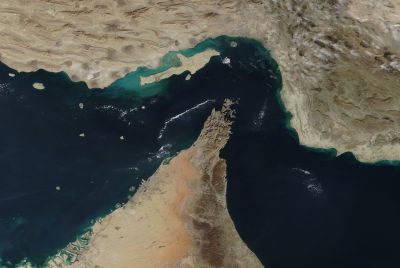
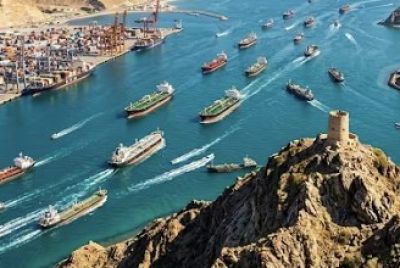
The U.S. described its actions as defensive, aimed at protecting troops and maintaining freedom of navigation in the critical waterway through which about one-fifth of global oil and gas shipments typically pass. Iran condemned the moves as violations of the ceasefire.
Background on the Ceasefire and Negotiations
The fragile truce took effect in early April 2026 following months of escalation that began with direct exchanges between Israel, the United States and Iran. Iran had closed the Strait of Hormuz, disrupting global energy markets and triggering economic ripple effects worldwide.
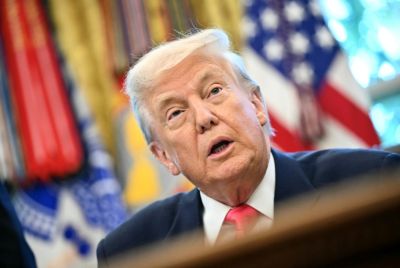
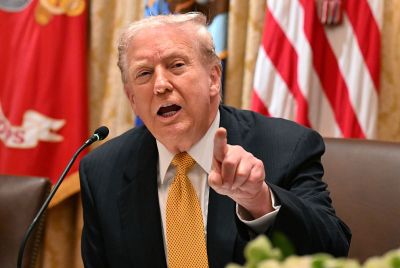
President Donald Trump addressed the situation on Wednesday, signaling no rush to conclude negotiations. "They thought they were gonna outwait me. You know, 'We'll outwait him. He's got the midterms.' I don't care about the midterms," Trump said during a cabinet meeting.
The White House has dismissed Iranian characterizations of a potential memorandum of understanding that would involve lifting aspects of the U.S. blockade in exchange for reopening the strait. Trump has emphasized that Iran must meet firm conditions, including constraints on its nuclear program, without expecting sanctions relief in return for surrendering enriched uranium stockpiles.
U.S. strikes this week marked the second set of American actions against Iranian targets near the strait. Iran had earlier fired warning shots at vessels attempting to transit the area, according to state-linked media.
Escalation in Lebanon
Simultaneously, Israel conducted fresh strikes on Hezbollah positions in southern Lebanon, including areas around Tyre and a reported deadly missile strike on an apartment building in Sidon, the country's third-largest city. The Israeli military described the operations as targeting Hezbollah infrastructure north of its occupied zones.
Lebanese authorities reported intensified Israeli activity, with strikes across more than 150 sites in recent days. The ceasefire between Israel and Hezbollah, brokered last month, has faced near-daily violations. Health officials in Lebanon have tallied at least 3,269 deaths and 9,840 injuries in the broader conflict period.
These developments occur against a backdrop of over a million Lebanese displaced and ongoing humanitarian challenges in the region.
Market and Economic Impact
The renewed tensions sent oil prices higher and contributed to declines in Asian markets. In Australia, the S&P/ASX 200 closed at 8,592.9, down 124.8 points or 1.43 percent, with financials and materials sectors under pressure amid commodity and risk-off sentiment.
Global energy markets remain sensitive to any sustained disruption in the Strait of Hormuz. Analysts note that prolonged uncertainty could exacerbate inflationary pressures and affect growth forecasts in import-dependent economies.
Diplomatic Efforts Continue
Despite the exchanges, both sides have indicated that talks persist, with mediators involved in efforts to stabilize the situation. U.S. officials have framed recent military actions as limited and within the bounds of self-defense to deter further Iranian provocations, such as drone launches and mining attempts.
Iran has described the U.S. strikes as a "gross violation" while maintaining preparedness to respond. Progress toward a comprehensive agreement has been described as incremental, with sticking points including control of the strait and nuclear safeguards.
International observers caution that miscalculations could quickly escalate the situation beyond the current tit-for-tat pattern. Kuwait's interception of projectiles underscores the risk of spillover to neighboring Gulf states.
Regional Dynamics
The conflict web extends beyond bilateral U.S.-Iran tensions. Hezbollah, backed by Iran, has continued low-level engagements with Israeli forces despite the nominal ceasefire. Israel's operations in Lebanon aim to degrade militant capabilities, according to its statements, but have drawn criticism for civilian impacts.
Broader West Asian dynamics involve multiple actors, including concerns over Iranian missile capabilities and proxy networks. CNN analysis has highlighted Iran's efforts to disperse and protect its missile arsenal amid ongoing threats.
Outlook and Risks
The coming days will test diplomatic channels as negotiators seek to prevent further erosion of the ceasefire. Markets will watch closely for any signs of de-escalation or renewed disruption to energy flows.
President Trump's stance suggests a preference for strength in negotiations, avoiding concessions driven by short-term political calendars. However, sustained high energy prices could increase domestic pressures regardless of electoral timelines.
For residents in affected areas and global supply chains, the uncertainty translates into heightened alertness. Shipping companies have rerouted vessels, adding costs to international trade.
Analysts tracking the 2026 Iran-related conflict note its significant economic toll, with estimates of substantial costs to involved militaries and disruptions to global commerce.
As Thursday unfolded, officials on all sides urged restraint while preparing for potential further exchanges. The interplay between military actions and diplomatic talks underscores the complexity of untangling the current standoff.
The situation remains fluid, with overnight developments likely to shape Friday's outlook in both conflict zones and financial centers. International calls for renewed focus on negotiations have grown, emphasizing the need to reopen vital waterways and reduce humanitarian suffering.
This episode highlights the precarious balance in the region, where localized strikes can carry outsized implications for global security and economic stability. Continued monitoring by major powers and regional actors will be essential to prevent a return to full-scale confrontation.
© Copyright 2026 IBTimes AU. All rights reserved.
- Recommended For You