Oil Prices Surge Past $100 as Trump Announces Hormuz Blockade Amid Fragile Iran Ceasefire
NEW YORK — Global oil prices jumped sharply Monday as President Donald Trump ordered a U.S. naval blockade of the Strait of Hormuz, reigniting fears of prolonged supply disruptions in the world's most critical energy chokepoint. Brent crude, the international benchmark, climbed more than 7% to trade near $102 per barrel in early trading, while West Texas Intermediate (WTI) crude rose above $104, erasing much of last week's post-ceasefire declines.

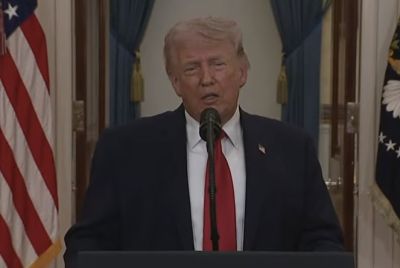
The surge comes just days after a fragile two-week ceasefire between the United States and Iran appeared to falter. High-level talks in Islamabad collapsed without agreement, prompting Trump's announcement that the Navy would begin intercepting vessels attempting to enter or leave the strait effective Monday morning. The move has sent shockwaves through energy markets already battered by more than a month of conflict in the Middle East.
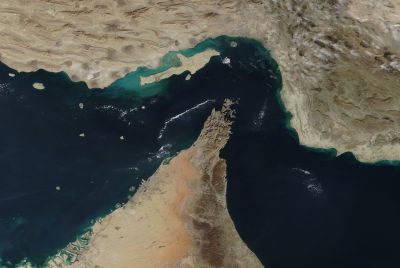
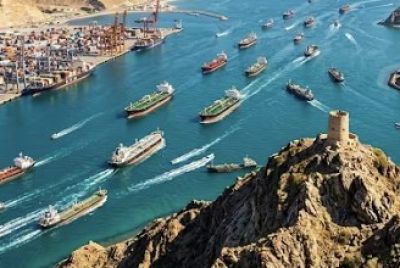
The Strait of Hormuz, which normally carries about one-fifth of global oil supplies — roughly 20-21 million barrels per day — has been severely restricted since Iran began limiting traffic in early March 2026 following U.S. and Israeli strikes. Shipping has slowed to a trickle, with hundreds of tankers idled and insurance rates skyrocketing. Even the ceasefire announcement on April 8 triggered only a temporary relief, as actual flows remained limited and implementation disputes quickly emerged.
Analysts say the latest escalation could push prices even higher if the blockade persists. Some forecasts now warn of Brent crude reaching $150 or more if disruptions extend into May or June, potentially triggering global inflation, slower economic growth and fuel shortages in import-dependent nations across Asia and Europe.
Before the current crisis, oil prices hovered in the $60-$70 range in early 2026. The outbreak of conflict in late February sent Brent surging past $120 at peaks, with daily gains of 10% or more on days of heightened tensions. Prices moderated somewhat after the ceasefire news, dropping as much as 15-17% in a single session to the low $90s, but skepticism over Iran's willingness to allow free passage kept a floor under the market. Monday's developments reversed those gains rapidly.
The International Energy Agency has described the Hormuz disruptions as the largest oil supply shock in history. Roughly 10% or more of worldwide production has been effectively offline at times, with damage to Iranian infrastructure and uncertainty over Gulf exports compounding the issue. Restarting shut-in wells and damaged facilities could take months even if safe transit is restored, according to energy executives and analysts.
OPEC+ members, including Saudi Arabia and Russia, have responded with modest production adjustments. In early April, the group agreed to increase output by 206,000 barrels per day starting in May as part of a gradual unwinding of prior voluntary cuts. However, that incremental boost is dwarfed by the scale of current losses through Hormuz, offering little immediate relief to tight physical markets.
U.S. officials insist the blockade aims to restore freedom of navigation rather than fully halt traffic. Non-Iranian ports and compliant vessels may still transit under U.S. Navy escort, but the policy effectively targets Iranian-controlled movements and any payments of disputed tolls demanded by Tehran. Iran has vowed a strong response, with the Islamic Revolutionary Guard Corps claiming the strait remains under its influence.
The Brent-WTI spread has widened dramatically during the crisis, reaching as high as $25 per barrel in late March. Brent has been more exposed to shipping risks and reduced flows from the Persian Gulf, while strong U.S. inventories and potential releases from the Strategic Petroleum Reserve have helped cap WTI gains at times. As of Monday, the spread remained elevated amid ongoing uncertainty.
Global economic ripple effects are already visible. Gasoline prices in the United States have climbed steadily, with some regions seeing averages approach or exceed $4 per gallon. In Europe and Asia, higher energy costs are feeding into broader inflation concerns and prompting calls for conservation measures. Airlines and shipping companies have passed on fuel surcharges, while manufacturers warn of rising input costs that could slow production.
Emerging markets heavily reliant on imported oil, such as India and parts of Southeast Asia, face particular strain. Some countries have begun rationing or drawing down strategic reserves. China, a major buyer of Iranian crude before the conflict, has urged all parties to ensure secure shipping lanes while quietly seeking alternative supplies from Russia and elsewhere.
Wall Street and commodity traders remain on edge. Futures markets show significant volatility, with options pricing reflecting heightened fears of further escalation. Goldman Sachs and other banks have revised forecasts upward, noting that even a partial reopening of Hormuz might not bring quick relief due to logistical bottlenecks, mine-clearing needs and damaged infrastructure.
The conflict's origins trace to late February U.S. and Israeli military actions against Iranian targets, including nuclear and missile sites. Iran retaliated with missile strikes and by restricting Hormuz traffic, declaring the waterway hazardous and imposing high fees on passing vessels. The assassination of Supreme Leader Ali Khamenei and subsequent power transition added layers of unpredictability to Tehran's responses.
A brief period of de-escalation followed intense diplomacy, but underlying issues — sanctions relief, nuclear concerns and regional proxy conflicts — remain unresolved. Israel's continued operations in Lebanon have further complicated ceasefire efforts, with Iran citing them as justification for maintaining controls on shipping.
For American consumers, the pain at the pump is a tangible reminder of distant geopolitics. Energy Secretary Chris Wright has emphasized efforts to boost domestic production and explore short-term waivers, but officials acknowledge that global markets mean U.S. prices cannot be fully insulated.
Longer-term, the crisis highlights the world's continued vulnerability to Middle East energy chokepoints despite years of diversification efforts, shale growth and renewable energy advances. Analysts note that while U.S. production remains robust, the integrated nature of oil trading means disruptions anywhere affect prices everywhere.
Looking ahead, markets will watch closely for any signs of renewed diplomacy or military developments in the strait. The current ceasefire window expires around April 22, adding urgency to backchannel talks. If the U.S. Navy successfully escorts tankers and clears threats, prices could moderate, but repeated false starts have left traders wary.
In the meantime, OPEC+ faces pressure to do more, though its spare capacity is limited after years of management. Non-OPEC producers like Brazil and Guyana are ramping up, but their output increases cannot instantly offset Gulf losses.
Monday's price action underscores how quickly sentiment can shift in energy markets. From the sharp selloff after ceasefire news to the renewed surge on blockade threats, volatility has become the new normal. For now, the world is paying a premium for every barrel that makes it to market — or doesn't.
Economists warn that sustained prices above $100 could shave tenths of a percentage point off global GDP growth while adding to inflation. Central banks are monitoring closely, with some already signaling potential policy adjustments if energy costs remain elevated.
As tanker tracking data showed minimal movements through Hormuz early Monday, the human and economic costs of the standoff continue to mount. Families in oil-producing and consuming nations alike feel the impact through higher costs for transportation, heating and everyday goods.
The coming weeks will determine whether military pressure or renewed negotiations can restore flows through this narrow stretch of water. Until then, oil markets — and the global economy they fuel — remain on high alert.
© Copyright 2026 IBTimes AU. All rights reserved.
- Recommended For You