China Slams US Hormuz Blockade as Dangerous While Sanctioned Tankers Slip Through Amid Fragile Ceasefire
BEIJING — China has sharply criticized the U.S. naval blockade of Iranian ports and the Strait of Hormuz as a "dangerous and irresponsible" escalation that threatens global energy security and undermines a fragile ceasefire, even as Chinese-owned tankers continue to transit the vital waterway in apparent defiance of American restrictions.

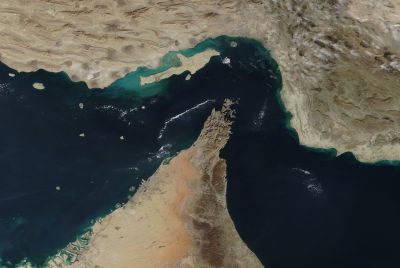
The rhetoric from Beijing intensified this week as the United States enforced the blockade ordered by President Donald Trump following the collapse of peace talks with Tehran. Launched around April 13, the operation aims to choke Iran's oil exports and economic lifeline after Iran attempted to close the strait earlier in the 2026 conflict. The narrow chokepoint carries roughly one-fifth of global oil supplies, with China historically purchasing up to 90-95% of Iran's seaborne crude.
Chinese Foreign Ministry spokesperson Guo Jiakun described the U.S. action Tuesday as one that would "only aggravate confrontation, escalate tension, undermine the already fragile ceasefire and further jeopardize safe passage through the Strait of Hormuz." Beijing has repeatedly urged both Washington and Tehran to honor ceasefire arrangements and pursue diplomatic solutions, warning that military measures serve no common international interest.
Despite the strong words, shipping data showed limited immediate disruption. On the first full day of the blockade, at least eight vessels—including a U.S.-sanctioned Chinese-owned tanker operated by Shanghai Xuanrun Shipping Co.—successfully crossed the strait. The tanker, with a Chinese crew, had loaded cargo in the UAE's Hamriyah port before proceeding. U.S. Central Command claimed several ships were turned around, but industry trackers reported traffic remained far below pre-war levels yet not fully halted.
Analysts noted Iran had earlier signaled it would allow Chinese vessels preferential passage due to Beijing's longstanding support for Tehran. Reports from March detailed Chinese-flagged or owned ships, such as the bulk carrier Iron Maiden and Sino Ocean, broadcasting their nationality to transit safely. A Hong Kong-flagged oil tanker also passed through this week, testing the limits of the U.S. operation.
The blockade forms part of broader U.S. efforts to pressure Iran economically after a conflict that erupted in late February 2026. Trump administration officials, including Defense Secretary Pete Hegseth and Joint Chiefs Chairman Gen. Dan Caine, have briefed on the operation's progress, stating it uses less than 10% of U.S. naval power while turning back multiple Iran-linked tankers. Pentagon updates indicated 10 to 13 ships were redirected in initial days.
For China, the stakes are high. Roughly one-third of its crude oil imports flow through the Persian Gulf region, and disruptions compound existing energy pressures from the war. Beijing has drawn on strategic reserves and diversified sourcing, including increased purchases of U.S. crude in some periods, but analysts say prolonged restrictions could strain supplies and raise domestic fuel costs. Queues at gas stations have appeared in parts of China amid the uncertainty.
Yet some observers argue the blockade may inadvertently benefit Beijing strategically. By challenging established maritime norms under the guise of national security, the U.S. action could provide China with precedent for future assertiveness in the South China Sea or around Taiwan. Chinese President Xi Jinping, speaking with UAE officials, warned against reverting to "the law of the jungle," framing the blockade as destabilizing while positioning China as a defender of international order.
Chinese Defense Minister Admiral Dong Jun has emphasized Beijing's separate trade and energy agreements with Iran, stating the strait remains open for Chinese shipping and warning others not to interfere. This stance underscores China's reluctance to fully align with U.S. pressure while avoiding direct military confrontation.
The situation has tested China's restraint. As Iran's largest trading partner and a key buyer of its oil, Beijing has influence but limited leverage to force concessions from Tehran. Analysts suggest China prefers a hands-off approach, wary of entanglement in a conflict it did not start and mindful of its own bilateral ties. Diplomatic channels remain active, with China calling for de-escalation and a comprehensive ceasefire.
Global markets have reacted with volatility. Oil prices eased somewhat this week on ceasefire hopes and reports of continued tanker movements, providing relief to airlines, manufacturers and consumers. However, war-risk insurance premiums for vessels in the region remain elevated, with policies reviewed every 48 hours. Broader economic ripple effects include higher shipping costs and potential inflation in energy-dependent economies.
The Strait of Hormuz crisis has also highlighted shifting great-power dynamics. While the U.S. projects naval dominance with a relatively light footprint, China's economic interdependence with Iran creates a complex web. Some commentators describe the blockade as an indirect energy squeeze on Beijing, executed through Tehran, amid broader U.S.-China tensions including tariff threats.
Traffic data indicates the blockade has reduced but not eliminated flows. Pre-conflict volumes were already impacted by the war; current levels reflect cautious navigation by shippers. Exceptions appear for vessels signaling Chinese ownership or neutral flags, complicating enforcement.
In Washington, officials maintain the operation targets Iran's ability to fund conflict through oil revenue while allowing neutral commercial traffic. Trump has claimed the move ultimately benefits China and the world by reopening secure passage, though Beijing rejects that framing.
Looking ahead, the fragile ceasefire—now in its second or third week depending on exact timelines—faces tests as both sides maneuver. Diplomatic efforts continue, with potential extensions or talks involving Gulf states, Russia and others. China has joined calls for political resolution, emphasizing that only a lasting ceasefire can restore safe navigation.
For everyday consumers, the standoff translates to uncertainty at the pump and in supply chains. Energy analysts warn that any resumption of full hostilities or stricter enforcement could spike prices again, affecting everything from gasoline to manufactured goods.
China's response balances criticism with pragmatism. While denouncing the blockade, Beijing has not escalated militarily, focusing instead on rhetoric and quiet facilitation of its own energy flows. This measured approach reflects strategic patience but also highlights limits in its ability—or willingness—to shield Iran fully.
The episode adds another layer to U.S.-China rivalry. With a potential Trump-Xi summit approaching, the Hormuz situation risks becoming a flashpoint, even as both sides appear to prioritize avoiding direct clash in the Gulf.
Shipping experts note the precedent of "tanker diplomacy," where flagged or owned vessels test boundaries. The successful passages of Chinese-linked ships suggest tacit understandings or calculated risks that keep oil moving despite restrictions.
As the situation evolves, Beijing continues monitoring developments closely. Its foreign ministry has reiterated that disruptions stem from the underlying conflict and that dialogue offers the only sustainable path forward.
The Strait of Hormuz remains a global vulnerability where energy, geopolitics and great-power competition intersect. China's vocal opposition to the U.S. blockade underscores its stake in stable maritime routes, while its practical navigation of the crisis reveals the complexities of modern alliances and economic realities.
Whether the ceasefire holds and the blockade eases will shape not only Middle East stability but also energy markets and international norms for years to come. For now, Chinese tankers slipping through the strait amid diplomatic fireworks illustrate the high-stakes balancing act underway in one of the world's most critical waterways.
© Copyright 2026 IBTimes AU. All rights reserved.
- Recommended For You