US-Iran Clashes Erupt in Strait of Hormuz as Trump's 'Project Freedom' Tests Fragile Ceasefire

DUBAI, United Arab Emirates — U.S. and Iranian forces exchanged fire in the Strait of Hormuz on Monday as Washington launched an ambitious operation to escort stranded commercial vessels through the vital waterway, testing a shaky ceasefire and sending oil prices surging toward four-year highs.
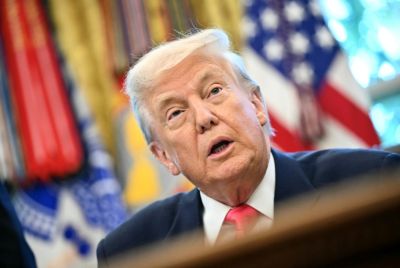
President Donald Trump announced "Project Freedom" on Sunday, directing U.S. military assets to guide ships trapped in the Persian Gulf since Iran largely closed the strait earlier in the conflict. By Monday afternoon, U.S. Central Command reported that two American-flagged merchant vessels had successfully transited the narrow passage, but not without incident.
Adm. Brad Cooper, commander of U.S. Central Command, said American forces sank at least six Iranian small boats attempting to interfere with commercial shipping. Iran launched cruise missiles, drones and other attacks targeting vessels under U.S. protection, he added. All threats were neutralized, according to the military.
The clashes come amid broader strains on a ceasefire that took hold in early April after months of U.S.-Israeli strikes on Iran and Iranian retaliation that included blocking the strait. Iran has denied full control claims while accusing the U.S. of aggression, and reports emerged of Iranian strikes on targets in the United Arab Emirates.
Strategic Chokepoint Under Siege
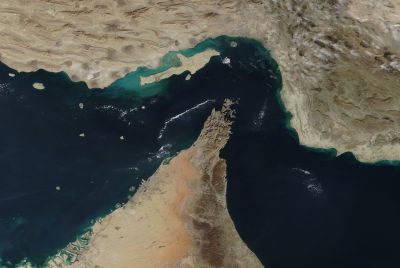
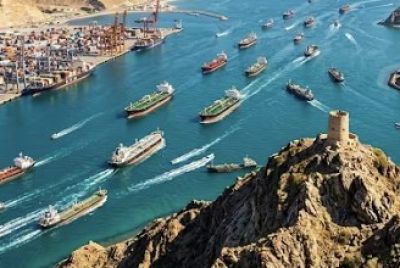
The Strait of Hormuz, a narrow passage between the Persian Gulf and the Gulf of Oman, handles about 20% of global oil shipments and significant liquefied natural gas volumes under normal conditions. Roughly 125 to 140 vessels typically transit daily in peacetime. Traffic has plummeted to a fraction of that since fighting intensified, stranding an estimated 2,000 ships and up to 20,000 seafarers.
Iran has used the strait as leverage, imposing restrictions, charging high tolls on some vessels and selectively allowing passage for allies such as China and India. The U.S. responded with its own naval blockade on Iranian shipping starting in mid-April, turning back dozens of vessels.
On Monday, Iran's navy claimed it prevented U.S. warships from entering the strait with warning shots, while semi-official media reported missile strikes on a U.S. vessel near the southern entrance. U.S. officials denied any warship was hit.
Oil Markets React Sharply
Brent crude futures jumped nearly 6% on Monday, trading above $114 per barrel at peaks — the highest since mid-2022 — before easing slightly. The surge reflects fears of prolonged disruption to Middle East energy flows at a time when global supplies are already tight.
Energy analysts warned that sustained closure or heightened risk in the strait could push prices even higher, rippling through gasoline costs worldwide and complicating economic recoveries. Major importers in Asia and Europe are scrambling for alternative supplies, though rerouting adds significant time and expense.
Broader Regional Fallout
The United Arab Emirates reported Iranian attacks on its territory, including a fire at the oil port of Fujairah. Oman also saw incidents along its coastline near the strait. These developments raise questions about the durability of the ceasefire negotiated in recent weeks.
Tehran has not fully confirmed or denied the latest strikes but maintains it retains capabilities to disrupt shipping. Iranian officials have warned of further retaliation if U.S. forces continue operations in what they consider their territorial waters.
The International Maritime Organization and maritime unions have expressed deep concern for seafarer safety. Insurers have grown reluctant to cover vessels in the area, driving up premiums or leading to outright denials of coverage. Thousands of crew members remain stuck aboard immobilized ships with dwindling supplies.
Trump Administration's Strategy
Project Freedom marks a bold escalation in U.S. efforts to restore freedom of navigation. Trump described the mission as essential to preventing a global energy crisis and protecting commercial interests. U.S. naval assets, including destroyers and helicopters, are providing escort and mine-clearance support.
Military officials emphasized that operations aim to create safe corridors rather than engage in full-scale combat. However, the presence of Iranian Revolutionary Guard boats and potential mines adds significant risk. At least seven Iranian fast boats were reportedly destroyed or disabled in Monday's skirmishes.
Critics worry the initiative could draw the U.S. deeper into direct confrontation, while supporters argue that allowing Iran to control the strait sets a dangerous precedent for international waterways.
Economic and Diplomatic Ripples
The crisis has already disrupted global supply chains. Qatar declared force majeure on some LNG exports, and petrochemical facilities in the region have faced operational halts. Asian buyers, heavily reliant on Gulf crude, are turning to higher-cost sources from the U.S., Latin America and West Africa.
Diplomatically, efforts continue behind the scenes. Mediators from Oman, Qatar and others are pushing for renewed talks, but trust remains low. A second round of discussions in Islamabad has been floated but not confirmed.
The United Nations has called for de-escalation, highlighting the humanitarian impact on mariners and the risk to global energy security. Shipping associations urge both sides to prioritize safe passage for civilian vessels.
Historical Context and Risks
The Strait of Hormuz has long been a flashpoint. Iran has threatened closure during past tensions, though never fully sustained it until the current conflict. Previous incidents involved mine-laying and tanker attacks in the 1980s "Tanker War."
Today's environment is more complex, with drones, precision missiles and cyber elements adding layers of danger. Experts caution that miscalculation could rapidly expand the conflict beyond the waterway.
U.S. Treasury officials have warned shipping companies against paying Iranian tolls, threatening sanctions. This further complicates commercial decisions for operators caught between competing demands.
Looking Ahead
As operations continue, markets will watch closely for signs of sustained safe passage or renewed escalation. Any successful transits under U.S. escort could ease pressure on oil prices, while further attacks might trigger panic buying and broader economic fallout.
For the thousands of seafarers still stranded, every day brings heightened anxiety. Humanitarian corridors and coordinated international efforts may be needed if military actions fail to restore normal traffic quickly.
The situation in the Strait of Hormuz remains fluid, with global implications hanging in the balance. Diplomats, military commanders and energy executives are all racing against time to prevent a full-blown crisis from engulfing the region and beyond.
© Copyright 2026 IBTimes AU. All rights reserved.
- Recommended For You