Chaos in Strait of Hormuz: Tanker Attacked as US Denies Iran Hit Warship on Project Freedom Launch

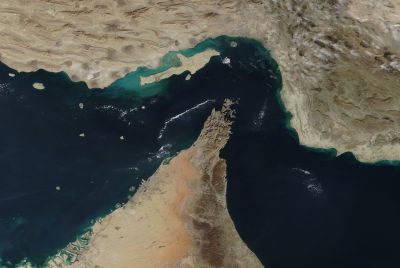
DUBAI, United Arab Emirates — Tensions erupted in the Strait of Hormuz on Monday as the United States launched "Project Freedom" to guide stranded commercial vessels through the vital waterway, only for conflicting claims of attacks to surface within hours. The UAE accused Iran of drone strikes on an oil tanker, while Iranian media alleged a missile hit on a U.S. warship — a claim swiftly denied by American forces.
U.S. Central Command confirmed two American-flagged merchant vessels successfully transited the strait as part of the operation announced by President Donald Trump. CENTCOM also reported guided-missile destroyers operating in the Gulf after passing through the waterway, emphasizing support for commercial shipping and enforcement of a naval blockade on Iranian ports.
"No U.S. Navy ships have been struck," CENTCOM stated on X. "U.S. forces are supporting Project Freedom and enforcing the naval blockade on Iranian ports."
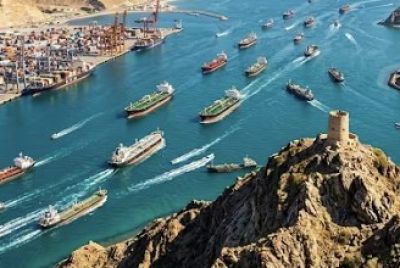
The operation aims to free dozens of tankers and cargo ships trapped in the Persian Gulf since the recent U.S.-Israeli conflict with Iran disrupted transit. Trump described the effort as a "humanitarian" move to assist vessels running low on supplies, deploying significant assets including over 100 aircraft, unmanned platforms and 15,000 personnel.
UAE Condemns Iranian Drone Attack on Tanker
The United Arab Emirates strongly condemned what it called an "Iranian terrorist attack" on a tanker linked to state-owned Abu Dhabi National Oil Company (ADNOC). The vessel was targeted by two Iranian drones while attempting to pass through the strait, according to the UAE Foreign Ministry. No injuries were reported.
Senior UAE official Anwar Gargash described the incident as "an act of maritime piracy." The attack occurred amid heightened alerts, marking the first missile alert in the UAE since an earlier ceasefire.
UK Maritime Trade Operations separately reported a tanker struck by unknown projectiles about 78 nautical miles north of Fujairah, UAE, with all crew safe. Another cargo ship faced assault by multiple small craft nearby.
Iranian Claims and U.S. Rebuttals
Iranian state media, including Fars news agency, claimed Iranian forces struck a U.S. Navy frigate with two missiles after it ignored warnings near Bandar-e-Jask. Tehran said it forced the warship to turn back and warned any foreign forces entering the strait would be targeted.
A senior Iranian official told Reuters a warning shot was fired. Iran's Islamic Revolutionary Guard Corps rejected U.S. assertions that commercial ships crossed the strait, calling them "baseless lies."
CENTCOM and U.S. officials firmly denied any damage or successful strike on American vessels. The denials came quickly after Iranian reports, underscoring a pattern of competing narratives in the volatile region.
Background on Project Freedom
Trump unveiled the initiative Sunday, pledging U.S. support to reopen the strait, a chokepoint carrying about 20% of global oil trade. Ships have been stranded for weeks due to Iranian threats and the broader conflict, disrupting energy markets and supply chains.
U.S. officials indicated the operation focuses on coordination and guidance rather than direct escorts for every merchant vessel in the initial phase. Destroyers and air assets provide overwatch. The move follows a fragile ceasefire, raising fears of renewed escalation.
Iran views the U.S. action as a violation of the truce and has threatened retaliation. Its military warned commercial vessels against uncoordinated movements.
Global and Economic Implications
The incidents sent oil prices spiking early Monday amid fears of prolonged disruption. Shipping companies expressed caution, with some rerouting vessels around Africa despite higher costs. Insurance rates for Gulf transit have surged.
International reaction was swift. Allies in the Gulf expressed support for freedom of navigation, while calls for de-escalation came from European capitals. The UK and others monitor the situation closely through maritime agencies.
Analysts warn that miscalculations in the narrow strait — just 21 miles wide at its narrowest — could trigger wider conflict. Historical incidents, including 2019 tanker attacks attributed to Iran, highlight the risks.
Regional Context and Ceasefire Fragility
The strait has been a flashpoint since the U.S.-Israeli campaign against Iranian nuclear and proxy assets. The ceasefire, reached in early April, appeared to hold tenuously until recent provocations. Project Freedom tests its limits.
Iran maintains it controls access and will defend its waters. The U.S. insists on upholding international norms for open maritime passage. Negotiations continue behind the scenes, with Trump hinting at possible "very positive" outcomes from indirect talks.
For crews on stranded ships, the operation brings hope but also danger. Seafarers have reported dwindling supplies and anxiety over potential attacks.
What's Next
U.S. forces plan continued operations to guide additional vessels in coming days. CENTCOM has not detailed exact numbers or timelines but stressed a phased approach. Iran's response could determine whether the first day's chaos escalates or stabilizes.
Diplomatic efforts intensify as the UN and regional players urge restraint. Markets and militaries worldwide watch closely, aware that events in the Strait of Hormuz ripple across the global economy.
As night fell Monday, reports of further incidents remained unconfirmed. Authorities urged vigilance, while shipping associations advised members to await official clearances before attempting transit.
The chaotic launch of Project Freedom underscores persistent volatility in U.S.-Iran relations and the high stakes for energy security. Whether Monday's dueling claims lead to diplomacy or deeper confrontation will shape the region's trajectory in the weeks ahead.
© Copyright 2026 IBTimes AU. All rights reserved.
- Recommended For You