Iran Recloses Strait of Hormuz, Fires on Ships in Escalating Standoff with US Blockade
DUBAI, United Arab Emirates — Iran declared the Strait of Hormuz fully closed again Saturday and its Revolutionary Guard forces opened fire on commercial vessels attempting to transit the vital waterway, dramatically escalating tensions just hours after both Tehran and Washington had proclaimed it open during a fragile ceasefire in the U.S.-Israeli conflict with Iran.

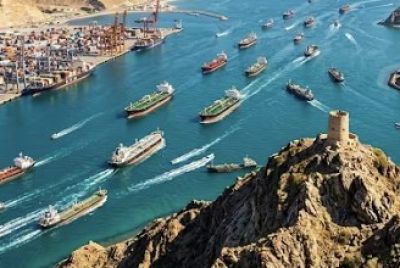
The reversal threatens to choke off roughly one-fifth of the world's oil supply and sends fresh shock waves through global energy markets already strained by weeks of fighting. Shipping firms scrambled to reroute vessels while oil prices, which had tumbled on Friday's reopening news, reversed course sharply.
Iran's Islamic Revolutionary Guard Corps navy announced late Saturday that the strait would remain shut until the United States lifts its naval blockade of Iranian ports. "No vessel should make any movement from its anchorage in the Persian Gulf and the Sea of Oman," the Guard warned in a statement carried by state media. "Approaching the Strait of Hormuz will be considered as cooperation with the enemy" and subject to targeting.
The announcement came less than 24 hours after Iran's foreign minister declared the narrow chokepoint "completely open" to commercial traffic as part of a two-week ceasefire brokered earlier this month. President Donald Trump had echoed the optimism, saying a deal with Tehran could be near. But Iran cited the ongoing U.S. blockade — imposed to pressure the regime economically — as a "breach of trust" that justified reimposing restrictions.
Maritime security reports confirmed chaos in the waters. The United Kingdom Maritime Trade Operations (UKMTO) said it received alerts that Iranian gunboats fired on a tanker about 20 miles north of Oman. A second vessel, a container ship, reported being hit by an unknown projectile. Crews on both ships were said to be safe, but at least one Indian-flagged oil tanker broadcast urgent radio pleas for the shooting to stop, according to audio circulating online and verified by multiple outlets.
India's government summoned Iran's ambassador in New Delhi over the incidents involving Indian vessels. Shipping trackers showed several ships that had begun moving toward the strait abruptly turning back Saturday as news of the gunfire spread.
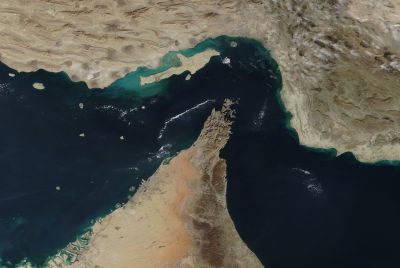
The Strait of Hormuz, a 21-mile-wide passage between Iran and Oman, serves as the only sea route out of the Persian Gulf. It carries about 21 million barrels of oil per day in normal times — roughly 20% of global consumption — along with liquefied natural gas from Qatar and other exporters. Even brief disruptions have historically sent fuel prices soaring worldwide.
Experts warned that restoring normal traffic could take months even if the strait reopens soon. Gene Seroka, executive director of the Port of Los Angeles, noted that supply chains disrupted by fear and rerouting do not snap back quickly. "It could still take 'months on end' before shipping returns to normal," he said.
The latest flare-up occurs with just days left before the current ceasefire expires. The truce, which included Israel, had offered a glimmer of hope for de-escalation after months of direct U.S. and Israeli strikes on Iranian targets that began in late February. Those operations damaged Iranian military and nuclear sites, killed senior figures and triggered Iranian retaliation with missiles and drones across the region.
Iran's new Supreme Leader Mojtaba Khamenei warned in a statement that the navy stood ready to inflict "new bitter defeats" on the U.S. and Israel. Parliamentary speaker Mohammad Bagher Ghalibaf had earlier signaled that continued blockade would mean the strait "will not remain open."
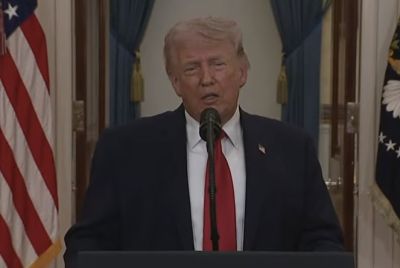
Trump, speaking from the White House, pushed back firmly. "We will not be blackmailed," he said, while expressing hope that negotiations could still yield a broader deal. U.S. officials have described the blockade as a necessary tool to halt Iranian oil exports and limit funding for proxy groups and military programs.
Global reactions poured in quickly. China, a major buyer of discounted Iranian and Russian oil amid the conflict, watched developments warily, analysts said. European leaders called for restraint to avoid another energy crisis. Gulf Arab states, many of which rely on the strait for their own exports, expressed private alarm even as they publicly urged calm.
Shipping companies have grown increasingly cautious. After Iran's brief Friday announcement that the strait was open, about 20 vessels tested the waters but many halted or reversed course when assurances of safety failed to materialize. Major insurers and protection and indemnity clubs advised members to avoid the area unless absolutely necessary.
The incidents mark the latest chapter in a pattern of Iranian threats and limited attacks on commercial shipping that began intensifying after the initial U.S.-Israeli strikes. Since late February, ship-tracking data show sharply reduced traffic through the strait — far below the pre-conflict average of around 100 vessels daily. At least 22 ships have been attacked in or near the waterway since the war escalated, according to compiled figures from Kpler and other monitors.
Iran has long viewed the strait as a strategic card. In past crises it has threatened closure, though it has rarely followed through completely because its own oil exports depend on the route. This time, however, the combination of active warfare, a U.S. blockade and a shaky ceasefire has created a more volatile mix.
Economic ripple effects are already visible. Iran itself is losing an estimated $435 million per day from restricted oil sales and port activity, according to some analyses. Yet Tehran appears willing to absorb the pain to force Washington to ease pressure.
For Asian economies heavily dependent on Gulf oil — including Japan, South Korea, India and China — any prolonged closure risks higher fuel costs, inflation and slowed growth. European nations, still recovering from earlier energy shocks, face similar concerns even if they import less directly from the region.
As night fell Saturday, the situation remained fluid. Conflicting claims flew between Iranian state media, U.S. officials and international maritime agencies. No immediate casualties were reported from the gunfire, but the psychological impact on mariners was clear: fear of becoming collateral damage in a superpower standoff.
Diplomats from multiple countries worked behind the scenes to prevent the ceasefire from collapsing entirely. With the clock ticking, the coming days will test whether threats over the Strait of Hormuz can be turned into leverage for a lasting agreement — or whether they will drag the region back into open conflict.
Analysts caution that miscalculation remains a real danger. Small, fast Revolutionary Guard "mosquito boats" have proven effective at harassing larger vessels, while the narrow geography of the strait leaves little room for error. Any escalation involving U.S. naval forces could quickly broaden the fight.
For now, the world's energy arteries are constricted once more. Tankers idle at anchor, markets jitter and leaders on all sides weigh the high stakes of a waterway that, for decades, has symbolized both global interdependence and geopolitical vulnerability.
© Copyright 2026 IBTimes AU. All rights reserved.
- Recommended For You