Iran Offers to Reopen Strait of Hormuz if US Ends Blockade and War, Officials Say
CAIRO — Iran has proposed ending its chokehold on the Strait of Hormuz in exchange for the United States lifting its naval blockade and agreeing to a permanent end to the ongoing war, two regional officials with knowledge of the offer said Monday, as Tehran's foreign minister visited Moscow amid stalled peace efforts.

The new proposal, conveyed to the White House through Pakistani mediators, would delay talks on Iran's nuclear program until after a ceasefire is solidified and the critical waterway is reopened to international shipping, the officials told The Associated Press on condition of anonymity because the negotiations are private.
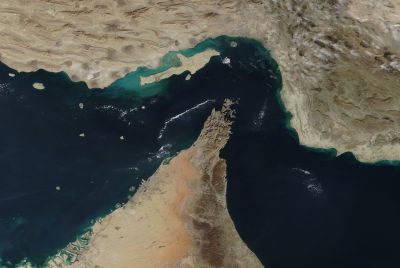
The Strait of Hormuz, a narrow chokepoint at the mouth of the Persian Gulf, handles about one-fifth of the world's traded oil and liquefied natural gas. Iran's restrictions on the waterway, combined with the U.S. blockade of Iranian ports, have severely disrupted global energy markets and driven oil prices higher since the conflict escalated earlier this year.
Iranian Foreign Minister Abbas Araghchi, who was in Russia on Monday for consultations, described the visit as an opportunity to coordinate with Moscow on ending the war with Israel and the United States. Iranian officials have repeatedly said the strait will remain closed as long as the U.S. maintains its blockade, calling it a violation of the fragile ceasefire.
U.S. Position Remains Firm
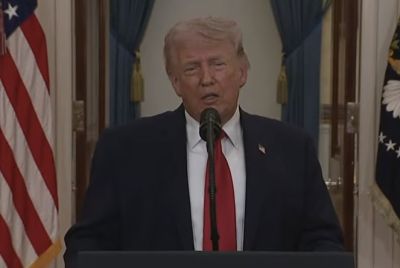
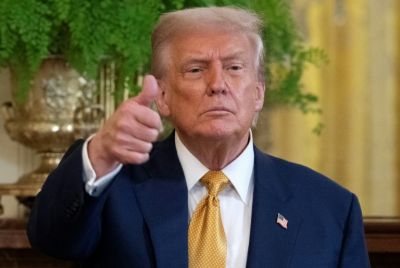
President Donald Trump has insisted that any deal to reopen the strait must include concrete steps to dismantle Iran's nuclear program. In recent statements, Trump has described the current situation as unsustainable and warned that prolonged closure of the strait would have devastating economic consequences worldwide.
White House officials familiar with the proposal expressed skepticism that the U.S. would accept terms that defer nuclear discussions. Trump has repeatedly said Iran will not be allowed to develop nuclear weapons and has highlighted the success of U.S. sanctions, which he claims are costing Iran hundreds of millions of dollars daily.
The proposal comes as Pakistan-mediated talks between Washington and Tehran have stalled. A temporary ceasefire in Lebanon provided a brief window for diplomacy, but deep disagreements over the nuclear issue and the blockade have prevented a broader agreement.
Economic Toll Mounts
The dual restrictions on the strait have created a maritime standoff that has reduced oil flows and driven up global energy prices. Shipping companies have largely avoided the area due to insurance risks, drone threats and Iranian toll demands on passing vessels. Some Iranian oil has continued to move through shadow fleet operations, but overall volumes are significantly lower.
Oil prices rose modestly Monday on the news of the Iranian proposal but remain volatile. Energy analysts warn that a prolonged closure could push crude above $120 per barrel, triggering broader inflation and economic pain worldwide.
Human and Regional Impact
The standoff has affected millions beyond energy markets. Fishermen in the Persian Gulf have seen their livelihoods disrupted, while countries dependent on Gulf oil imports — including major Asian economies — face higher costs and supply uncertainty. Regional allies on both sides have expressed concern about escalation.
Iranian officials have accused the U.S. of "piracy" through its blockade, while Washington maintains it is a necessary response to Iranian aggression and attempts to control the vital waterway. Both sides have seized vessels in recent weeks, raising fears of miscalculation leading to direct naval confrontation.
Path Forward Unclear
The latest Iranian offer separates the immediate humanitarian and economic issue of reopening the strait from the long-term security question of its nuclear program. Pakistani diplomats, who have served as intermediaries, are expected to continue shuttling proposals between the two sides in the coming days.
U.S. officials have not publicly responded to the specific terms but have reiterated Trump's demand for a comprehensive deal that addresses Tehran's nuclear ambitions, regional proxies and ballistic missile program.
Analysts say the proposal reflects Iran's growing economic pressure from sanctions and the blockade, while also testing the Trump administration's willingness to prioritize energy market stability over its maximum-pressure strategy.
As talks continue behind the scenes, the world watches the narrow 21-mile-wide strait — one of the most strategically vital waterways on the planet — where any misstep could send shockwaves through the global economy. For now, the dual blockade remains in place, ships stay away, and diplomats search for a breakthrough that could ease one of the most dangerous standoffs in recent memory.
© Copyright 2026 IBTimes AU. All rights reserved.
- Recommended For You