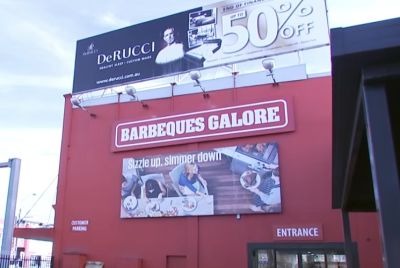
(VIDEO) Barbeques Galore to Close 62 Stores and Cut Hundreds of Jobs as Aussie Retail Icon Winds Up Operations
Beloved Australian retailer Barbeques Galore winds up operations, impacting hundreds of jobs after a failed rescue deal.
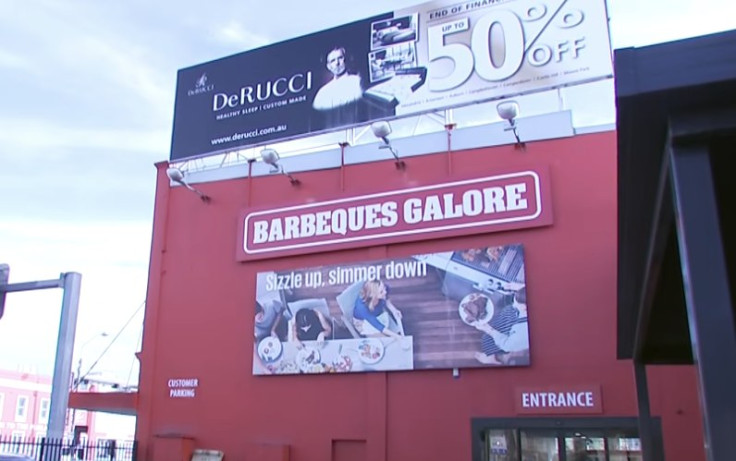
SYDNEY — Barbeques Galore, a beloved Australian retailer specializing in barbecues, outdoor furniture and heating products since the 1970s, will shutter 62 company-owned stores and wind up operations in the coming weeks after a last-ditch rescue deal collapsed, putting hundreds of workers at risk of redundancy and marking the end for an iconic brand.
The company, which entered voluntary administration in February 2026 with around 89 stores and 500 employees, announced Tuesday that efforts to find a buyer or complete a recapitalization had failed. Receivers will now oversee the closure of company stores while exploring transitional arrangements for 27 franchise outlets.
Administrators and receivers from Grant Thornton and Ankura had pursued a sale process and a conditional recapitalization proposal from secured creditor Gordon Brothers. However, negotiations with landlords, suppliers and other parties could not reach acceptable commercial terms, leading to the decision to wind up the business.
"This is a tragic final chapter for an iconic Australian retail brand," said Roger Montgomery of The Montgomery Fund. "If you can't sell barbecues to Aussies, who can you sell to?"
Founded in the 1970s by Max Mason, Barbeques Galore grew into a household name, offering a wide range of outdoor living products. At the time of administration in mid-February, the group operated 68 company-owned stores and 27 franchised locations. Five underperforming stores had already closed during the process.
The collapse reflects broader pressures on Australian retail, including high inflation, cost-of-living challenges, shifting consumer preferences toward apartments with smaller outdoor spaces, and a post-budget slowdown in spending. Liquidity issues persisted despite earlier ownership changes, including a 2025 transition involving private equity and Gordon Brothers.
Staff will continue to be employed during the receivership process or receive redundancy as stores wind down. Receivers stated that all employees will be paid their full accrued redundancies and termination payments in the ordinary course of separation. The company employed approximately 500 people at the start of administration.
Customers holding gift cards can redeem them until June 30 under specific conditions. For every $1 of gift card value used, shoppers must spend an additional $2 of their own money. Unredeemed cards after the deadline will be treated as unsecured creditors. The arrangement, first announced in February, aims to facilitate orderly wind-down while providing some value to holders.
The failed Gordon Brothers proposal had offered a potential path to keep the business operating as a going concern via a deed of company arrangement. It was viewed as the best outcome for stakeholders, including employees, landlords and suppliers, but ultimately could not proceed.
Receivers noted that a formal sale process attracted interest but yielded no offers capable of acceptance or implementation by late May. The combination of challenging economic conditions and difficulties securing ongoing trading terms sealed the fate of the company-owned operations.
Franchise stores face uncertainty, with receivers working through transitional arrangements. The future of those outlets and associated employees remains unclear as the broader group winds up.
The news comes amid a tough retail environment in Australia. Analysts point to structural shifts, including reduced demand for large outdoor items as more people live in high-density housing, alongside macroeconomic headwinds like rising costs and cautious consumer spending.
Barbeques Galore had attempted to adapt through ownership changes and operational reviews, but persistent liquidity challenges proved insurmountable. CEO David White, who stepped into the role late last year, had expressed optimism during earlier restructuring talks about building on the brand's market position.
For suppliers and landlords, the wind-up will involve asset sales and stock liquidation. The amount creditors ultimately recover will depend on the outcomes of these processes. Receivers remain in control and will continue exploring any remaining sale opportunities for assets.
The case highlights vulnerabilities in specialty retail. Barbeques Galore's focus on seasonal and big-ticket items made it particularly susceptible to economic cycles. Similar pressures have affected other Australian chains in recent years, prompting calls for greater support for small and medium businesses.
Customers are encouraged to use remaining gift cards promptly. In-store and online operations for company stores will continue during the sell-through period before closures accelerate. The exact timeline for individual store shutdowns will be communicated as the process unfolds.
Industry observers describe the outcome as disappointing for a brand with deep roots in Australian culture. Barbeques symbolize backyard gatherings and outdoor lifestyle, elements long central to national identity. The closure of dozens of stores will leave gaps in communities where the retailer served as a go-to destination.
As the wind-up proceeds, attention turns to the human impact. Hundreds of employees, many with long tenures, face job losses at a time when the labor market shows signs of softening in retail sectors. Support services for affected workers are expected through standard redundancy processes and government programs.
The failure also underscores challenges in retail restructuring. Even with creditor backing for a recapitalization, securing buy-in from multiple stakeholders proved difficult amid tight margins and uncertain trading conditions.
Looking ahead, the 27 franchise stores may seek independent paths or potential buyers. Receivers will provide updates as developments occur. For the broader retail sector, the episode serves as a cautionary tale about adapting to evolving consumer behaviors and economic realities.
Barbeques Galore's story began decades ago with a focus on quality barbecues and outdoor essentials. While the company-owned operations conclude, the brand's legacy in Australian shopping may endure through remaining franchises or potential asset acquisitions. For now, the immediate focus remains on an orderly closure that honors employee entitlements and customer commitments where possible.
© Copyright 2026 IBTimes AU. All rights reserved.
- Recommended For You