CBA Plunges 10.4% in Record $25 Billion Wipeout as Bad Debts and Budget Tax Changes Hammer ASX Banks
SYDNEY — Commonwealth Bank of Australia shares crashed more than 10 percent Wednesday, closing at $153.67 after shedding $17.90 in one of the largest single-day value losses in Australian corporate history, wiping out roughly $25 billion in market capitalization as investors reacted harshly to disappointing quarterly results and looming pressure from federal budget tax reforms.
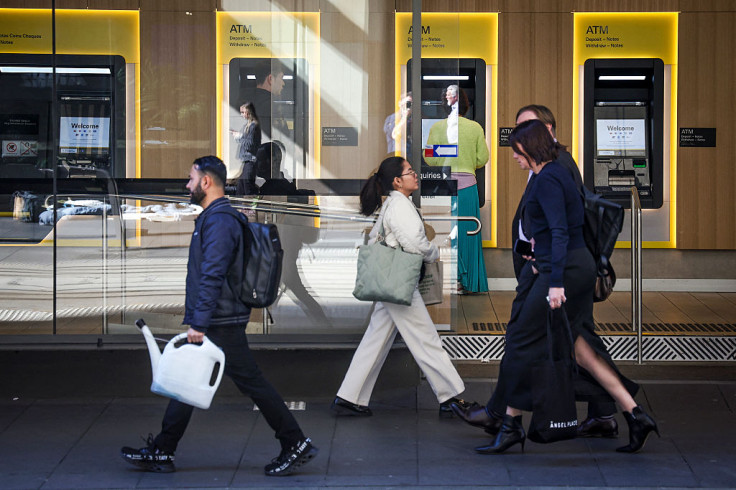
The nation's largest lender reported an unaudited cash profit of approximately $2.7 billion for the March quarter, up 4 percent from a year earlier but falling short of analyst expectations by about 2 percent. A $316 million loan impairment charge, including a $200 million precautionary top-up to collective provisions amid geopolitical risks in the Middle East and a more cautious economic outlook, triggered the sharp sell-off.
CBA shares opened sharply lower and accelerated their decline throughout the session, hitting intraday lows near $153.65. The 10.43 percent drop ranks among the bank's worst one-day performances in years, dragging the broader financial sector and the S&P/ASX 200 index lower despite resilience in mining stocks.
Budget Reforms Add to Lending Concerns
The sell-off intensified as investors digested Tuesday night's 2026-27 federal budget, which included changes to negative gearing and capital gains tax concessions for property investors. Analysts flagged heightened risks for mortgage lending growth, a core driver of bank earnings. UBS noted that CBA and Westpac appear most exposed to potential slowdowns in housing market activity.
Chief Executive Matt Comyn struck a cautious tone, citing persistent cost-of-living pressures, higher energy costs and interest rates weighing on households and businesses. The bank revised macroeconomic assumptions and increased weighting toward downside economic scenarios, prompting the additional provisioning.
New home loans data released Wednesday showed a 6.2 percent decline in the March quarter, reinforcing concerns about softening credit demand.
Sector-Wide Pressure on Financial Stocks
Other major banks also traded weaker. Westpac fell around 3 percent, ANZ about 2 percent and National Australia Bank 1.6 percent. The financials sector emerged as the heaviest drag on the ASX 200, which closed down 0.52 percent at 8,625.3 points after shedding 45.4 points.
The move marks the fourth straight session of declines for the benchmark, with the index now slightly negative for the calendar year 2026. Trading volume surged as investors repositioned amid the high-profile banking drama.
Miners Provide Counterbalance
Resource stocks offered some relief. BHP and Rio Tinto advanced on record copper prices and steady iron ore levels, helping materials stocks rise 2-3 percent. The divergent performance highlighted ongoing sector rotation, with investors shifting toward commodities amid uncertainty in financials.
Analyst Views and Valuation Reset
Commentators described the CBA plunge as a valuation reset for a stock long considered Australia's most expensive bank. Prior to Wednesday's drop, CBA traded at premium multiples that left little room for disappointment. Some fund managers viewed the sell-off as a potential buying opportunity for long-term holders, citing the bank's strong capital position, deposit franchise and market dominance.
Others warned of prolonged pressure on net interest margins, rising competition for deposits and policy headwinds. Freelancer CEO Matt Barrie highlighted on social media that CBA's one-day loss dwarfed the government's projected five-year revenue from the housing tax changes.
Broader Economic and Market Context
The events come against a backdrop of global uncertainties, including Middle East tensions that influenced the bank's provisioning. Domestically, the budget's focus on cost-of-living relief contrasted with structural shifts in property taxation that could reshape lending dynamics.
Economists note that while banks remain well-capitalized, any sustained slowdown in housing could flow through to profitability and broader economic activity. The Reserve Bank of Australia's interest rate path remains pivotal, with markets pricing limited easing for the remainder of 2026.
Implications for Investors and Super Funds
The dramatic session delivered a direct hit to retail investors and superannuation funds heavily exposed to CBA through index funds and direct holdings. Financial advisers urged diversification and cautioned against knee-jerk reactions, emphasizing the bank's underlying strengths despite near-term challenges.
For CBA, management will focus on demonstrating operational resilience in upcoming communications. The bank's extensive digital capabilities, customer base and conservative risk management continue to provide a solid foundation.
Wednesday's events serve as a stark reminder of market sensitivity to earnings misses and policy shifts. As earnings season progresses and investors digest the budget's full implications, volatility in financial stocks may persist. Selective opportunities in resources and other defensive sectors could attract capital shifting away from high-valuation banks.
The record wipeout at CBA will dominate market narratives in coming days, but analysts stress it reflects a combination of company-specific factors and macro concerns rather than systemic weakness in Australian banking. Investors now turn their attention to reactions from remaining banks and fresh economic data that could influence the sector's trajectory through the second half of 2026.
© Copyright 2026 IBTimes AU. All rights reserved.
- Recommended For You