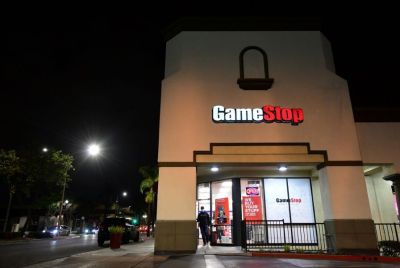
eBay Rejects GameStop's $56 Billion Takeover Bid as 'Neither Credible Nor Attractive'
SAN JOSE, Calif. — eBay Inc. on Tuesday formally rejected GameStop Corp.'s unsolicited $56 billion takeover offer, calling the proposal from the meme-stock-fueled video game retailer "neither credible nor attractive" in a sharply worded letter to GameStop Executive Chairman Ryan Cohen. The swift dismissal ends — at least for now — one of the most audacious corporate power plays in recent memory, with eBay's board citing deep concerns over financing, operational risks and governance.
In a public letter signed by eBay Chairman Paul S. Pressler and released via press release, the board said it had conducted a thorough review with independent financial and legal advisers before unanimously deciding to turn down the bid. The offer valued eBay at roughly $125 per share in a half-cash, half-stock transaction — a 20% premium to recent trading levels but one the board deemed unrealistic given GameStop's smaller size and funding uncertainties.
"eBay is a strong, resilient business with a clear strategy and a proven track record of delivering value for shareholders," Pressler wrote. The letter outlined six specific reasons for rejection, including doubts about GameStop's ability to finance the massive deal, potential harm to eBay's long-term growth, high leverage risks in a combined company, and questions about GameStop's leadership structure and executive incentives.
The Bold Bid That Shocked Wall Street
GameStop first disclosed its non-binding proposal on May 3, 2026, offering to acquire the much larger e-commerce marketplace in a deal valued at approximately $55.5 billion to $56 billion. Cohen, the activist investor who rose to prominence during the 2021 meme-stock frenzy, positioned the move as a transformative opportunity to create a broader e-commerce powerhouse capable of challenging Amazon.
GameStop, with a market capitalization of roughly $10-12 billion at the time of the offer, holds about $9 billion in cash and investments. The company said it had secured a "highly confident" financing letter from TD Securities for up to $20 billion in debt and planned to use stock issuance for the remainder. Cohen had built a roughly 5% stake in eBay through derivatives and common shares before launching the bid.
The proposal stunned analysts and investors. eBay's market value was nearly four times that of GameStop, raising immediate questions about feasibility. Cohen appeared on CNBC shortly after the announcement in a combative interview where he struggled to provide detailed answers on financing and strategic fit, further fueling skepticism.
Market Reaction and Immediate Fallout
Following the rejection, eBay shares opened slightly lower while GameStop stock dropped more than 4% in early trading Tuesday. The news capped a volatile period for both companies. GameStop shares had initially surged on takeover speculation but have since given back gains amid doubts about execution.
eBay emphasized its standalone strength, highlighting recent improvements in growth, profitability and its position as a leading global marketplace. The company has been repositioning itself under new leadership, focusing on core categories like collectibles, fashion and motors while investing in technology and seller tools.
Cohen's Vision and Next Steps
Cohen has repeatedly signaled willingness to take the offer directly to eBay shareholders if the board continued to resist. In public statements, he framed the potential combination as a way to leverage GameStop's 1,600 physical stores for authentication, intake and fulfillment services that could enhance eBay's operations.
Whether Cohen pursues a hostile takeover — potentially through a proxy fight or tender offer — remains unclear. Such moves are expensive, time-consuming and face significant regulatory and shareholder hurdles. GameStop has not yet issued a formal response to the rejection.
The episode has reignited debate over Cohen's aggressive style. Supporters view him as a bold visionary willing to challenge corporate inertia, while critics see the bid as emblematic of meme-stock hype detached from financial reality. Michael Burry, an early GameStop backer, reportedly exited his position following the announcement.
Broader Implications for Retail and E-Commerce
The failed bid highlights stark differences between traditional retail and modern e-commerce. GameStop continues its pivot from physical game sales toward collectibles and digital initiatives amid industry-wide declines in brick-and-mortar gaming. eBay, meanwhile, has evolved into a resilient platform with strong international presence and diversified revenue streams.
Analysts question whether any combination would create meaningful synergies. GameStop's retail footprint could theoretically support eBay's authentication needs for high-value items, but integrating two vastly different corporate cultures and operational models would carry enormous execution risk.
Wall Street remains divided. Some see the episode as harmless theater that boosts short-term volatility and retail investor interest. Others warn that pursuing an unrealistic deal could drain GameStop's substantial cash reserves and distract from necessary business transformation.
What Happens Next
eBay's board expressed confidence in its independent strategy and leadership team. The company will likely continue focusing on organic growth and potential smaller acquisitions while fending off any further advances from GameStop.
For GameStop, the coming weeks will test Cohen's resolve. With Q1 earnings approaching and ongoing pressure to demonstrate a viable long-term plan, the company must balance its activist ambitions with operational realities. Shareholders will watch closely for any revised proposals, regulatory filings or strategic updates.
The dramatic clash between a meme-stock icon and a blue-chip e-commerce veteran has captivated markets and mainstream media alike. Whether this marks the end of the saga or merely the opening chapter of a prolonged battle remains to be seen. For now, eBay stands firm, and the audacious $56 billion dream appears stalled.
As Cohen weighs his options, one thing is certain: the bold move has once again thrust both companies into the spotlight, reminding investors that in today's market, even the most unlikely ideas can spark serious conversations — and serious consequences.
© Copyright 2026 IBTimes AU. All rights reserved.
- Recommended For You