

Elon Musk Endorses Warren Buffett's Radical Plan to Bar Congress From Reelection Over Deficits
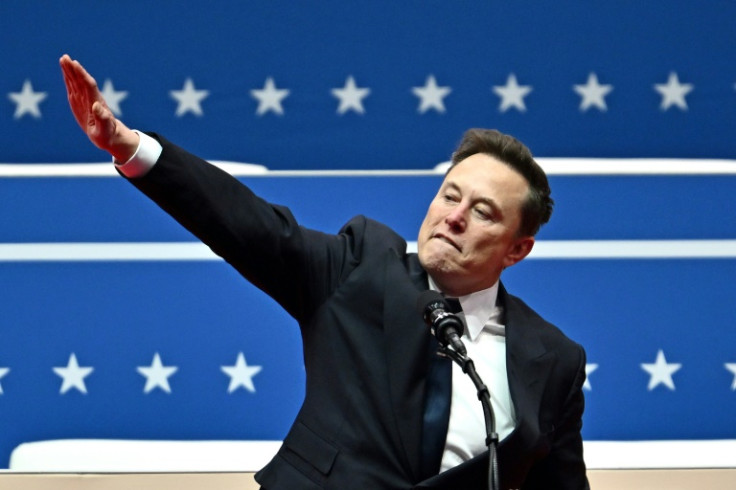
AUSTIN, Texas — Elon Musk threw his influential support behind a bold 2011 proposal from Warren Buffett that would automatically bar all sitting members of Congress from seeking reelection if the federal deficit exceeds 3% of U.S. GDP, reigniting fierce debate over fiscal accountability as the national debt approaches $40 trillion.
Musk, responding on X to a resurfaced video clip shared by Utah Sen. Mike Lee, wrote simply: "100%. This is the way." The endorsement from the world's richest man has amplified calls for structural reform in Washington, where critics argue entrenched lawmakers face little personal consequence for unchecked spending.
Buffett's idea, first outlined in a 2011 CNBC interview, offers a blunt mechanism to fix what he called a solvable problem. "I could end the deficit in five minutes," the Berkshire Hathaway chairman said. "You just pass a law that says that anytime there's a deficit of more than 3% of GDP, all sitting members of Congress are ineligible for reelection."
Proposal gains fresh traction
The clip, originally from more than a decade ago, went viral again in early June 2025 when Sen. Lee posted it and asked followers if they would support such an amendment. Musk's swift and unequivocal backing, along with interest from figures like Treasury Secretary Scott Bessent and investor Ray Dalio, has propelled the concept back into national conversation amid record-high debt levels.
The U.S. national debt has ballooned past $39 trillion, with annual deficits routinely surpassing the 3% threshold in recent years. For context, the Congressional Budget Office projects persistent deficits well above that mark under current policies, driven by entitlement spending, interest payments and discretionary outlays.
Proponents argue the proposal would realign incentives dramatically. Lawmakers, facing the threat of automatic ouster, would have strong personal motivation to control spending, raise revenues or pursue growth-oriented policies that shrink the deficit relative to the economy.
Critics highlight constitutional and practical hurdles
Opponents, including many in Congress, contend the idea faces insurmountable barriers. Implementing it would likely require a constitutional amendment, as term limits and eligibility rules touch core electoral issues. Even a statute might face legal challenges.
Buffett himself acknowledged in the original interview that such a law "wouldn't pass" because it directly threatens incumbents' power. Skeptics also warn of unintended consequences: short-term political gamesmanship, rushed austerity measures harming vulnerable populations, or volatility in policy as new members cycle through rapidly.
Fiscal hawks counter that the status quo — where deficits balloon with little electoral penalty — is unsustainable. Interest on the debt alone now exceeds $1 trillion annually, rivaling major budget categories like defense.
Broader context of term limits and accountability
The discussion taps into long-simmering frustration with congressional tenure. Average tenure in the House and Senate has lengthened over decades, with many members serving 20, 30 or more years. Polls consistently show strong public support for term limits, though they have repeatedly failed in Congress.
Musk's endorsement aligns with his vocal criticism of government inefficiency and spending. Through the Department of Government Efficiency (DOGE) initiative and frequent X commentary, he has pushed for drastic cuts and reforms. His support for Buffett's plan fits this pattern of seeking structural changes over incremental tweaks.
Sen. Lee, a longtime fiscal conservative, is reportedly drafting related constitutional language linking overspending or inflation triggers to congressional eligibility. While passage remains a steep uphill battle requiring two-thirds majorities in both chambers and ratification by three-fourths of states, the high-profile backing keeps the idea alive.
Reactions across the political spectrum
The proposal has drawn mixed but passionate responses. Conservative voices praise it as a desperately needed check on fiscal irresponsibility. Some progressives express concern it could force harmful cuts to social programs without revenue measures. Libertarians and independents largely cheer any mechanism increasing accountability.
On social media, reactions range from enthusiastic memes celebrating "firing Congress" to accusations of oversimplification. Financial markets have shown little immediate reaction, but sustained discussion could influence investor sentiment around U.S. debt sustainability.
Historical precedent and global comparisons
The U.S. stands out among major economies for lacking formal term limits on lawmakers at the federal level. Many states impose them on governors and legislators, with mixed results on policy outcomes. Internationally, countries with stricter fiscal rules or automatic mechanisms have sometimes achieved better debt discipline, though cultural and institutional differences complicate direct comparisons.
Buffett, despite his immense wealth and influence, has long advocated higher taxes on the ultra-rich and responsible fiscal policy. His deficit plan reflects a pragmatic businessman's view that incentives drive behavior more effectively than appeals to virtue.
Path forward remains uncertain
For the idea to advance, supporters would need to build broad bipartisan coalitions — a tall order in a polarized Congress. Even Musk's platform reach and financial clout cannot guarantee legislative success. Yet the viral resurgence demonstrates deep public appetite for creative solutions to seemingly intractable problems.
As the national debt climbs and interest costs consume an ever-larger share of the budget, pressure for accountability measures will likely intensify. Whether Buffett's "five-minute fix" becomes more than a thought experiment depends on whether lawmakers feel enough heat from voters — or from high-profile advocates like Musk — to consider ceding some of their own power.
The proposal underscores a fundamental tension in American democracy: balancing representative government with mechanisms to prevent fiscal recklessness. With Musk's high-visibility endorsement, Buffett's old idea has new life — and a fresh chance to shape the conversation around one of the nation's most pressing long-term challenges.
For now, it remains a provocative hypothetical. But in an era of trillion-dollar deficits and eroding trust in institutions, even long-shot proposals can shift the Overton window and force uncomfortable questions about how Washington operates.
© Copyright 2026 IBTimes AU. All rights reserved.