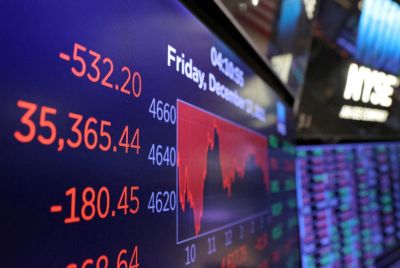
Dow Jones Industrial Average Rebounds 238 Points as Investors Look Past Middle East Tensions
The Dow Jones Industrial Average climbed more than 200 points Wednesday, March 4, 2026, snapping a three-session losing streak as Wall Street shook off earlier fears over escalating conflict in the Middle East and focused on resilient corporate earnings and stabilizing oil prices.

The blue-chip index closed at 48,739.41, up 238.14 points or 0.49%. The broader S&P 500 rose 0.78% to 6,869.50, while the tech-heavy Nasdaq Composite gained 1.29% to 22,807.48. Volume remained elevated, reflecting ongoing volatility tied to geopolitical developments.
The advance followed a turbulent stretch. On Tuesday, March 3, the Dow plunged as much as 1,278 points intraday before paring losses to close down 403.51 points, or 0.83%, at 48,501.27. That session marked the index's third consecutive decline, driven by sharp spikes in oil prices after reports of intensified U.S.-Iran confrontations in the Persian Gulf. Brent crude futures surged briefly above $95 per barrel amid concerns over potential disruptions to global energy supplies through the Strait of Hormuz.
Investors appeared to take comfort from comments by President Donald Trump, who indicated the U.S. Navy would escort tankers if needed to ensure safe passage. The assurance helped moderate oil's climb and eased broader fears of a prolonged energy crisis impacting the economy. By Wednesday's close, crude had retreated from session highs, contributing to a risk-on mood that lifted equities.
"Markets are pricing in some containment rather than escalation," one strategist noted in a client update. "While uncertainties remain, the absence of immediate supply shocks and solid underlying fundamentals are supporting a rebound."
The Dow's recovery was broad-based, with gains in energy, financials and industrials offsetting modest pullbacks in some defensive names. Chevron and Exxon Mobil contributed positively as oil steadied, while Boeing and Caterpillar benefited from hopes that trade disruptions would prove temporary. Tech components like Apple and Microsoft also participated in the upswing, aligning with Nasdaq's stronger performance.
Year-to-date in 2026, the Dow has risen about 1.41% as of March 4, building on a strong close to 2025. The index hit a record high above 50,000 in February before retreating amid tariff concerns, AI sector rotations and geopolitical headlines. The 52-week range spans a low of 36,611.78 to a high of 50,512.79.
Broader market dynamics reflect a mix of resilience and caution. Corporate earnings season continues to deliver mostly positive surprises, with many companies beating expectations despite higher input costs from energy volatility. Economic data remains supportive, including steady consumer spending and labor market strength, though inflation pressures linger in services.
The conflict with Iran has introduced "tail risk" premiums, analysts say, with some warning of potential further downside if hostilities expand. Dow futures pointed lower in early after-hours trading Thursday, March 5, suggesting choppiness ahead, though premarket indications were mixed.
Analysts maintain a constructive outlook for equities longer term, citing corporate balance sheet strength, potential Federal Reserve policy flexibility and innovation-driven growth in sectors like technology and defense. However, high valuations leave little margin for error if geopolitical risks materialize or if oil sustains elevated levels.
The rebound underscores Wall Street's ability to digest headline-driven volatility. Traders continue monitoring developments in the Middle East, oil market flows and upcoming economic releases, including employment data and inflation gauges that could influence Fed expectations.
As March progresses, attention shifts toward potential catalysts like quarterly reports from major Dow components and any diplomatic progress in the region. For now, Wednesday's gains provide a measure of relief after recent pressure, with the index holding above key technical support levels near 48,000.
The performance highlights the interconnected nature of global markets in 2026, where energy security, policy signals and corporate resilience intersect to shape daily movements. Investors remain vigilant, balancing optimism about economic fundamentals against persistent external uncertainties.
© Copyright 2026 IBTimes AU. All rights reserved.
- Recommended For You