Dow Jones Industrial Average Tumbles Amid Surging Oil Prices and Geopolitical Tensions
The Dow Jones Industrial Average closed at 47,501.55 on March 6, 2026, down 453.19 points or 0.95% from the previous session, capping a volatile week marked by sharp declines driven by escalating oil prices and investor concerns over the economic fallout from the ongoing U.S.-Iran conflict.
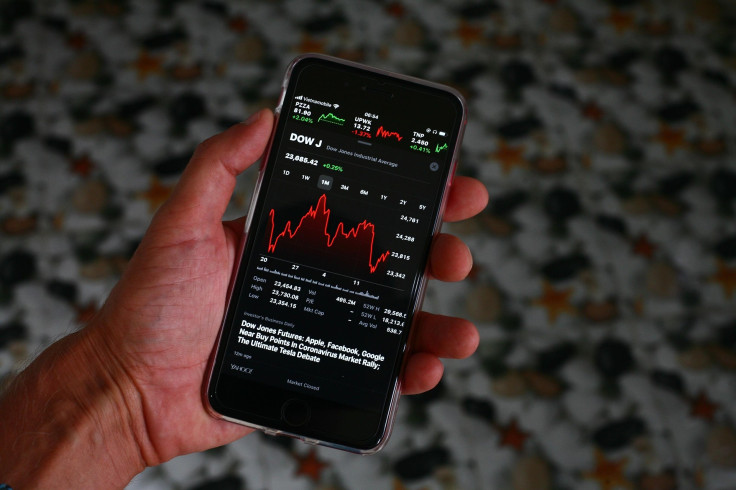
The blue-chip index opened at 47,634.55 and ranged from a low of 47,009.01 to a high of 47,634.55 during the session, with trading volume reaching approximately 544.9 million shares. The close represented the Dow's lowest finish since late February, erasing much of the gains posted earlier in the week and pushing the index into negative territory for the year in some calculations, though year-to-date performance hovered near flat to slightly positive depending on the benchmark starting point from late 2025.
The March 6 decline followed a brutal March 5 session where the Dow plunged 784.67 points, or 1.61%, to close at 47,954.74. That drop came after oil prices spiked above $80 a barrel for the first time in over a year, fueled by reports of Iranian attacks on shipping in the Strait of Hormuz and warnings from energy ministers that prolonged conflict could disrupt global supplies and send crude toward $150. Cyclical stocks like Boeing, Caterpillar and other industrials bore the brunt, as traders priced in risks of slower global growth and higher inflation from energy costs.
Earlier in the week, the Dow had shown resilience. On March 4, it rallied 238.14 points, or 0.49%, to 48,739.41, snapping a brief losing streak as some investors looked past immediate war headlines. But the rebound proved short-lived, with March 3 seeing a 403.51-point drop to 48,501.27 amid broader sell-offs tied to Middle East developments.
The week's performance painted a picture of heightened uncertainty: the Dow shed roughly 3% over the five trading days ending March 6, marking its worst weekly decline since April 2025. The broader market echoed the pain, with the S&P 500 falling 1.33% on March 6 to 6,740.02 and the Nasdaq Composite dropping 1.59% to 22,387.68. Both indexes posted multi-day losses, with tech names adding to the pressure amid rotation out of growth stocks.
Analysts pointed to a confluence of factors weighing on equities. Surging crude — with West Texas Intermediate briefly topping $90 in intraday trading — raised fears of persistent inflation that could force the Federal Reserve to maintain or even tighten policy despite softening jobs data. February's employment report showed an unexpected slowdown in hiring, adding to recession jitters even as energy-driven inflation risks mounted.
The Iran conflict remained the dominant narrative. U.S. strikes in late February, followed by Iranian retaliation including tanker incidents, have kept markets on edge. Qatar's energy minister warned in interviews that a prolonged war could "bring down the economies of the world" by halting Gulf production, a scenario that sent safe-haven assets higher while pressuring risk-sensitive sectors.
Within the Dow's 30 components, performance varied widely on March 6. Energy-related names like Chevron showed relative resilience with minimal changes, while industrials such as Caterpillar fell sharply amid global slowdown concerns. Tech-influenced holdings like Apple and Microsoft contributed to downside, though some defensive plays like Johnson & Johnson and Coca-Cola held steadier.
Looking ahead, investors eye the next jobs report and any de-escalation signals from the Middle East. The Dow's 52-week range spans from around 36,611 to a February 2026 peak near 50,512, highlighting the index's climb from post-2025 recovery levels before the current pullback. Despite the recent weakness, longer-term returns remain positive, with one-year gains around 11.5% as of early March.
Market watchers note that while geopolitical shocks have historically led to temporary volatility, sustained high oil prices could alter the outlook for 2026 growth. Economists warn that prolonged energy inflation might erode consumer spending and corporate margins, particularly for Dow heavyweights in manufacturing and transportation.
The March 6 close left the Dow vulnerable to further downside if oil continues its ascent or if weekend developments in the conflict add fuel to the fire. Futures indicated potential opening pressure, though Asian and European markets showed mixed reactions early Monday in Seoul time.
As Wall Street digests the week's turbulence, focus shifts to corporate earnings season ramping up and any Federal Reserve commentary on balancing inflation and growth risks. The Dow's path through March will likely hinge on whether energy prices stabilize or if diplomatic efforts ease tensions, determining if the blue-chip benchmark can reclaim recent highs or faces deeper consolidation.
With the index now trading below 48,000 after flirting with 49,000 earlier in the week, the Dow's performance underscores the market's sensitivity to global events in an era of interconnected risks. Investors remain watchful for catalysts that could either reignite momentum or deepen the correction.
© Copyright 2026 IBTimes AU. All rights reserved.
- MOST POPULAR IN News