US Energy Exports Smash Records as Hormuz Blockade Creates Global Supply Crisis
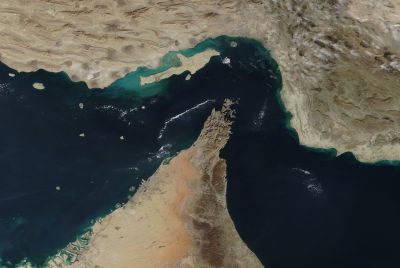
HOUSTON — U.S. energy exports have surged to unprecedented levels in April 2026 as the ongoing closure of the Strait of Hormuz has rerouted global oil and liquefied natural gas flows, positioning American producers as the primary swing suppliers amid the U.S.-Iran conflict.

Total U.S. exports of crude oil and petroleum products hit a record 12.9 million barrels per day last week, according to the U.S. Energy Information Administration, far exceeding typical figures and filling the void left by disrupted Middle Eastern supplies. The blockade, part of a dual chokehold with Iranian actions since late February, has removed roughly 20% of global seaborne oil and significant LNG volumes from the market, driving buyers in Asia and Europe toward U.S. Gulf Coast terminals.
The Port of Corpus Christi, the nation's leading oil export hub, posted record first-quarter volumes, with crude shipments up more than 2% year-over-year and refined products rising over 11%. LNG cargoes jumped nearly 37% in March compared to the prior year, as facilities operated near or above nameplate capacity.
President Donald Trump has framed the blockade as a strategic opportunity for American energy dominance. In recent statements, he encouraged nations affected by the disruptions — particularly China, Japan and South Korea — to turn to U.S. supplies, highlighting the geopolitical leverage gained from the crisis. Energy Secretary Chris Wright noted that prices could remain elevated until meaningful shipping resumes through the strait.
The Hormuz crisis began with U.S.-Israeli strikes on Iran in late February, prompting Tehran to declare the strait largely closed and attack vessels. The U.S. responded with its own naval blockade of Iranian ports, creating a dual disruption that has idled hundreds of tankers and slashed daily global oil flows by an estimated 11 million barrels. Qatar's Ras Laffan LNG facilities suffered damage, further tightening supply.
This has supercharged U.S. LNG exports. March shipments reached a record 11.7 million metric tons, surpassing the previous high, with Europe taking about 64% and Asia seeing more than double the volume from February. Analysts project full-year 2026 LNG exports averaging 17.0 billion cubic feet per day, with further growth expected in 2027 as new capacity comes online.
Crude exports have climbed as well, with over 5 million barrels per day in recent weeks when including refined products pushing totals toward 13 million bpd. Empty very large crude carriers have rerouted en masse to the Gulf Coast, drawn by competitive U.S. pricing and available tankers freed up by the strait's paralysis.
The boom has provided a timely lift to the U.S. energy sector. Domestic producers, already benefiting from years of shale innovation and infrastructure buildout, have ramped up output where possible. However, analysts caution that logistical ceilings exist. Crude export infrastructure faces bottlenecks, and sustained high volumes could strain domestic inventories or push U.S. gasoline prices higher.
Global oil prices have reacted sharply, with Brent crude exceeding $100 per barrel at peaks and remaining elevated amid uncertainty. While the U.S. is relatively insulated due to its net exporter status, consumers have felt some pain at the pump. Internationally, the shift has exposed vulnerabilities in reliance on chokepoints and concentrated Middle Eastern supply.
Asian buyers, heavily dependent on Gulf LNG and oil, have pivoted aggressively. Shipments to the region have surged, helping offset losses from Qatari disruptions that could last years. European nations, already diversifying away from Russian supplies in prior years, have increased U.S. LNG intake to record levels.
The Trump administration views the developments as validation of its "energy dominance" agenda. Officials point to expanded export authorizations and new terminals as key enablers. Projects like Corpus Christi Stage 3, Golden Pass and Plaquemines LNG are adding capacity, with more under construction or approved.
Yet risks remain. Prolonged blockade or escalation could further tighten markets, while a diplomatic breakthrough in ongoing Pakistan-mediated talks might ease disruptions and temper the export surge. Infrastructure constraints, including pipeline takeaway capacity and port congestion, could cap further growth despite strong demand.
Environmental and market analysts note the irony: a conflict-driven boom accelerates fossil fuel exports at a time when long-term energy transition goals persist. However, for U.S. producers, workers in Texas and Louisiana, and the broader economy, the short-term windfall has been significant, supporting jobs and tax revenues.
Economists project the rerouting could reshape trade patterns for years, encouraging more diversified supply chains and investment in non-Hormuz routes. Some Middle Eastern producers may accelerate pipeline projects to bypass the strait, while U.S. export terminals position themselves as reliable alternatives.
As ceasefire talks continue in Islamabad with limited progress, the energy market remains on edge. U.S. exports have provided a critical buffer, preventing even deeper shortages, but the situation underscores America's evolving role as a global energy superpower — one thrust into the spotlight by geopolitical turmoil.
Industry leaders expect the record pace to continue into May unless diplomacy yields a swift reopening. For now, the Golden Arches of American energy — from Gulf Coast terminals to LNG carriers crossing oceans — symbolize both crisis response and opportunity in a fractured world market.
The coming weeks will test whether this export surge proves temporary or marks a lasting shift in global energy geography. For U.S. producers, the Hormuz blockade has delivered an unexpected and historic tailwind.
© Copyright 2026 IBTimes AU. All rights reserved.
- Recommended For You