US Blockade Tightens Grip on Strait of Hormuz as Oil Surges Past $100 Amid Iran Standoff
WASHINGTON — The U.S. military's blockade of Iranian ports took full effect Tuesday, choking off shipping around the Strait of Hormuz and sending oil prices surging above $100 a barrel as geopolitical tensions in the critical waterway escalated to a dangerous new phase.

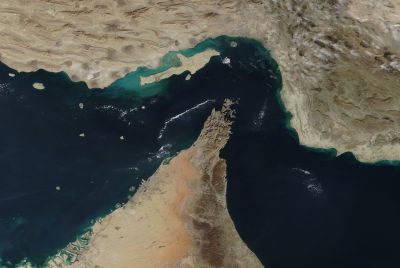
The narrow 21-mile-wide chokepoint between Iran and Oman, through which roughly one-fifth of global oil and significant liquefied natural gas volumes normally flow, has become the epicenter of a high-stakes confrontation between Washington and Tehran. President Donald Trump confirmed the naval operation began Monday at 10 a.m. EDT, following the collapse of weekend peace talks in Pakistan.
Blockade in Force, Shipping Halts
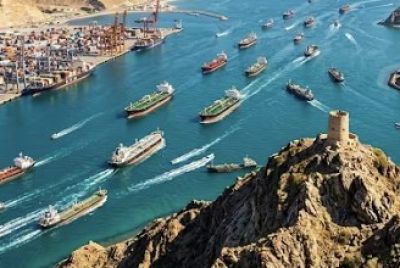
U.S. Navy forces are enforcing restrictions on all vessels entering or departing Iranian ports and coastal areas, with warnings that unauthorized ships risk interception. At least two oil and chemical tankers turned back shortly after the blockade started, according to maritime tracking data. Ship traffic through the strait has plunged to near standstill levels, continuing a pattern of severe disruption that began when Iran first restricted passages earlier in the conflict.
Lloyd's List Intelligence and other trackers reported minimal transits in recent days, far below the normal 140 or so vessels daily. The U.S. action targets Iranian traffic specifically while aiming to preserve neutral passage, though the practical effect has been widespread caution among shippers.
Iran has responded with defiance. The Islamic Revolutionary Guard Corps released video footage showing its forces issuing "last warnings" to U.S. warships, and Tehran has threatened retaliation, including potential disruption of other routes such as the Bab al-Mandeb Strait off Yemen via its Houthi allies.
Oil Market Shockwaves
The developments have reignited volatility in energy markets. Brent crude jumped more than 4% to around $99.36 a barrel, while West Texas Intermediate climbed similarly, briefly pushing both benchmarks above $100 in intraday trading. Analysts warn of further spikes if the standoff drags on, as the loss of Iranian exports and broader Gulf supply risks compound existing pressures.
Global economies are feeling the pinch. Higher fuel costs threaten to fuel inflation, delay interest rate cuts and slow growth, particularly in import-dependent Asia and Europe. Airlines, shipping firms and manufacturers face rising expenses, with some already passing costs to consumers.
Saudi Arabia is urging Washington to ease the blockade, fearing Iranian retaliation could close additional chokepoints and devastate Gulf energy exporters. Arab officials expressed concern that escalation might target Bab al-Mandeb, another vital route.
Background to the Crisis
The current flare-up stems from the broader 2026 Iran conflict. Iran began restricting Hormuz traffic in late February after U.S. and Israeli strikes, effectively weaponizing the strait that carries about 20.3 million barrels of oil and 290 million cubic meters of LNG daily under normal conditions.
Oil tanker attacks in the Strait of Hormuz requires an 'international response,' US envoy to Iran says
Peace efforts in Islamabad failed over the weekend, prompting Trump's decision to impose the port blockade as leverage. The president has warned Iranian warships approaching U.S. assets could be "blown to hell" and vowed to protect freedom of navigation.
U.S. Navy destroyers have conducted mine-clearing operations in support of the effort, while American forces maintain a robust presence in the region. The UN Secretary-General has called on all parties to respect freedom of navigation.
Global Repercussions and Responses
The crisis has ripple effects far beyond energy. Hundreds of tankers remain stranded or rerouted, disrupting supply chains. Insurance premiums for vessels in the area have skyrocketed. Nations dependent on Middle Eastern oil, including China, India, Japan and South Korea, are scrambling for alternatives, with some turning to U.S. producers.
In Europe, leaders are coordinating responses, with the UK and France reportedly planning a summit. NATO allies face pressure from Washington to assist, though many have been reluctant to deepen involvement.
Domestically in the U.S., the administration points to the blockade as necessary to counter what Vice President JD Vance called Iran's "economic terrorism." Trump has framed the action as protecting global commerce while squeezing Tehran's revenue.
Economists caution that prolonged closure could add significantly to inflationary pressures worldwide. The International Energy Agency has already released emergency stocks, but sustained disruption risks deeper market turmoil.
What Lies Ahead
Diplomacy remains a faint hope. Saudi mediation efforts and other back-channel talks continue, but trust is low after repeated ceasefire violations. Iran insists on conditions including reparations and recognition of its security concerns, while the U.S. demands unrestricted passage through the strait.
Military analysts note the U.S. has the capability to challenge Iranian forces in the waterway, but any direct confrontation carries risks of wider war, including attacks on Gulf infrastructure or U.S. bases.
For now, the blockade tightens daily. Shippers are adopting extreme caution, with many vessels idling or diverting thousands of miles around Africa. Oil traders brace for volatility as the world watches one of its most vital energy arteries.
The Strait of Hormuz, long a flashpoint, now stands as a test of wills with enormous stakes for global stability and prosperity. Whether cooler heads prevail or escalation spirals further will shape not just oil prices but the broader geopolitical landscape for years to come.
© Copyright 2026 IBTimes AU. All rights reserved.
- Recommended For You