Trump's Hormuz Blockade Sparks 500-Point Dow Futures Drop as Oil Surges Past $104
NEW YORK — U.S. stock futures tumbled sharply early Monday after President Donald Trump announced a naval blockade of the Strait of Hormuz following the collapse of marathon peace talks with Iran, sending oil prices surging above $104 a barrel and reigniting fears of a major disruption to global energy supplies.

Dow Jones Industrial Average futures plunged as much as 517 points, or 1.1%, in overnight trading, while S&P 500 futures fell about 1% and Nasdaq 100 futures dropped 1.2%. The sell-off reflected investor anxiety over potential escalation in the Persian Gulf, where roughly one-fifth of the world's oil and liquefied natural gas normally transits the narrow waterway between Iran and Oman.
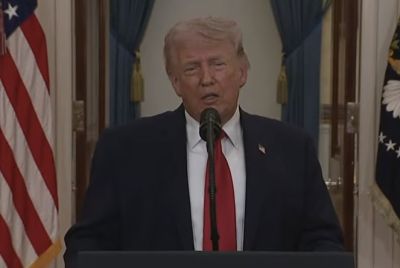
The dramatic market reaction came hours after Trump, in a pair of Truth Social posts and a Fox News interview, declared the U.S. Navy would immediately begin blockading ships entering or leaving the strait. He accused Iran of extortion for charging tolls on vessels and warned that anyone firing on U.S. or peaceful ships would be "blown to hell." The president said the Navy would work to clear mines and eventually restore unrestricted traffic on American terms.
The announcement followed more than 21 hours of face-to-face negotiations in Islamabad, Pakistan, that ended without agreement. Vice President JD Vance, leading the U.S. delegation, said Iran rejected key demands, including verifiable dismantling of its nuclear program, an end to support for regional militant groups and unconditional reopening of the strait without tolls. Iranian officials countered that the U.S. presented "maximalist" positions and shifting goalposts, claiming the sides had been "inches away" from a deal before talks broke down.
Oil markets reacted instantly to the heightened tensions. U.S. crude futures for May delivery jumped nearly 8% to $104.20 per barrel, while international benchmark Brent crude advanced more than 7% to around $102-$103. Wholesale gasoline prices rose 6% and heating oil, a proxy for jet fuel, spiked 10% in early electronic trading. Analysts warned that prolonged disruption could push prices even higher, potentially reigniting inflation concerns and pressuring consumer spending.
The Strait of Hormuz has been largely paralyzed since earlier U.S.-Israel military actions against Iran escalated into open conflict earlier this year. Traffic dropped dramatically after Iranian forces mined parts of the waterway and attacked shipping. A fragile two-week ceasefire had offered hope of reopening the route, but the failed Islamabad talks dashed those expectations.
Trump told Fox News' "Sunday Morning Futures" that implementing the blockade would "take a little while" but emphasized it was necessary to stop what he called Iranian extortion. U.S. Central Command later clarified that the blockade, set to begin at 10 a.m. ET Monday, would target all maritime traffic entering or exiting Iranian ports while not impeding vessels transiting the strait to or from non-Iranian ports. The distinction appeared to scale back Trump's broader initial rhetoric but still signaled a significant escalation.
Wall Street's sharp overnight decline extended losses in Asian markets, where major indexes fell in early Monday trading. The Australian dollar and South African rand led declines among risk-sensitive currencies. Investors shifted toward safe-haven assets such as gold and U.S. Treasuries, with the 10-year yield dipping modestly.
Economists and energy analysts said the blockade risks compounding supply worries at a time when global oil markets remain sensitive. China, the world's largest crude importer, relies heavily on Middle East supplies passing through Hormuz. Beijing urged restraint and warned against actions that could disrupt global energy security, though it stopped short of direct condemnation.
European leaders also expressed alarm. The EU's foreign policy chief called for urgent de-escalation, noting the continent's dependence on stable energy prices amid ongoing economic recovery efforts. Several NATO allies quietly increased diplomatic contacts with Washington and Beijing to prevent miscalculation.
The market turmoil comes as the broader U.S. economy has shown resilience but faces lingering inflation risks and uncertainty over trade policies. A sustained spike in oil prices could feed through to higher gasoline costs — already elevated — and broader transportation expenses, potentially slowing consumer spending and complicating the Federal Reserve's monetary policy decisions.
Trump has repeatedly stressed that the United States, now a net energy exporter thanks to domestic production, is largely insulated from Hormuz disruptions. "We don't need the Hormuz Strait. We have so much oil," he has said in past comments. Critics, however, point to secondary effects on allies, global growth and U.S. businesses with international exposure.
On Wall Street, energy stocks rose in premarket trading while airlines, consumer discretionary names and broader industrials faced selling pressure. Bank of America analysts noted that a prolonged blockade could shave 0.5 to 1 percentage point off global GDP growth if oil prices remain elevated above $100 for an extended period.
The timing of the announcement added to market unease. With the NBA playoffs approaching and earnings season winding down, investors had hoped for a period of relative calm after recent volatility tied to the Iran conflict. Instead, the failed talks and blockade order injected fresh geopolitical risk premium into asset prices.
Legal and maritime experts questioned aspects of the blockade under international law, which generally protects freedom of navigation in international straits. The U.S. has cited self-defense and responses to Iranian actions, but a full blockade against third-party shipping could invite legal challenges or retaliation.
Iran's Revolutionary Guard called the move "illegal piracy" and warned of consequences, though it stopped short of immediate threats. Shipping companies advised clients to avoid the area, with dozens of tankers already idling in safer waters or rerouting around Africa at significantly higher costs.
As trading opened in Europe and Asia, volatility remained high. Analysts expected a negative open on Wall Street, with focus shifting to any statements from the White House, Pentagon or Iranian officials that could clarify the blockade's scope and enforcement.
The episode underscores the intertwined nature of geopolitics and markets. What began as high-stakes diplomacy in Pakistan quickly translated into billions in market value shifts and renewed energy price fears.
For now, the blockade remains in its early stages. Trump acknowledged implementation would not be instantaneous, giving some breathing room for last-minute diplomacy. Yet with talks collapsed and naval assets moving into position, the coming days could prove pivotal for both the fragile ceasefire and global economic stability.
Investors will closely monitor oil flows, any naval incidents and statements from major powers. A swift resolution or de-escalation could calm markets, while further escalation risks deeper losses and broader economic ripple effects.
© Copyright 2026 IBTimes AU. All rights reserved.
- Recommended For You