Biden Sues DOJ to Block Release of Ghostwriter Audio in Classified Documents Probe
Legal battle over privacy and transparency as Biden seeks to prevent release of personal recordings
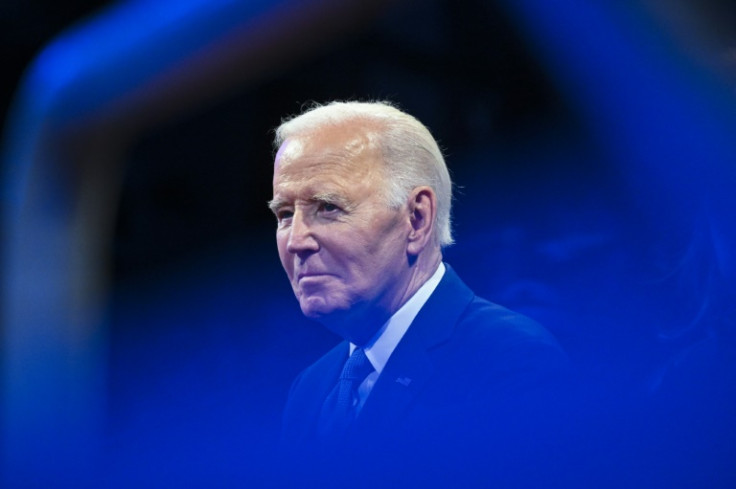
WASHINGTON — Joe Biden sued the Justice Department on Tuesday to block the release of audio recordings and transcripts from private conversations he had with his ghostwriter, records that became part of special counsel Robert Hur's investigation into Biden's handling of classified documents.
The lawsuit, filed in federal court in Washington, seeks to stop the Justice Department from providing the materials to the House Judiciary Committee and the Heritage Foundation, which requested them through a Freedom of Information Act case. The department has said the records could be released June 15 if the court does not intervene.
Biden's lawyers argue that the recordings were made in his home and that disclosure would violate privacy rights that apply to all Americans, including former presidents and vice presidents. They say the Justice Department changed its position on release without fully explaining why.
The recordings were made in 2016 and 2017 while Biden was working with author Mark Zwonitzer on his memoir, "Promise Me, Dad: A Year of Hope, Hardship, and Purpose". The audio and transcripts later became important evidence in Hur's probe into whether Biden improperly retained classified documents after leaving the vice presidency.
Hur ultimately declined to recommend criminal charges. But his report drew sharp political attention when it described Biden as a "sympathetic, well-meaning, elderly man with a poor memory," language that became a major flashpoint in Washington during the 2024 election cycle.
The dispute now centers on whether materials gathered during a criminal investigation can be released when they began as private conversations in a personal setting. Biden's lawyers say the recordings were made in his home, not as official government business, and should remain protected from broad disclosure.
The Justice Department had previously treated the files as exempt from public release, according to Biden's lawsuit. The filing says the department later notified Biden in February that it intended to release the materials, and that a later communication set a June 15 disclosure date unless a court stepped in.
The Heritage Foundation has pushed for the records under FOIA, arguing that the public has an interest in seeing evidence used in a major federal investigation. The House Judiciary Committee has also sought the materials. The fight has become part of a wider debate over transparency, privacy and the treatment of records tied to high-profile public figures.
Trump reacted to the lawsuit on social media, calling Biden "A Crooked Politician!!!". Republicans have used the classified documents matter to argue that Biden received different treatment than other public figures, while Biden's team says the issue is about privacy and legal protections rather than politics.
The audio recordings themselves have already figured prominently in public debate because of their role in Hur's conclusions. In one cited line, Biden said, "I just found all the classified stuff downstairs". That statement, along with other material in the recordings, was used by investigators to assess Biden's intent and memory.
Biden's legal challenge asks a federal judge to stop the release before the June 15 deadline. A hearing date had not been announced as of the filing. If the court sides with Biden, the recordings could remain sealed; if it sides with the Justice Department, Congress and the Heritage Foundation could receive redacted versions.
The lawsuit also highlights the unusual path the materials took from private memoir conversations to federal evidence. Biden recorded the sessions while preparing his memoir after the death of his son, Beau, and the recordings were not created for a government proceeding. They later became part of a special counsel file and now sit at the center of a privacy dispute.
Biden's lawyers say releasing the material would cause harm and impose costs linked to responding to the disclosure. They argue that privacy interests would be impossible to restore once the audio is made public. Opponents are likely to counter that records used in a federal investigation should be open to scrutiny, particularly in a case that already drew major national attention.
The broader legal framework involves FOIA, privacy protections and records tied to former presidents. Courts often must balance the public's right to know against the need to protect personal conversations and sensitive information. In this case, the judge will have to decide whether the recordings should be treated as private memoir material, government investigative evidence, or both.
The classified documents case itself began with discoveries in late 2022 and has remained politically charged ever since. Hur's report ended without charges, but its findings continued to shape the political debate, especially after Biden's poor debate performance and eventual withdrawal from the 2024 presidential race. This new lawsuit returns the matter to court by focusing on the underlying evidence rather than the report's conclusions.
For now, the question is narrow but important: should the Justice Department be allowed to release the ghostwriter audio and transcripts, or do privacy protections block disclosure?. Biden wants the materials kept sealed. The Heritage Foundation and House Judiciary Committee want access. The Justice Department's next move will determine whether the case moves forward before the June 15 release date.
The outcome could shape future disputes over investigative records tied to public officials. Materials that begin as personal conversations but later become evidence in a federal probe raise difficult questions about disclosure, privacy and the limits of government access. Whatever the court decides, the lawsuit ensures that Biden's classified documents matter is still producing new legal and political consequences months after the special counsel report.
© Copyright 2026 IBTimes AU. All rights reserved.
- Recommended For You