Apple's First Foldable iPhone Ultra Set for 2026 Launch with Bold Design and Premium Price Tag
Apple's first foldable iPhone, potentially named iPhone Ultra, is expected to launch in 2026, promising advanced features and a premium price.
CUPERTINO, Calif. — Apple is preparing to enter the foldable smartphone market with its long-awaited first folding iPhone, expected to launch in fall 2026 as a premium device that could be named the iPhone Ultra, according to multiple reports and supply chain leaks.

The device, long rumored as the iPhone Fold, is on track for a September 2026 debut alongside the iPhone 18 Pro and Pro Max models, though some analysts suggest shipments could slip into October or December due to production complexities. Bloomberg's Mark Gurman reported in April that the foldable remains scheduled for the company's traditional fall launch window, countering earlier concerns about manufacturing delays.
Industry watchers describe the upcoming device as a book-style foldable with a wider, more tablet-like form factor when opened. Leaks suggest it will feature a large 7.7- to 7.8-inch internal display and a 5.3- to 5.5-inch external screen, creating an experience closer to a compact iPad when unfolded rather than the taller, narrower designs favored by competitors like Samsung's Galaxy Z Fold series.
The foldable iPhone is rumored to be exceptionally thin — potentially just 4.5mm when open and around 9-9.5mm when closed — making it one of Apple's slimmest devices ever. A titanium alloy hinge combined with stainless steel components is expected to deliver durability while minimizing the visible crease that plagues many current foldables.
Pricing speculation places the device well above standard iPhone models, with estimates ranging from $1,999 to $2,399 or higher, positioning it as a true ultra-premium offering. This high cost reflects advanced materials, sophisticated hinge engineering and cutting-edge display technology designed to meet Apple's stringent quality standards.
Supply chain reports indicate Foxconn has begun preparations for mass production, though some delays in component sourcing have pushed back initial assembly timelines by up to two months. Despite these hurdles, most credible analysts maintain confidence in a 2026 release, with Ming-Chi Kuo and others noting steady progress on key technologies like the crease-free display.
The design appears to prioritize productivity and media consumption. When unfolded, the larger screen is expected to offer near iPad mini proportions with a more square 4:3 aspect ratio, making it ideal for multitasking, reading and video viewing. The outer display would allow quick access to notifications and basic functions without unfolding the device.
Camera specifications remain under wraps, but early leaks point to dual 48-megapixel sensors and advanced computational photography capabilities consistent with recent Pro models. Integration with Apple Intelligence features could make the foldable a powerful tool for AI-enhanced productivity on the go.
Battery life is another area of focus. Rumors suggest Apple will use high-density battery cells similar to those planned for an ultrathin future iPhone model, helping offset the power demands of dual high-resolution displays and advanced hinge mechanisms.
Touch ID embedded in the power button or side frame may replace or supplement Face ID, addressing challenges with facial recognition on folding devices. This change would align with Apple's recent moves to offer alternative authentication methods on select models.
The foldable represents a significant evolution for Apple's iPhone lineup. While the company has experimented with foldable concepts for years, it has taken a patient approach compared to Android competitors who have released multiple generations of folding phones. Apple's entry is expected to set new benchmarks for build quality, software optimization and user experience.
A clamshell-style iPhone Flip, similar to Motorola's Razr or Samsung's Z Flip, is reportedly in earlier development stages and may not arrive until 2027 or later. This suggests Apple is prioritizing the book-style format first before expanding its foldable portfolio.
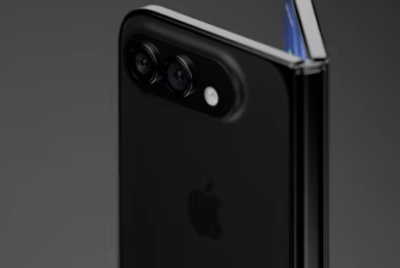
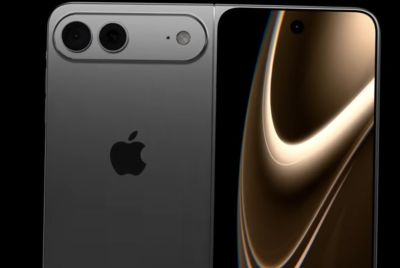
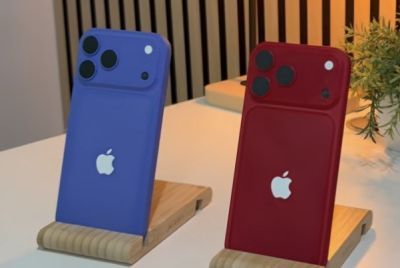
Consumer excitement is building as dummy models and CAD renders circulate online. Leaker Sonny Dickson's images show a squat, wide design when folded, distinguishing it visually from existing foldables. The device is expected to maintain Apple's signature premium materials, including glass and titanium elements.
Market analysts believe the foldable iPhone could expand Apple's addressable market by appealing to users seeking larger screens without carrying a separate tablet. However, the high price point may limit initial volume, with supply expected to be constrained at launch.
The broader smartphone industry has seen foldables gain traction, with Samsung, Google, Huawei and others shipping millions of units. Apple's delayed entry allows it to learn from competitors' challenges while leveraging its ecosystem advantages, particularly seamless integration between iPhone and iPad software features.
For loyal Apple customers, the foldable represents both opportunity and uncertainty. Many have waited years for the company to validate the category, and expectations are high for a polished, reliable product that justifies the premium cost.
As development continues, Apple is likely conducting extensive durability testing on the hinge mechanism — historically a weak point in foldables. The company's reputation for meticulous engineering suggests it will not release the device until it meets internal standards for longevity and everyday usability.
The foldable iPhone also fits into Apple's larger hardware strategy, which increasingly blurs lines between iPhone, iPad and even Mac products. A device that functions as both phone and mini-tablet could reduce the need for multiple gadgets for some users.
Retail strategy remains unclear, but the device will likely debut in Apple Stores with hands-on demonstrations to showcase the folding experience. Strong pre-order demand could lead to initial shortages, a common occurrence with major new iPhone categories.
Looking further ahead, future iterations may address remaining limitations such as thickness when folded and overall weight. A lighter, more compact version could follow in subsequent years if the first model gains market acceptance.
For now, the 2026 foldable iPhone stands as one of the most anticipated consumer electronics releases of the year. Its success could reshape not only Apple's product lineup but also the broader smartphone industry's direction toward more versatile, screen-expanding designs.
As summer approaches and the fall launch window nears, more details are expected to emerge from supply chain partners and analysts. Until then, the rumor mill continues fueling speculation about what could be Apple's most ambitious iPhone yet.
© Copyright 2026 IBTimes AU. All rights reserved.
- Recommended For You