(VIDEO) Apple's Long-Rumored Foldable iPhone Edges Closer to Reality With Fresh Leaks
March 12, 2026 — Apple's highly anticipated entry into the foldable smartphone market is gaining momentum, with recent leaks and analyst reports painting a clearer picture of the device's design, pricing and timeline. The company, which has long resisted the foldable trend dominated by Samsung and others, appears poised to launch its first foldable iPhone — likely dubbed the iPhone Fold — in fall 2026, potentially alongside the iPhone 18 series.

The latest developments come amid a flurry of supply-chain insights and visual leaks that suggest Apple is finalizing key elements after years of speculation. Bloomberg's Mark Gurman, in his recent Power On newsletter, indicated the device could arrive at a starting price of roughly $2,000, aligning it closely with premium competitors like Samsung's Galaxy Z Fold lineup, which launched its latest model at $1,999.
This pricing positions the iPhone Fold as a high-end "Ultra" product in Apple's ecosystem, joining ranks with devices like the Apple Watch Ultra and high-performance M-series chips. Gurman described it as a standout in a potential expanded "Ultra" category for 2026, emphasizing its premium features and role in driving innovation.
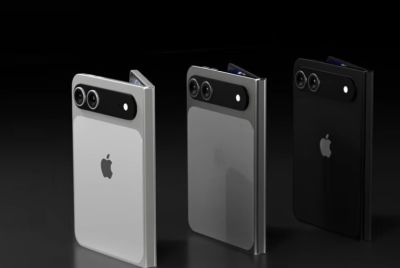
Recent visual evidence has bolstered expectations. Longtime Apple leaker Sonny Dickson shared what appear to be 3D CAD renderings of the device on social media, showing a restrained, minimalist design consistent with Apple's aesthetic. The images align with earlier CAD-based leaks reported by GSMArena late last year, depicting a book-style foldable with clean lines, no prominent crease when unfolded and a form factor that balances phone-like usability when closed with tablet-like functionality when open.
Analysts widely expect the iPhone Fold to feature a 5.5-inch external display — smaller than standard iPhone screens for easier one-handed use — and a larger 7.8-inch inner display with a near-square 4:3 aspect ratio. This setup would transform the device into a compact tablet for media consumption, productivity or multitasking, addressing a key limitation in current slab-style iPhones.
A major focus for Apple has been minimizing the visible crease that plagues many foldables. Reports indicate the company has tapped Samsung Display as the exclusive supplier for its foldable OLED panels, citing Samsung's advancements in crease reduction technology. Mass production of these displays is reportedly slated to begin around mid-2026, syncing with Apple's typical fall launch window.
Other rumored specs include advanced display technologies like Color Filter on Encapsulation (CoE) for brighter, slimmer screens and improved battery efficiency. One leak suggested a substantial 5,500-mAh battery, potentially the largest in any iPhone to date, to support the power demands of dual displays and enhanced performance.
Apple has reportedly moved away from alternative designs. A recent Weibo leak from Instant Digital claimed the company evaluated but ultimately rejected a clamshell-style flip phone — similar to Motorola's Razr or Samsung's Z Flip series — deeming it unnecessary. The primary appeal of a flip design would be compactness when closed, but Apple concluded it offered no compelling new use cases beyond size reduction. Instead, compromises like a limited rear camera system made it unviable; a smaller traditional slab phone could achieve similar goals without folding mechanics.
Development appears on track despite earlier concerns about production hurdles. Analyst Ming-Chi Kuo, a prominent Apple supply-chain watcher, has maintained that mass production is targeted for the second half of 2026, with initial shipments potentially limited due to yield challenges. Kuo previously forecasted 3 to 5 million units in the first year, scaling up significantly in 2027 alongside a possible second-generation model.
Foxconn, Apple's longtime assembly partner, is said to have entered the new product introduction phase, with component stockpiling underway. While some earlier reports floated potential delays to 2027 over hinge or design decisions, current indicators — including synchronized display production timelines with the iPhone 18 Pro models — point to a September unveiling.
The foldable iPhone represents a strategic pivot for Apple as it seeks fresh growth drivers amid maturing smartphone sales. Positioned as an AI-driven, top-tier device, it could leverage Apple's ecosystem strengths in software optimization, privacy and integration with services like Apple Intelligence.
Competitors have already matured the category. Samsung's Galaxy Z Fold series has iterated through multiple generations, addressing durability, crease visibility and multitasking. Google's Pixel Fold and other entrants have added pressure, but Apple's delayed entry allows it to learn from rivals' missteps while applying its signature polish.
Consumer expectations are high. Leaks suggest Apple prioritizes a crease-free experience, robust build quality (possibly incorporating titanium elements) and seamless iOS adaptations for foldable workflows. Features like enhanced multitasking, larger virtual keyboards and optimized app layouts could differentiate it.
At $2,000 or more, the device will target premium buyers willing to invest in novelty and utility. It may not immediately disrupt mass-market sales but could appeal to power users, creators and those seeking a hybrid phone-tablet experience without carrying separate devices.
As leaks intensify in the coming months — typical for late-stage CAD sharing with accessory makers — more details on cameras, processors and exact naming (iPhone Fold, iPhone Ultra or similar) are expected. For now, the consensus among analysts and insiders is clear: Apple's foldable era begins in 2026, marking one of the company's most ambitious hardware leaps in years.
© Copyright 2026 IBTimes AU. All rights reserved.
- MOST POPULAR IN Technology