(VIDEO) Apple's Long-Awaited Foldable iPhone Nears Reality: 2026 Launch Expected Amid Premium Pricing
After more than a decade of speculation, Apple's first foldable iPhone appears poised for a debut later this year, with supply-chain reports, analyst forecasts and recent leaks converging on a fall 2026 release. The device, widely referred to as the iPhone Fold, is expected to join the iPhone 18 lineup alongside the Pro and Pro Max models, marking Apple's bold entry into the foldable smartphone market long dominated by Samsung, Google and Huawei.

Industry observers view the move as a potential game-changer, with Apple aiming to address persistent pain points in foldables—such as visible creases, durability concerns and battery drain—while commanding a premium price tag. Analysts project the iPhone Fold could drive significant upgrades across Apple's ecosystem and boost overall iPhone sales by double-digit percentages in 2026.
Here are the key details emerging from the latest reports as the company finalizes its ambitious new form factor.
1. **Confirmed Development and Timeline**
Multiple credible sources, including Bloomberg's Mark Gurman and analyst Ming-Chi Kuo, have affirmed Apple's active work on a book-style foldable iPhone. Mass production is slated for the second half of 2026, with Foxconn and other partners ramping up component stockpiling. Gurman has indicated a fall launch window, likely September, aligning with Apple's traditional iPhone event cycle. While some earlier concerns raised the possibility of a 2027 delay due to hinge design decisions, recent updates suggest the project remains on track for 2026.
2. **Design: Book-Style with Minimal Crease**
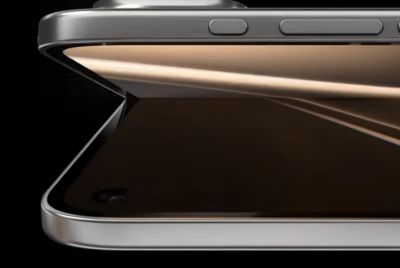
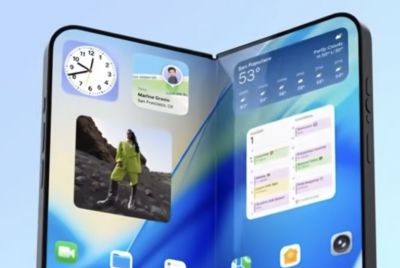
The iPhone Fold will feature a book-style fold, opening vertically to reveal a large inner display while closing to a compact form. Rumors point to an approximately 7.8-inch inner OLED screen and a 5.5-inch outer display. Kuo has emphasized Apple's focus on thinness, targeting around 4.5-4.8mm unfolded and 9-9.5mm folded—thinner than most current foldables. A key differentiator is the near-crease-free experience, achieved through advanced hinge technology using liquid metal and stress-distributing components. Leaks from China claim the crease depth is under 0.15mm with a fold angle below 2.5 degrees, potentially making it the closest to truly seamless yet seen in the category.
3. **Display Technology and Durability**
Apple is reportedly testing protective films, including clear polyimide (CPI) alongside traditional PET, to enhance scratch resistance and longevity. The inner screen is expected to use cutting-edge coating and engineering to minimize visible folding wear over time. Suppliers like Samsung Display are believed to be providing the panels, with production of foldable-specific components already underway. This addresses one of the biggest criticisms of existing foldables: fragile, easily damaged screens.
4. **Battery Life Breakthrough**
One of the most exciting rumors centers on battery capacity. Leaks suggest the iPhone Fold could feature Apple's largest-ever battery, exceeding 5,500 mAh—surpassing even the iPhone 17 Pro Max's 5,088 mAh. This would counter the typical foldable drawback of split or constrained batteries that limit endurance. By prioritizing a single large cell and optimizing power management for dual-screen use, Apple aims to deliver all-day performance comparable to or better than its slab iPhones.
5. **Camera System and Biometrics**
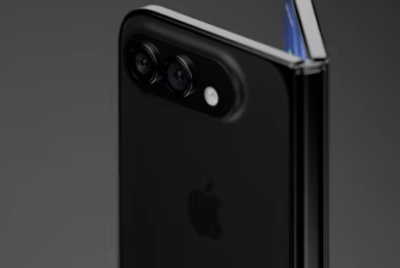
The device is rumored to include four cameras: dual rear lenses, an inner-facing camera for video calls and selfies, and a front-facing one on the cover display. Notably, it will ditch Face ID in favor of Touch ID integrated into the power button—a shift seen in recent iPads to save space in the slim chassis. This decision frees up internal room while maintaining secure authentication.
6. **Connectivity and Modem**
Apple's custom C2 modem, supporting advanced cellular speeds, is expected to power the foldable. The device will rely exclusively on eSIM, eliminating the physical SIM slot—a first for iPhones. This aligns with Apple's push toward fully digital connectivity and could streamline the design further.
7. **Materials and Build**
The frame will combine titanium and aluminum for durability and lightness, expanding Apple's use of premium metals seen in recent Pro models. The hinge is a focal point, engineered for reliability and smoothness without compromising the thin profile.
8. **Pricing and Market Positioning**
Expectations place the iPhone Fold in ultra-premium territory, with estimates ranging from $2,000 to $2,500—potentially the most expensive smartphone Apple has ever sold. This reflects the advanced materials, custom components and R&D investment. Analysts like Kuo anticipate initial shipments of 8-10 million units, signaling confidence in demand despite the high cost.
9. **Impact on 2026 iPhone Lineup**
The foldable's priority may reshape Apple's annual release strategy. Reports indicate the standard iPhone 18 could be delayed to early 2027, with only Pro models and the Fold launching in fall 2026. This shift underscores the device's importance as a flagship innovation. Apple reportedly forecasts a 10% sales increase across the iPhone lineup, driven by upgrade enthusiasm for the new form factor.
10. **Future Outlook and Competition**
The iPhone Fold arrives years after competitors established the category, but Apple's entry could legitimize foldables for mainstream users. A follow-up clamshell-style model (potentially an iPhone Flip) is already in discussion for later years. Success here could accelerate Apple's foldable ambitions, including rumored foldable iPads or MacBooks. For now, anticipation builds as prototypes move toward production, with leaks expected to intensify in the coming months.
As March 2026 progresses, the foldable iPhone remains one of the most anticipated Apple products in years. While no official confirmation has come from Cupertino, the mounting evidence points to a transformative device that could redefine premium smartphones—if Apple delivers on its promises of durability, battery life and seamless design.
© Copyright 2026 IBTimes AU. All rights reserved.
- Recommended For You