Foldable iPhone vs Galaxy Z Fold 8: Can Apple's First Try Beat Samsung's 2026 Flagship?
SAN FRANCISCO — As the foldable smartphone market matures in 2026, all eyes are on Apple's long-awaited entry into the category. Rumors suggest the company's first foldable device — potentially dubbed the iPhone Fold or iPhone Ultra — could launch in September or December alongside or shortly after the iPhone 18 lineup, directly challenging Samsung's Galaxy Z Fold 8, expected in July.

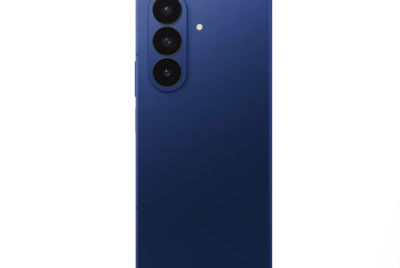
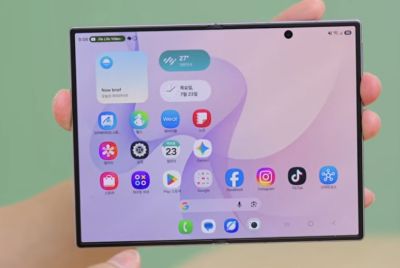
Samsung has dominated book-style foldables since debuting the original Galaxy Fold in 2019, refining hinges, displays and software over seven generations. The Galaxy Z Fold 7 brought notable improvements in thinness and lightness, but the upcoming Z Fold 8 — and a rumored wider "Wide Fold" variant — aims to address lingering complaints like visible creases, battery life and camera capabilities.
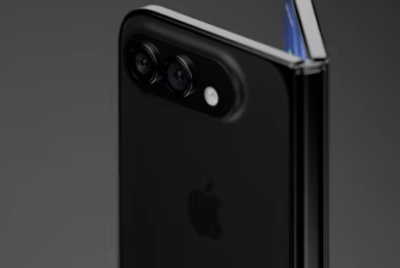
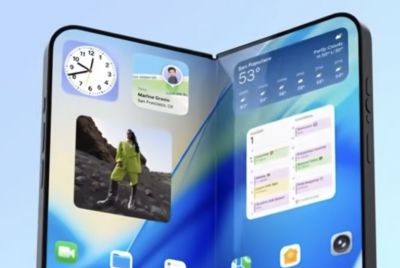
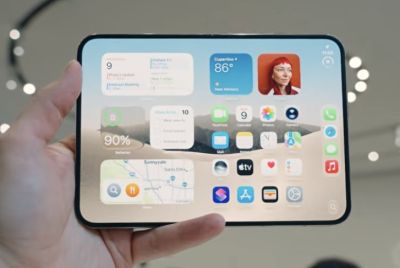
Apple, known for entering markets late but often redefining them, has taken years to perfect its foldable. Analysts say the device will feature a book-style design with a 7.8-inch inner OLED display and a 5.5-inch outer screen when folded. Early dummy models and leaks point to an ultra-slim profile: roughly 9-9.5 mm thick when closed and as thin as 4.5-4.8 mm when unfolded, potentially making it one of the slimmest foldables yet.
Display and Crease: Apple's Potential Edge
One of the biggest differentiators could be the display. Samsung has made strides with dual ultra-thin glass (UTG) layers and laser-drilled supports on the Z Fold 8 to reduce creasing, but a noticeable fold line often remains. Apple is rumored to prioritize a near-crease-free experience using advanced ultra-thin glass or coating technologies, possibly licensed or developed in-house. Supply chain reports suggest the inner screen could feel closer to a traditional flat panel, enhancing the tablet-like experience when unfolded.
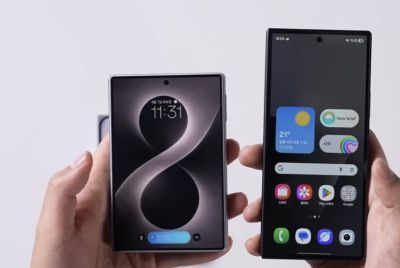
The aspect ratio also aligns closely with Samsung's rumored Wide Fold variant, shifting toward a more square 4:3 inner display for better productivity and media consumption — moving away from the taller, narrower screens of earlier Z Folds. Apple's outer display at 5.5 inches would be smaller than the Z Fold 8's expected 6.5-inch cover screen, potentially making the folded device feel more like a conventional iPhone for quick tasks.
Build Quality and Durability
Apple is expected to use a premium titanium alloy frame paired with a robust stainless steel and titanium hinge for structural integrity. The design reportedly includes a side-mounted Touch ID button instead of Face ID to save space in the folded form factor. Water and dust resistance ratings remain unclear, but Apple's history with meticulous engineering could deliver class-leading durability out of the gate.
Samsung counters with years of real-world testing. The Z Fold 8 is tipped for further hinge refinements, lighter materials and possibly improved IP ratings. A "Wide Fold" model could offer even more versatility, with leaks showing broader external and internal displays to rival Apple's proportions directly.
Performance and Software
Powering the iPhone Fold would likely be Apple's A20 Pro chip on a 2nm process, promising exceptional efficiency and raw performance. Integration with iOS — optimized for the foldable form — could deliver seamless multitasking, though Apple's approach has historically been more conservative than Samsung's DeX-like productivity features or advanced split-screen capabilities on One UI.
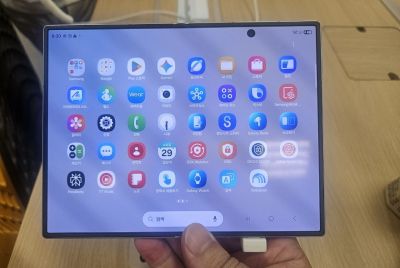
Samsung's Galaxy Z Fold 8 is expected to run One UI 9 based on Android 17, powered by a Snapdragon 8 Elite Gen 5 or similar flagship chipset. The software has matured significantly, supporting multi-window apps, drag-and-drop and S Pen compatibility on some models. Samsung's ecosystem also includes tighter integration with Galaxy Watch, Buds and tablets.
Battery, Charging and Cameras
Battery life has been a pain point for foldables. The iPhone Fold is rumored to pack a massive 5,500 mAh battery — larger than many current flagships — which, combined with Apple's efficiency optimizations, could deliver all-day usage even with the power-hungry foldable display. Charging speeds, however, may lag behind Android rivals.
Samsung is addressing this with a larger dual-cell battery (around 4,800-5,000 mAh on the Z Fold 8) and faster 45W wired charging. Camera systems could favor Samsung: leaks point to a 200MP main sensor, upgraded ultrawide and telephoto options, giving the Z Fold 8 a versatile photography edge. Apple is expected to stick with a dual or triple rear camera setup emphasizing computational photography and video quality, consistent with iPhone strengths.
Price and Market Impact
Pricing remains a key question. The Galaxy Z Fold 8 is likely to start around $1,999, similar to predecessors. Apple's foldable could command a premium, with estimates ranging from $2,000 to $2,400 — potentially 20% more expensive — reflecting Apple's margins and premium positioning. Some analysts predict it could outsell all of Samsung's foldables combined in its debut year due to the massive iPhone user base ready to upgrade within the ecosystem.
Early market reactions are mixed. Some iPhone loyalists express excitement about finally getting a foldable without switching platforms, while Android enthusiasts argue Samsung's experience gives it the advantage in refinement and features. A SellCell survey of iPhone owners indicated significant interest in foldables, but many remain hesitant to leave iOS.
Challenges and Uncertainties
Apple faces engineering hurdles typical of first-generation foldables. Recent reports highlighted potential delays due to issues in the engineering validation phase, though Bloomberg's Mark Gurman maintains the device is on track for a September debut, with possible limited initial supply. Trial production has reportedly begun at Foxconn, signaling progress.
Samsung, meanwhile, is accelerating improvements across its foldable lineup partly in response to Apple's impending arrival. The Z Fold 8 and Wide Fold could incorporate lessons from years of iteration, including better crease reduction and camera upgrades.
Industry watchers note that Apple rarely nails a category on the first attempt but often sets new standards through polish, ecosystem synergy and marketing. Samsung's response — including the wider variant — shows the competitive pressure is already driving innovation.
The Bigger Picture for Foldables
The 2026 showdown could accelerate foldable adoption. Global shipments have grown steadily, and Apple's entry is expected to legitimize the form factor for mainstream consumers wary of early reliability concerns. Analysts project the category could expand significantly if the iPhone Fold delivers a premium, worry-free experience.
For consumers deciding between the two, it may come down to ecosystem preference. iOS users valuing seamless continuity, privacy features and long-term software support might lean toward Apple. Android enthusiasts seeking expansive multitasking, stylus support and more aggressive hardware specs could stick with or switch to Samsung.
As both devices near launch, real-world testing will be decisive. Durability under daily folding, display quality in varied lighting, battery endurance during heavy use and camera performance in real scenarios will determine which device feels "better."
Apple's foldable iPhone represents a high-stakes bet: enter late, but enter perfectly. Samsung aims to defend its lead with iterative excellence and aggressive feature additions. Whether the newcomer can outperform the veteran on its first attempt remains one of the most intriguing questions in consumer tech for 2026.
With conflicting timelines and evolving leaks, the coming months will bring clearer details. For now, the competition promises to push foldable technology forward, benefiting users regardless of which device ultimately wins their loyalty.
© Copyright 2026 IBTimes AU. All rights reserved.
- Recommended For You