iPhone Fold vs Galaxy Z Fold 8: Worth Waiting for Apple's 2026 Debut or Buy Samsung Now?
A detailed comparison of Samsung's Galaxy Z Fold 8 and Apple's upcoming iPhone Fold, highlighting features, pricing, and ecosystem integration.

NEW YORK — Foldable smartphone buyers in mid-2026 face a clear dilemma: purchase Samsung's refined and immediately available Galaxy Z Fold 8 or hold out several months for Apple's long-rumored first foldable iPhone, expected in the fall. With the Galaxy Z Fold 8 already delivering proven hardware and mature software, while Apple's entrant promises premium polish at a steep price, the decision hinges on urgency, ecosystem loyalty and tolerance for first-generation risks.
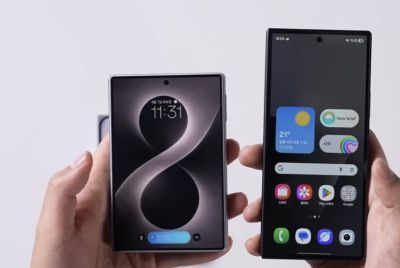
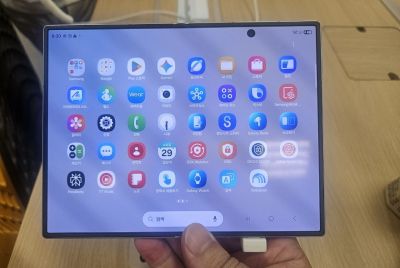
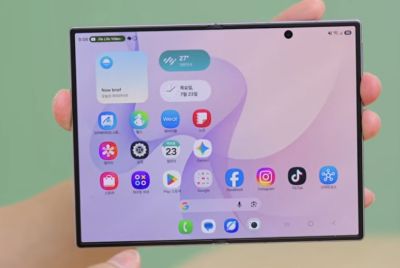
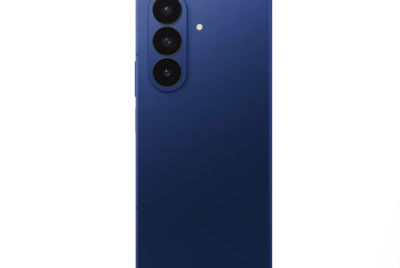
Samsung's Galaxy Z Fold 8, launched in summer 2026, represents the culmination of seven generations of iterative improvements. It features an 8-inch inner display with a near-invisible crease, a 6.5-inch cover screen for full smartphone functionality when closed, and a triple-camera system headlined by a 200-megapixel main sensor. Powered by the latest Snapdragon 8 Elite chipset, it delivers smooth multitasking with Samsung's DeX mode and excellent battery life. Priced starting around $1,999, the Fold 8 is widely available now with carrier deals and trade-in offers that can lower the effective cost significantly.
Early reviews praise the Z Fold 8's durability upgrades, including stronger hinge mechanisms and IPX8 water resistance. Software optimizations allow seamless app continuity between folded and unfolded states, making it a genuine productivity tool for note-taking, multitasking and media consumption. Samsung's ecosystem integration with Galaxy Watch, Buds and tablets adds further value for Android users. For buyers needing a foldable today, the Galaxy Z Fold 8 is the safe, battle-tested choice with immediate gratification.
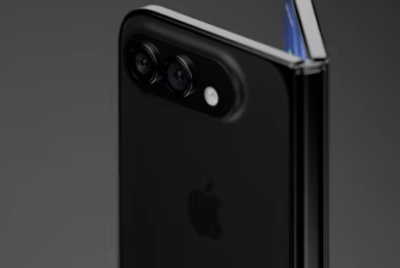
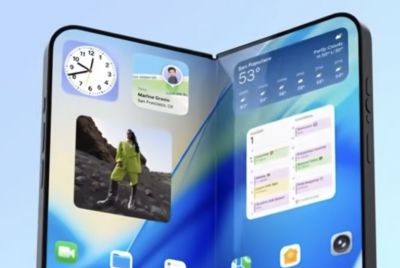
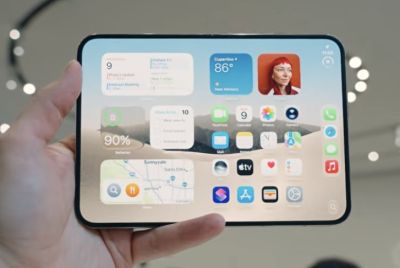
Apple's foldable, widely expected to launch as the iPhone Fold or iPhone Ultra in September 2026 (with possible December availability), takes a different approach. Rumors point to a book-style design with a nearly crease-free 7.8-inch inner display and a 5.5-inch outer screen. Apple is said to have prioritized an ultra-thin profile — potentially under 5mm when open — using advanced hinge technology and specialized OLED panels supplied exclusively by Samsung Display for the first year. Pricing is expected to start above $2,000, potentially reaching $2,400 for higher configurations, reflecting premium materials and Apple's typical markup.
The iPhone Fold's biggest selling points will likely be its seamless integration with the Apple ecosystem, refined iOS multitasking tailored for the larger screen, and the company's legendary attention to hardware-software harmony. Expect features like Stage Manager-style productivity tools, effortless continuity with Mac and iPad, and a polished user experience that minimizes the learning curve common with current foldables. However, as a first-generation device, it may ship with compromises: fewer cameras than the Z Fold 8, potential supply constraints at launch, and the typical teething issues of new form factors.
Analysts are divided on whether waiting is worthwhile. Those recommending the Galaxy Z Fold 8 now highlight Samsung's years of refinement, broader app optimization for foldables, and the ability to enjoy the technology immediately. Buyers who need a large screen for work, media or travel can benefit from current deals and avoid the uncertainty of Apple's launch timeline. Trade-in programs make upgrading relatively affordable, and Samsung's frequent software updates ensure longevity.
Conversely, Apple loyalists deeply embedded in the ecosystem — with MacBooks, iPads, Watches and AirPods — may find waiting rewarding. The iPhone Fold could set a new standard for premium foldables, much like the original iPhone redefined smartphones. Its near-crease-free design, titanium elements and potential under-display camera technology could deliver a more elegant experience. For those who can manage with their current phone for another four to six months, the wait may yield superior long-term satisfaction and resale value.
Key factors to consider in the decision include budget, timeline and priorities. If immediate productivity and a mature foldable experience matter most, the Galaxy Z Fold 8 wins. Samsung's device already excels in photography, with superior zoom capabilities and versatile shooting modes that the rumored dual-camera iPhone Fold may not match. Battery life and software customization also tilt toward Samsung currently.
For users prioritizing polish, ecosystem synergy and future-proofing within Apple's walled garden, holding out for the iPhone Fold makes sense. Apple's history shows it often enters categories late but elevates them through refinement. However, early supply may be limited, and the high price could restrict it to a luxury segment.
Real-world testing of current foldables shows they excel for specific use cases: reading documents, watching videos, multitasking and note-taking. Casual users may not need the larger screen enough to justify the cost and durability concerns inherent to the category. Both devices still carry risks of hinge wear, screen creasing over time and higher repair costs compared to slab phones.
The broader market context favors waiting only if you are not in urgent need. Foldable adoption continues growing, but prices remain premium. Samsung's Z Fold 8 offers the best balance of features and availability right now, while Apple's entry could validate and expand the category with mainstream appeal. Buyers should assess their current device's condition — if it still performs well, waiting until September for hands-on reviews of the iPhone Fold is advisable.
Ultimately, there is no universal "best" choice. Android enthusiasts and those wanting a foldable immediately should buy the Galaxy Z Fold 8. Dedicated Apple users with patience and budget should consider waiting for the iPhone Fold's refined approach. For everyone else, evaluating real needs against the substantial cost of either device remains the wisest path. The foldable future is here, but choosing the right moment to join it depends on personal circumstances and tolerance for cutting-edge versus proven technology.
© Copyright 2026 IBTimes AU. All rights reserved.
- Recommended For You