Apple iPhone Fold 2027: 10 Crucial Things You Must Know Before Launch
CUPERTINO, Calif. — Apple's long-awaited foldable iPhone, widely referred to as the iPhone Fold, has been delayed to 2027 as the company continues to wrestle with technical and cost challenges, according to the latest supply chain reports and analyst briefings. The news has reignited intense speculation about how Apple plans to enter the foldable smartphone market dominated by Samsung and Chinese manufacturers.

Here are 10 essential things you need to know about Apple's foldable ambitions as development progresses behind closed doors:
- Launch Now Targeted for 2027 Multiple reliable sources, including Ming-Chi Kuo and Bloomberg, confirm that Apple has pushed the iPhone Fold from an initial 2026 target to late 2027. The delay stems from persistent issues with hinge durability, screen creasing and overall user experience. Apple is unwilling to launch until it meets its famously high quality standards.
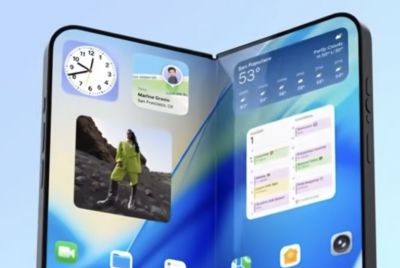
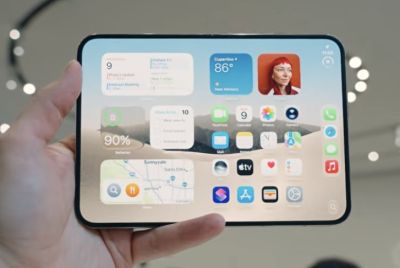
- Book-Style Design Expected The device is expected to feature a book-style fold similar to Samsung's Galaxy Z Fold series. When opened, it will offer a large tablet-like display; when closed, it will be more compact. Leaks suggest a roughly 7.5- to 8-inch internal screen and a 6.3-inch external display, with minimal bezels and a premium titanium or aluminum build.
- Extremely High Price Tag Anticipated Early estimates put the starting price well above $2,000, potentially reaching $2,500 for higher storage variants. This premium positioning reflects Apple's strategy of entering new categories at the top end, but it could limit initial mainstream adoption compared to cheaper foldables from competitors.
- Advanced Apple Silicon Powering It The iPhone Fold is rumored to use a next-generation A-series or M-series chip with significant improvements in efficiency and AI capabilities. This would allow seamless multitasking between the two displays and support for advanced Apple Intelligence features tailored for the larger screen real estate.
- Major Focus on Durability Apple engineers are reportedly obsessed with eliminating visible screen creases and ensuring the hinge can withstand hundreds of thousands of folds. Special ultra-thin glass and advanced polymer layers are being tested to create a near-seamless folding experience that feels premium rather than fragile.
- Software Optimisation Key iOS will receive significant updates to take full advantage of the foldable form factor. Expect improved multitasking, app continuity when folding and unfolding, and new productivity features similar to those on iPadOS. The software experience is expected to be a major differentiator from Android foldables.
- Competition Will Be Fierce By 2027, Samsung, Google, OnePlus, Xiaomi and Huawei will have multiple generations of foldables on the market. Apple's entry will be late but could disrupt the category through superior build quality, ecosystem integration and marketing power.
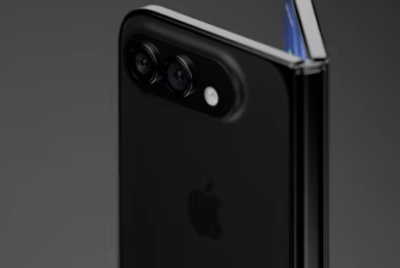
- Potential for Multiple Variants Rumors suggest Apple may launch more than one foldable model. A book-style iPhone Fold could be joined by a clamshell-style device more similar to the Galaxy Z Flip, allowing the company to target different user segments and price points.
- Sustainability and Repairability Focus Consistent with Apple's environmental goals, the iPhone Fold is expected to feature high recycled material content and improved repairability. The company is reportedly working on modular components to make hinge and screen repairs more feasible than current foldables.
- Game-Changing Potential If Apple nails the execution, the iPhone Fold could mainstream foldable phones in the same way the original iPhone transformed smartphones. Its success or failure will likely define the next decade of mobile device design and user expectations.
The delay to 2027 gives Apple more time to perfect what could be one of its most ambitious products since the first iPhone. While competitors have taken the early lead in foldables, Apple's history shows that entering a category later often results in redefining it entirely.
Supply chain partners Samsung Display, LG Display and BOE are competing to provide the flexible OLED panels. Samsung currently leads due to its extensive experience, but Apple is known for diversifying suppliers to reduce risk and drive down costs.
Development is reportedly being led by Apple's hardware engineering team with close involvement from design leadership. CEO Tim Cook has emphasised the need for the device to feel revolutionary rather than incremental, aligning with the company's philosophy of patience until technology is truly ready for mass market.
For consumers, the extra wait means more time to evaluate current foldables from Samsung, Google and others. Many analysts recommend waiting for Apple's version if you want the most polished experience, even if it costs more.
The iPhone Fold represents more than just a new product category for Apple — it's a statement about the future of mobile computing. As smartphones mature, foldables offer a path toward devices that can serve as both phones and mini tablets.
As 2026 progresses, expect more leaks, patent filings and eventual official teases from Apple. For now, the iPhone Fold remains one of the most anticipated unreleased devices in tech, promising to potentially reshape how we use our phones in the years ahead.
Whether it launches in early or late 2027, Apple's first foldable iPhone is shaping up to be a defining product for the company and the entire smartphone industry. The extra development time suggests the final device will aim not just to compete, but to set a new standard for what a premium foldable can be.
© Copyright 2026 IBTimes AU. All rights reserved.
- Recommended For You