Foldable iPhone 2026: 10 Key Features and Expectations for Apple's First Folding Phone
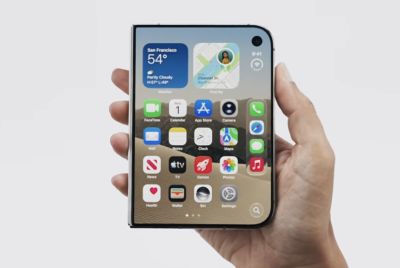
CUPERTINO, Calif. — Apple is preparing to enter the foldable smartphone market with its long-rumored iPhone Fold, expected to debut in fall 2026 as one of the most significant redesigns in the iPhone's history. Supply chain reports and analyst predictions point to a book-style device that unfolds from a compact 5.5-inch outer screen to a spacious 7.8-inch inner display, potentially rivaling an iPad mini in productivity while fitting in a pocket when closed.

Recent updates from mid-April 2026 indicate production is slightly behind schedule by one to two months, yet Apple remains on track for a September introduction alongside the iPhone 18 Pro models, with possible sales starting in late 2026 or early 2027. Bloomberg's Mark Gurman has pushed back against delay concerns, stating the device is "on track" and that fears of a 2027 launch are overblown. Trial production has begun, signaling serious commitment despite technical hurdles in hinge durability and display folding.
Here are 10 major things to expect from Apple's first foldable iPhone, based on the latest leaks and analyst reports as of April 2026.
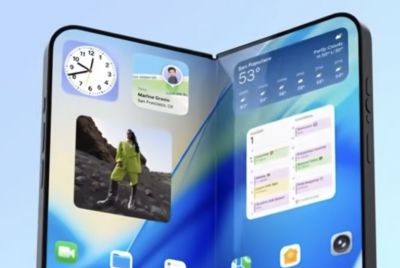
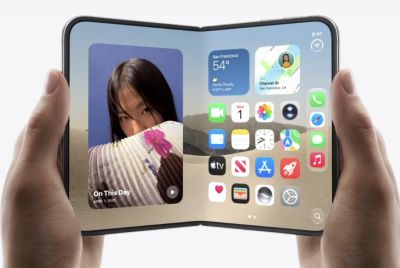
- Book-Style Design with Minimal Crease The iPhone Fold is widely expected to adopt a book-style fold rather than a clamshell flip. When closed, it will measure roughly 5.5 inches on the outer display; when opened, the inner screen expands to about 7.8 inches with a near-square 4:3 aspect ratio similar to the iPad mini. Apple has invested heavily in advanced hinge technology and ultra-thin foldable OLED panels to minimize or eliminate the visible crease that plagues competitors like Samsung's Galaxy Z Fold series. Reports suggest the crease could be as shallow as one-quarter the depth seen in current Android foldables, delivering a smoother, more tablet-like experience.
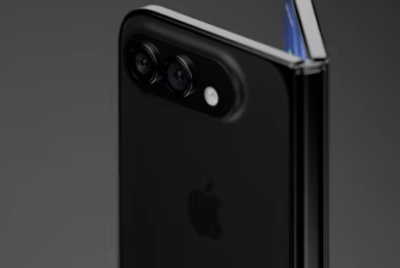
- Ultra-Thin Profile Thickness is a major focus. Rumors point to the device measuring just 4.5 to 4.8 mm when fully unfolded and around 9.5 mm when folded — potentially making it Apple's thinnest iPhone ever. Achieving this slimness requires high-density battery cells and a lightweight yet durable chassis, likely combining titanium and aluminum alloys for strength without added bulk.
- Touch ID Instead of Face ID Because the ultra-thin design leaves little room for the TrueDepth camera system required for Face ID, the foldable iPhone is expected to rely on a side-button Touch ID sensor, similar to recent iPad Air and Pro models. This shift could feel like a step back for some users accustomed to facial recognition, but it simplifies the engineering challenges of a folding form factor.
- Powerful A20 Chip and Ample RAM Performance is not expected to disappoint. The device will likely debut Apple's A20 Pro processor, built on TSMC's advanced 2nm process node for improved efficiency and power. Leaks suggest 12GB of RAM to support demanding multitasking on the larger inner screen, positioning the foldable as a true productivity tool rather than just a bigger phone.
- Massive Battery Capacity To power the dual displays and high-performance internals, Apple is rumored to equip the iPhone Fold with the largest battery ever in an iPhone — between 5,400 mAh and 5,800 mAh. This would surpass the current iPhone 17 Pro Max's approximately 5,088 mAh capacity and help offset the energy demands of a foldable OLED panel while maintaining all-day usage.
- Dual 48MP Rear Cameras Photography remains central to the iPhone experience. The foldable is expected to feature a dual rear camera system consisting of two 48MP lenses: a main wide-angle sensor with sensor-shift optical image stabilization and an ultra-wide lens. A high-resolution under-display front camera — possibly 24MP — could appear on the inner screen for seamless video calls whether folded or open. No telephoto lens is rumored for the initial model, keeping the camera array simpler than on Pro Max models.
- Premium Pricing Above $2,000 Early estimates place the iPhone Fold at a starting price of $2,000 to $2,500, reflecting its advanced engineering, larger displays and positioning as a new flagship tier — possibly even marketed as an "iPhone Ultra." That would make it significantly more expensive than current iPhone Pro models and put it in direct competition with high-end Android foldables.
- Enhanced iOS Multitasking Software will be critical. iOS 27 or a dedicated update is expected to introduce robust split-screen and multitasking features optimized for the larger inner display, allowing users to run apps side by side, drag and drop content, or use the device more like a mini tablet. This could be one of the biggest software overhauls in years, addressing a key limitation that has held back foldables from mainstream adoption.
- Durable Materials and Hinge Durability concerns have long dogged foldables. Apple is reportedly using a stainless steel and titanium alloy hinge combined with a liquid metal or advanced polymer display layer to improve longevity and reduce creasing over time. The chassis will emphasize premium build quality, with expectations of strong water and dust resistance ratings consistent with recent iPhone Pro models.
- Strategic Launch Timing and Availability Apple plans to unveil the foldable iPhone in September 2026 during its annual event, likely alongside the iPhone 18 Pro and Pro Max. However, actual shipments could slip to December 2026 or early 2027 due to production complexities, following a pattern Apple has used before with major redesigns like the iPhone X. Initial supply may be limited, with analysts forecasting cautious volume in the first year as the company gauges demand for such a premium device.
The arrival of a foldable iPhone would mark Apple's most ambitious hardware departure since the original iPhone in 2007 or the notch-to-Dynamic Island transition. While competitors have sold millions of foldables, Apple's entry is expected to legitimize the category further with superior build quality, software integration and ecosystem advantages.
Challenges remain. Production delays have already surfaced, with some reports noting a one-to-two-month pushback in certain components. Crease visibility, hinge reliability over thousands of folds, and the high price could limit mass appeal initially. Battery life on dual screens and the absence of Face ID are potential pain points that Apple must address to win over skeptics.
Still, excitement is building. Dummy models and leaked specifications suggest a device that feels more like a hybrid phone-tablet than a gimmick. When closed, it could function as a compact daily driver; when open, it offers productivity potential for note-taking, multitasking, reading or watching content in a larger format.
Analysts predict the foldable could eventually spawn additional models, including a cheaper clamshell "iPhone Flip" in future years. For 2026, however, all eyes are on this first book-style entry as Apple's bold bet on the next evolution of the smartphone.
As trial production ramps up and more concrete leaks emerge in the coming months, the iPhone Fold is shaping up to be the most talked-about Apple product of the year. Whether it lives up to the hype or faces the typical first-generation growing pains of foldables will determine if Apple can redefine the category the way it has with so many previous innovations.
Consumers eager for a folding iPhone will need patience. With a likely announcement in September and possible holiday availability, 2026 could finally deliver the foldable future many have been waiting for — wrapped in Apple's signature polish and ecosystem magic.
© Copyright 2026 IBTimes AU. All rights reserved.
- Recommended For You