Google Fitbit Air Review Praises Lightweight Design and AI Coaching in Screenless Tracker
Discover how Google's Fitbit Air is redefining screenless fitness tracking with AI-driven insights and affordability.
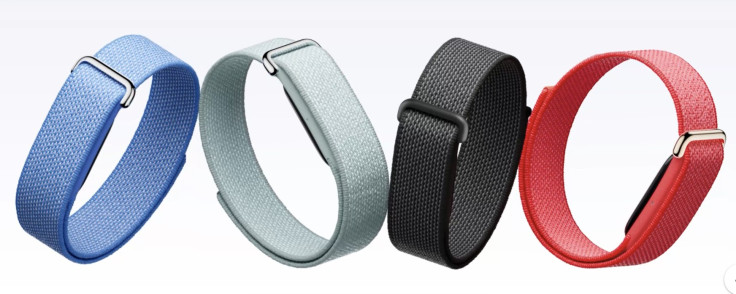
NEW YORK — Google's new Fitbit Air is drawing strong early reviews as a comfortable, affordable alternative to subscription-heavy screenless fitness trackers like Whoop, earning an 8.8 out of 10 rating from Engadget for its lightweight build and comprehensive health insights powered by artificial intelligence.
Released on May 26, 2026, the Fitbit Air is Google's smallest and most accessible tracker yet, priced at $99.99 with a three-month trial of Google Health Premium. The device targets users seeking discreet 24/7 monitoring without the distraction of a screen, focusing instead on advanced sensors and AI-driven analysis through the Google Health app.
Weighing just 12 grams with its band, the Fitbit Air prioritizes comfort for all-day and overnight wear. It features optical heart rate monitoring, SpO2 blood oxygen tracking, sleep stage analysis and automatic workout detection. Battery life reaches up to seven days, with fast charging capabilities that deliver a full day's use from just five minutes plugged in.
AI Coach Delivers Personalized Insights with Occasional Glitches
A standout feature is the AI Coach in the Google Health app, which provides contextual feedback on workouts, recovery and daily readiness. Reviewer Cherlynn Low described an instance where the AI responded to a logged HIIT session after a poor night's sleep.
"You clearly didn't get the memo about taking it easy today," the AI initially noted, before adjusting to a milder summary: "Adjusted your HIIT session details."
Low described the interaction positively, noting the AI's chiding tone was more amusing than off-putting. The system analyzes metrics such as 41 minutes in vigorous cardio zones and a peak heart rate of 169 bpm, offering users motivational yet data-backed guidance.
However, reviewers have noted occasional glitches in the AI functionality, describing it as sometimes overly aggressive or inconsistent in tone. This remains a minor drawback in an otherwise polished experience.
Strong Competition for Whoop and Other Screenless Devices
The Fitbit Air enters a growing category of minimalist wearables designed for users who prefer data collection without constant notifications. It directly challenges Whoop's model by offering core tracking features at a significantly lower upfront cost and with optional premium subscriptions.
Multiple reviews highlight its superior comfort compared to bulkier competitors. PCMag awarded it 4.5 out of 5 stars, calling it "the best all-around entry in the category" for its accurate sleep and heart rate tracking combined with standout AI coaching.
Tom's Guide described it as "the best no-fuss fitness tracker in 2026," praising its discreet design and ease of use for users who want to forget they are wearing a device.
Hardware Versatility and App Experience
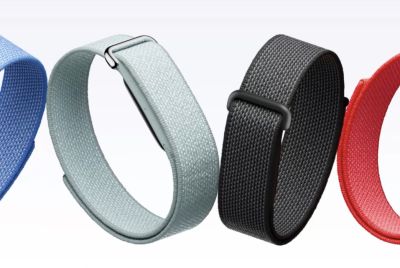
The device supports interchangeable bands, including performance loops and active styles, with limited-edition options featuring basketball star Stephen Curry. Its thin profile and lightweight construction make it suitable for sleep tracking without discomfort, a common pain point with larger wearables.
The companion Google Health app receives consistent praise for its clean interface and depth of insights. It aggregates data from the Fitbit Air and other compatible devices, such as Pixel Watches, delivering readiness scores, stress monitoring and personalized recommendations. Users on both Android and iOS can access the full feature set.
Market Context and Google's Health Strategy
The Fitbit Air launch reflects Google's continued investment in health technology following its acquisition of Fitbit. By focusing on affordable, screenless options, the company aims to broaden access to advanced tracking while integrating deeply with its broader ecosystem of services.
Analysts see potential for the device to attract users deterred by higher-priced competitors or those overwhelmed by feature-rich smartwatches. Early sales indicators and pre-order interest suggest strong demand in the growing wellness technology segment.
Who Should Consider the Fitbit Air
The tracker appeals most to fitness enthusiasts seeking detailed recovery metrics without screen distractions. Its automatic workout detection and long battery life make it practical for everyday use, while the AI coaching adds a layer of personalization that evolves with user data over time.
Casual users may appreciate the lower price point and optional subscription model compared to devices requiring ongoing fees for full functionality. Those already in the Google ecosystem will benefit from seamless integration with other health data sources.
Limitations include reliance on the app for all interactions and occasional AI inconsistencies. Users expecting advanced navigation or on-device displays will need to look elsewhere, such as traditional smartwatches.
Broader Implications for Wearable Technology
The positive reception of the Fitbit Air signals a maturing market for minimalist health trackers. As AI capabilities improve, devices like this could make sophisticated wellness monitoring accessible to mainstream consumers rather than just dedicated athletes.
Google's approach balances hardware simplicity with software sophistication, potentially setting a template for future wearables. As competition intensifies from brands like Whoop, Oura and traditional Fitbit lines, innovation in comfort, battery life and intelligent insights will likely drive the category forward.
Early reviews suggest the Fitbit Air successfully delivers on its promise of effortless health tracking. With its combination of affordability, comfort and AI features, the device positions Google as a serious contender in the screenless wearable space. As more users test the device in real-world conditions, its long-term value will become clearer, particularly regarding AI reliability and sustained user engagement.
For those seeking a low-maintenance way to monitor fitness and recovery, the Fitbit Air offers a compelling option that prioritizes substance over flashy hardware. Its strong debut reviews indicate Google has struck a meaningful balance between simplicity and advanced functionality in the evolving world of personal health technology.
© Copyright 2026 IBTimes AU. All rights reserved.
- Recommended For You