Apple's Foldable iPhone Ultra Set to Revolutionize 2026 Lineup with Crease-Free Design and $2,000 Price Tag

CUPERTINO, Calif. — Apple is poised to enter the foldable smartphone market with its long-awaited iPhone Ultra, expected to launch in fall 2026 as a premium book-style device that could redefine mobile productivity and entertainment.
The device, frequently referred to in rumors as the iPhone Fold or iPhone Ultra, represents Apple's most significant design departure since the original iPhone. Leaks and supply chain reports point to a September 2026 unveiling alongside iPhone 18 Pro models, though full availability could slip to December due to production complexities.
Industry analysts and leakers describe a device that addresses common foldable shortcomings. When closed, the outer display measures approximately 5.3 to 5.5 inches. Unfolded, it expands to a 7.7- or 7.8-inch inner screen, slightly smaller than an iPad mini but with a wider aspect ratio suited for multitasking.
Apple has prioritized a near-crease-free experience, a persistent pain point for competitors like Samsung's Galaxy Z Fold series. The company reportedly invested heavily in advanced hinge technology and specialized display layers to achieve this. When folded, the device is rumored to measure just 4.5 millimeters thick, making it Apple's slimmest iPhone yet.
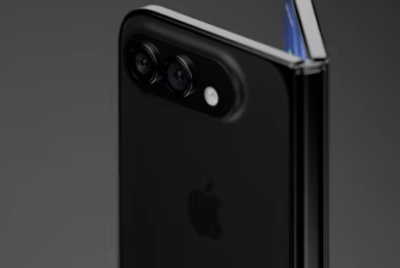
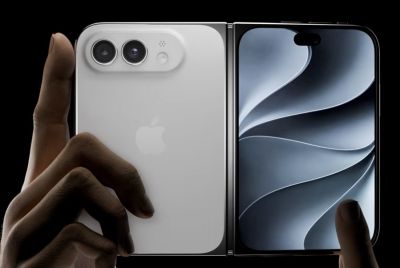
A titanium chassis is expected to provide durability without adding excessive weight. Dummy models leaked online show a squat, wide profile when open, resembling a compact tablet more than traditional phone designs. This horizontal book-style fold differs from vertical clamshell flips popularized by Motorola and Samsung.
Pricing speculation centers on a starting point above $2,000, potentially reaching $2,400 for higher configurations. That premium reflects cutting-edge materials, a sophisticated hinge and Apple's typical markup for first-generation innovations. Early production targets have reportedly been adjusted downward, but analysts still project millions of units in the first year.
Display technology forms a cornerstone of the project. Samsung Display secured a three-year exclusive deal to supply foldable OLED panels, with initial shipments of around 3 million units planned for 2026. The panels incorporate Color filter on Encapsulation technology for improved brightness and efficiency while reducing the polarizer layer.
Other suppliers like LG Display and BOE have yet to meet Apple's stringent quality standards for foldables, according to supply chain reports. This exclusivity underscores Samsung's current dominance in flexible OLED manufacturing.
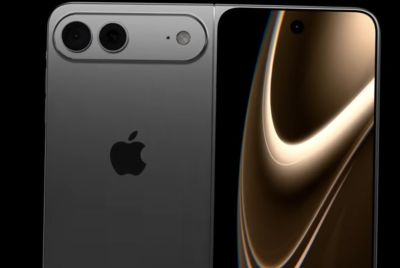
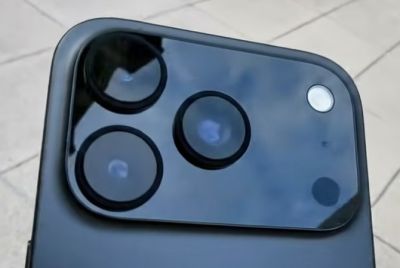
Camera configuration rumors suggest four lenses total: dual rear cameras when closed, an under-display or inner selfie camera, and additional optics optimized for the unfolded tablet-like experience. Some reports mention a Camera Control button similar to recent iPhone models.
Biometrics could mark a return to Touch ID, integrated perhaps into the power button or side, rather than relying solely on Face ID. This shift might accommodate the folding mechanism's impact on facial recognition hardware placement.
Power is expected to come from an A19 Pro or A20-series chip, paired with substantial RAM to support iPadOS-like multitasking features when unfolded. Software optimizations could allow seamless app continuity between folded and unfolded states, positioning the device as a hybrid phone-tablet.
The iPhone Ultra's development history reveals Apple's cautious approach. The company tested both book-style and clamshell designs over several years. Earlier focus reportedly leaned toward a flip-style iPhone Flip, but priorities shifted to the larger folding format for its productivity potential. A clamshell model may follow in 2027 or later.
Production timelines faced minor delays, with mass production reportedly pushed back by weeks or months. However, Bloomberg's Mark Gurman and other credible sources maintain confidence in a 2026 launch window. Engineering challenges around the hinge and durability testing contributed to the adjustments.
Consumer excitement builds around potential use cases. Creators envision editing videos or photos on the larger inner display before folding for pocketability. Business users could benefit from split-screen multitasking without carrying a separate tablet. Gaming and media consumption stand to gain from the expanded canvas.
Challenges remain. Durability concerns typical of first-generation foldables could deter early adopters, despite Apple's reputation for refinement. Battery life must span both configurations effectively. The high price may limit initial volume compared to standard iPhones.
Apple's entry could validate and accelerate the foldable category. Samsung has dominated with multiple generations of Galaxy Z devices, while Chinese manufacturers like Huawei and Vivo push boundaries in Asia. Apple's polish and ecosystem integration might attract mainstream users who previously hesitated.
Design renders circulating online, based on leaked molds and dummy units, show a premium aesthetic with minimal bezels and a seamless fold. The outer display would allow full functionality without unfolding, including notifications and quick tasks. MagSafe compatibility appears retained.
Analysts debate market impact. Some forecast the foldable iPhone could outsell Samsung's early foldables in its debut year despite conservative shipment targets. Others caution that $2,000-plus pricing targets a narrow luxury segment.
Within Apple's lineup, the iPhone Ultra would sit above Pro models as a halo product. The standard iPhone 18 series may see staggered releases, with base models potentially delayed into 2027. This reflects Apple's strategy of introducing innovative form factors separately.
Environmental and repair considerations factor into development. Foldables traditionally score lower on repairability, but Apple could introduce modular elements or improved service programs. Sustainability reports suggest focus on recyclable materials in the hinge and chassis.
The competitive landscape includes Samsung's anticipated Galaxy Z Fold 8 and Flip 7, expected with incremental improvements. Google's Pixel Fold iterations and Motorola's Razr line also vie for attention. Apple's rumored advantages in crease reduction and software could set it apart.
Leakers like Digital Chat Station and Sonny Dickson have fueled recent buzz with details on dimensions and naming. Their track records lend credibility, though Apple maintains strict secrecy. Official confirmation will only come at a fall event.
For developers, the larger screen opens new possibilities for iOS apps optimized for foldables. Existing iPad apps could adapt more easily, creating immediate value. Multitasking gestures and Stage Manager-like features may evolve.
Skeptics point to past Apple delays in new categories, such as the original iPad or Apple Watch. The company's patient approach — waiting for technology to mature — has historically paid off with superior products. Foldable displays have improved dramatically since early Samsung models.
Global supply chains prepare for volume. Samsung's commitment to millions of panels signals confidence. Component makers for hinges and specialized glass also ramp up. A successful debut could pave the way for foldable iPads or additional iPhone variants.
As anticipation builds toward September, consumers weigh waiting for Apple's polished entry against current foldable options. Early reviews of competitors highlight trade-offs in battery, crease visibility and software optimization — areas where Apple excels.
The iPhone Ultra could mark the beginning of a new era for smartphones, blending phone convenience with tablet capability in a single premium device. Whether it becomes a niche luxury item or a category game-changer depends on execution, but current rumors suggest Apple aims high.
Industry watchers will scrutinize every detail upon launch: hinge feel, display quality under real-world conditions, battery performance and software fluidity. For now, the foldable iPhone remains one of tech's most compelling upcoming stories.
© Copyright 2026 IBTimes AU. All rights reserved.
- Recommended For You