

PlayStation 6 Rumors: PS6 Launch Delayed to 2028 or 2029 as RAM Shortages Hit Sony Plans
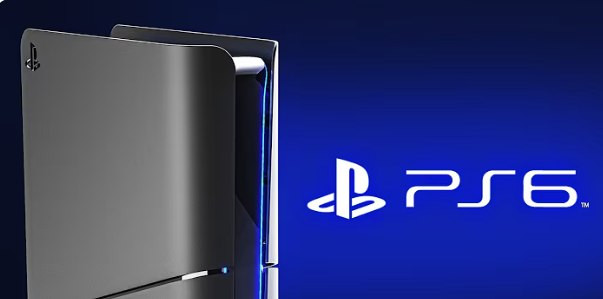
TOKYO — Sony Interactive Entertainment has yet to finalize the release timing or pricing for the PlayStation 6, with ongoing global RAM shortages driven by artificial intelligence demand forcing the company to consider pushing the next-generation console launch to 2028 or even 2029, according to multiple reports and statements from Sony executives in early May 2026.
Sony President and CEO Hiroki Totoki addressed the uncertainty during the company's fiscal year 2025 earnings briefing, stating clearly that no decision has been made. "We have not yet decided on at what timing we will launch the new console, or at what prices," Totoki said via a translator. "So we would like to really observe and follow the situation." The comments confirm what many industry insiders have suspected for months: the traditional seven-year console cycle that delivered the PlayStation 5 in 2020 is under pressure, and the PS6 may arrive later than the previously rumored 2027 window.
The primary culprit is the sustained shortage and rising cost of high-bandwidth memory (HBM) and other advanced RAM components, heavily consumed by AI data centers. Bloomberg reported in February 2026 that Sony is actively weighing delays to secure adequate supplies without compromising performance targets. Analyst David Gibson from MST International had earlier warned that fiscal 2027 could see further pressure, potentially pushing a full launch into 2028.
Despite the delay rumors, development appears to be progressing. Leakers and supply chain sources indicate that Sony awarded the next PlayStation chip contract to AMD back in 2022, with the PS6 expected to feature a custom AMD Zen 6 CPU and RDNA 5 GPU architecture. These next-generation components are anticipated to deliver a substantial leap in performance, targeting 4K gaming at 120 frames per second with advanced ray tracing and improved power efficiency. Rumors also suggest 32GB or more of high-speed RAM and at least a 1TB SSD as baseline specifications.
A dedicated handheld companion device, codenamed "Project Canis" in some leaks, is also rumored to launch alongside or shortly after the main console, potentially creating a seamless ecosystem similar to the Nintendo Switch but with significantly more power. This dual-device strategy could help Sony compete more effectively against Microsoft's rumored next-generation hardware and maintain momentum during the transition period.
Why the Delay Makes Strategic Sense
Extending the PlayStation 5 lifecycle appears to be a deliberate move. The PS5 has enjoyed strong sales and a robust library of games, with the PS5 Pro variant providing a mid-generation refresh that has satisfied many enthusiasts. By delaying the PS6, Sony can avoid the costly overlap that occurs when new hardware launches while the previous generation still has strong demand. It also gives the company more time to refine hardware specifications and secure critical components at reasonable prices.
Industry analysts suggest that a 2028 or 2029 launch would align better with stabilized supply chains and potentially lower component costs. It would also allow Sony to observe Microsoft's next Xbox plans more closely before finalizing its own strategy. However, the delay carries risks. A longer gap between generations could allow competitors to gain ground, and fans may grow impatient if the PS5 begins to feel dated by 2028.
Rumored Specs and Features
While nothing is officially confirmed, leaks and credible reports paint an exciting picture for the PS6. The custom AMD silicon is expected to focus heavily on AI acceleration, with dedicated neural processing units for upscaling, frame generation and in-game assistance features. Backward compatibility with PS5 and potentially PS4 titles is considered a near-certainty, continuing Sony's strong track record in this area.
Storage is expected to start at 2TB or higher with next-generation SSD technology for dramatically faster load times. Graphical capabilities could target 8K output in some scenarios, though 4K at high frame rates with full ray tracing will likely be the standard. Power efficiency improvements are also anticipated, addressing criticism of the PS5's relatively high energy consumption.
A potential "PS6 Lite" or digital-only variant at a lower price point is also rumored, following the successful strategy Sony employed with the PS5 Slim. This could help broaden accessibility while a premium "Pro" or flagship model targets enthusiasts.
Impact on Gamers and the Industry
The potential delay has mixed reactions from the gaming community. Some players welcome more time with the PS5 and its growing library of titles, while others are eager for the next technological leap. Developers may benefit from a longer development cycle, allowing for more polished cross-generation titles and better optimization for new hardware features.
For the broader industry, Sony's cautious approach could influence competitors. Microsoft is reportedly working on its own next-generation console, codenamed Project Helix, with similar supply chain considerations. The extended PS5 lifecycle may also give Nintendo more breathing room with its Switch successor.
What Fans Can Expect in the Meantime
While waiting for the PS6, Sony is expected to continue supporting the PS5 with major first-party releases and technical updates. Games like the next entries in the God of War, Horizon and Gran Turismo franchises are likely to showcase the console's capabilities further. Enhanced features through system updates, such as improved upscaling and performance modes, are also anticipated.
Rumors suggest Sony may introduce new hardware accessories or mid-generation refreshes to keep interest high. The company has also been expanding its portfolio with more live-service titles and multi-platform releases, adapting to changing consumer preferences.
As development continues behind closed doors, leaks and official teases will likely increase throughout 2026 and 2027. For now, PlayStation fans can enjoy the excellent lineup of games available on PS5 while looking forward to the next generation with cautious excitement. Whether the PS6 arrives in 2028 or later, Sony's commitment to quality and innovation suggests it will be worth the wait.
The evolving story of the PlayStation 6 reflects the complex realities of modern console development in an era of component shortages and rapid technological change. As Sony observes the situation and makes strategic decisions, gamers worldwide will be watching closely for any official updates on what promises to be another transformative chapter in gaming history.
© Copyright 2026 IBTimes AU. All rights reserved.