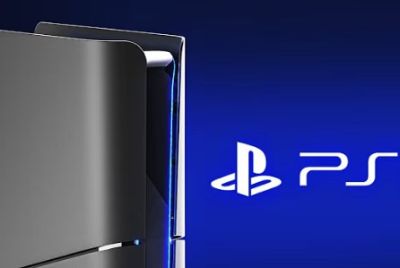
PlayStation 6 Release Date Rumors & Price: Sony Weighs Delay Amid AI RAM Crisis
NEW YORK — As Sony continues to ride strong sales of the PlayStation 5 and its Pro variant, speculation about the PlayStation 6 release date has intensified, with rumors pointing to a potential launch window ranging from late 2027 to as late as 2029 due to an ongoing global shortage of memory chips driven by artificial intelligence demand.

Sony has made no official announcement regarding the next-generation console, known internally as PS6. However, industry insiders, analysts and leakers have offered conflicting timelines that highlight both traditional console cycles and new economic pressures facing hardware manufacturers. The PS5 launched in November 2020, making a standard seven-year cycle point toward a 2027 debut, yet multiple reports suggest Sony is considering extensions to the current generation's lifespan.
Early leaks from 2025, including those shared by YouTuber Moore's Law Is Dead, indicated Sony planned to begin manufacturing the PS6 in mid-2027 for a potential holiday 2027 or early 2028 release. These claims drew from purported AMD and internal Sony documents, aligning with historical patterns where PlayStation consoles typically arrive in November to capitalize on holiday shopping. A fall 2027 launch would fit the timeline established by the PS3, PS4 and PS5.
That optimism faced a significant challenge in late 2025 and early 2026. Reports emerged that rising RAM costs, fueled by explosive growth in AI data centers, could force delays for both Sony and Microsoft's next consoles. In December 2025, insider Tom Henderson noted that console makers were weighing whether to push back production schedules from the intended 2027-2028 window due to supply constraints and higher component prices.
The speculation escalated in February 2026 when Bloomberg reported, citing sources familiar with Sony's thinking, that the company was actively considering shifting the PS6 debut to 2028 or even 2029. The article described such a delay as a "major upset" to prior plans, attributing it to the persistent memory chip crisis that has already driven up prices for current-generation hardware. Bloomberg noted that while Sony has some inventory protection in the short term, escalating costs in the fiscal year ending March 2027 could make an earlier launch untenable.
Analyst David Gibson of MST Financial reinforced the delay narrative in January 2026, stating there is a "high likelihood" the PS6 will launch after 2028 as Sony focuses on extending the PS5 lifecycle. Gibson pointed to Sony's strategy of maximizing returns on the current platform through continued software support, price adjustments and the PS5 Pro released in 2024. A longer generation could allow more time for technological maturation while avoiding rushed hardware amid supply issues.
Despite the delay rumors, some voices in the hardware community pushed back. Moore's Law Is Dead maintained in March 2026 that the PS6 remains on track for a late 2027 or early 2028 release, arguing that Sony's planning documents from years prior still hold and that full production ramps would align with a holiday window. Other leakers, including references to AMD insider KeplerL2, have echoed a 2027 target unless unexpected disruptions occur.
Prediction markets reflect the uncertainty. On Kalshi, as of early April 2026, only about 25.6% of bettors believed Sony would announce the PS6 before 2027, with the majority favoring a later reveal. The market has attracted significant wagering, underscoring how divisive the timeline has become among fans and observers.
PlayStation architect Mark Cerny has offered subtle hints without confirming details. In interviews, including one with Tom's Guide, Cerny discussed upcoming graphics technologies tied to AMD that could appear in future hardware "in a few years," language widely interpreted as nodding toward the PS6 era without committing to a specific date. Cerny has emphasized AI innovations and advanced rendering techniques, such as improved path-tracing, that gamers might expect in the next console.
Speculation about PS6 features remains active even as the release date shifts. Rumors suggest significant leaps in ray tracing and path-tracing capabilities, potentially powered by next-generation AMD silicon. A possible dedicated PlayStation handheld has also surfaced in leaks, though details remain scarce. Pricing estimates for the base PS6 model hover around $600 or higher, reflecting inflation and component costs, with analysts warning that a premium tier could approach or exceed $700-$800 if advanced features are included at launch.
The broader industry context adds pressure. Microsoft has reportedly maintained a late 2027 target for its next Xbox, codenamed Project Helix in some reports, potentially giving the rival console an edge if Sony delays. Meanwhile, Nintendo's Switch 2 successor continues its own cycle, further complicating the next-generation landscape. A prolonged PS5 era could benefit Sony's bottom line through sustained game sales and services like PlayStation Plus, but risks ceding technological momentum to competitors.
Sony executives have publicly discussed extending console lifecycles in recent years. Naomi Matsuoka, in comments from 2024, described the PS5 as entering its latter stage, yet the company has continued aggressive software support and hardware refreshes. Fans on social media and forums remain divided, with some welcoming a delay to ensure a more powerful jump while others express frustration over waiting longer for new hardware.
No major announcements have emerged from Sony's recent State of Play events or financial reports as of April 2026. The company typically reveals next-generation plans closer to launch, often at dedicated showcases rather than during standard gaming presentations. Until then, every reported date carries the caveat of being unconfirmed rumor.
The RAM shortage stems from surging demand for high-bandwidth memory in AI training and inference workloads. Data centers operated by major tech firms have consumed vast quantities of chips, squeezing supply for consumer electronics. While short-term fixes like new fabrication capacity are in development, analysts warn the crunch could persist into 2027 or beyond, directly impacting console production timelines and costs.
For gamers, the uncertainty fuels both excitement and anxiety. A 2027 launch would bring next-level visuals, faster load times, enhanced AI-driven gameplay features and potentially better backward compatibility. A delay to 2028 or 2029 might allow even more ambitious hardware but could leave enthusiasts waiting through another full console generation on PS5 hardware.
Sony's track record shows flexibility. The company has adjusted plans before, most notably navigating supply chain issues during the PS5 launch amid the COVID-19 pandemic. Whatever the final PS6 timeline, observers expect a focus on seamless integration with existing ecosystems, cloud gaming advancements and continued emphasis on exclusive titles from studios like Naughty Dog, Santa Monica Studio and Insomniac Games.
As April 2026 progresses with no fresh official word, the rumor mill shows no signs of slowing. Leakers, analysts and betting markets will continue parsing every Sony interview, financial filing and supply chain whisper for clues. For now, the safest bet remains that the PlayStation 6 is in active development — but exactly when it will reach living rooms depends on how Sony navigates the complex intersection of technology, economics and strategic timing.
Gamers eager for clarity may need to exercise patience. In an era where AI reshapes hardware priorities, the traditional console cadence faces new challenges. Whether the PS6 arrives in 2027, 2028 or later, it promises to build on the PS5's successes with greater power, smarter features and immersive experiences that have defined Sony's platform for decades.
© Copyright 2026 IBTimes AU. All rights reserved.
- Recommended For You