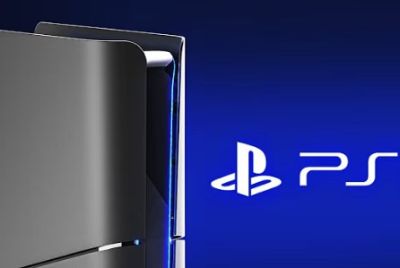
PlayStation 6 Rumors 2026: Release Pushed to 2028 or 2029 as RAM Shortage Delays Sony's Next-Gen Plans
TOKYO — Sony Interactive Entertainment has given no official word on the PlayStation 6, but mounting rumors and analyst reports in April 2026 point to a significant delay, with the next-generation console now most likely launching in late 2028 or even 2029 rather than the previously expected 2027 window. Persistent global RAM shortages driven by AI demand, combined with Sony's strategy to extend the PlayStation 5 lifecycle, have forced executives to reconsider timelines, according to multiple sources familiar with the company's internal planning.
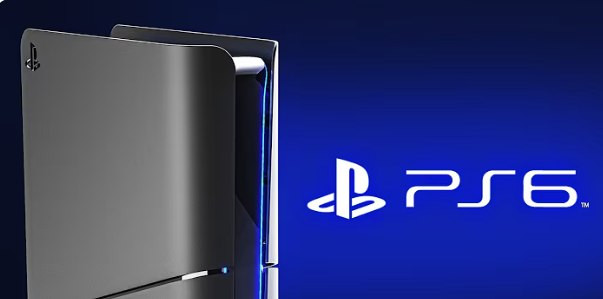
The traditional seven-year console cycle that guided the PlayStation 5's 2020 launch would have placed the PS6 in holiday 2027. Early leaks from credible insiders, including YouTuber Moore's Law Is Dead and AMD hardware specialist KeplerL2, supported that timeline, citing internal documents that showed production potentially starting in mid-2027 for a fall launch. Sony's pattern — PlayStation 4 in November 2013 and PlayStation 5 in November 2020 — reinforced expectations of a similar November window. Yet recent developments have shifted sentiment dramatically.
Bloomberg reported in February 2026 that Sony is actively considering pushing the PS6 debut to 2028 or 2029 due to skyrocketing memory costs. Senior analyst David Gibson at MST International echoed that concern in January, noting that while existing PS5 inventory provides short-term protection, rising RAM prices could make a 2027 launch financially risky. Gibson went further, stating there is a "high likelihood" the PS6 will arrive after 2028 as Sony focuses on maximizing PS5 sales through price adjustments, software support and the 2024 PlayStation 5 Pro refresh.
Prediction markets reflect widespread skepticism about an early reveal. As of early April 2026, betting platforms showed only about 25 percent probability that Sony would announce the PS6 before 2027. Fans and traders increasingly bet on a longer PS5 generation, citing strong ongoing hardware sales that hit 2026 highs just before recent price increases in some regions.
Speculation about hardware specifications remains active despite the timeline uncertainty. Leaks suggest the PS6 will use a custom AMD APU built on Zen 6 CPU architecture paired with an RDNA 5 GPU. Earlier 2025 leaks described a chip with up to 8 Zen 6 cores, 40-48 RDNA 5 compute units clocked above 3GHz, and GDDR7 memory on a 160-bit or 192-bit bus running at 32GT/s or faster. Performance targets reportedly include 3x the rasterization power of the base PS5 with even greater gains in ray tracing, aiming for native 4K at 120 frames per second or higher with advanced upscaling.
AI features are expected to play a larger role. Rumors point to dedicated machine-learning tensor cores for dynamic resolution scaling, frame generation and enhanced NPC behavior. Full path-tracing capabilities and improved efficiency to keep power draw manageable have also surfaced in discussions. Backward compatibility with PS5 and PS4 titles is considered a given, with some speculation extending to PS3 emulation via software.
Storage and connectivity upgrades appear likely. Insiders have floated 1TB or 2TB NVMe SSDs as baseline, along with Wi-Fi 7 support and HDMI 2.2 for future-proofing. A possible PlayStation 6 handheld variant has generated separate buzz, potentially launching alongside the main console with more power than the rumored Nintendo Switch 2, though details remain scarce.
Pricing discussions center on keeping the console accessible. Some leaks suggest Sony aims for a launch price below $700, possibly closer to the original PS5's $499-$549 range adjusted for inflation, to avoid alienating consumers after years of economic pressures. Achieving that goal while incorporating premium components could explain caution around memory costs.
Sony's silence fuels ongoing debate. No major State of Play or showcase in early 2026 has addressed next-generation hardware, and recent presentations focused on PS5 Pro enhancements and first-party titles. CFO comments describing the PS5 as still in the "middle of its journey" have been interpreted as deliberate signals of an extended lifecycle.
The delay, if confirmed, would mark the longest gap between PlayStation generations and could hand Microsoft an opening if its next Xbox targets a 2027 window. Analysts note that prolonged PS5 support through enhanced editions and cloud streaming experiments might soften the blow, but dedicated hardware enthusiasts continue pressing for clarity.
Development kits for the PS6 are rumored to reach select studios as early as spring 2026 in some older leaks, though the latest reports suggest any such distribution could slip alongside production timelines. Private presentations to developers in Tokyo have circulated in unconfirmed social media claims, describing a "generational leap" with heavy AI integration, but Sony has not verified these accounts.
The broader industry context adds pressure. Rampant AI demand for high-bandwidth memory has created a chip crisis affecting consumer electronics beyond gaming. Sony must balance innovation with profitability, especially after navigating supply-chain challenges during the PS5 launch era.
Gamers remain divided. Some welcome a longer PS5 window to enjoy current libraries and the Pro model's improvements, while others worry about stagnation and missed opportunities against competitors advancing faster. Social media buzz in April 2026 shows growing fatigue with rumors, with many calling for official confirmation rather than endless speculation.
Sony's track record suggests patience until hardware and software alignment is perfect. The company has successfully extended previous generations through mid-cycle refreshes, and the PS5 Pro demonstrates continued investment in the current platform. A 2028 or 2029 PS6 would still fit within an evolving industry where console generations stretch longer amid rising development costs and technological complexity.
Until Sony breaks its silence, the PlayStation 6 remains a tantalizing question mark. Rumors of powerful AMD silicon, AI-driven graphics and ambitious performance goals paint an exciting picture, but the extended wait driven by memory constraints and strategic caution tempers excitement with realism. Gamers hoping for next-gen experiences may need to temper expectations and continue enjoying the robust PS5 ecosystem in the meantime.
As 2026 progresses, any shift in memory market conditions or internal Sony decisions could accelerate or further postpone plans. For now, the consensus among analysts and betting markets leans toward a later launch, making the eventual reveal all the more anticipated when it finally arrives.
© Copyright 2026 IBTimes AU. All rights reserved.
- Recommended For You