Apple's Foldable iPhone Set for 2026 Debut: Latest Release Date Rumors, Specs and Ultra Naming Buzz
CUPERTINO, Calif. — After years of speculation and delays, Apple Inc. appears poised to finally enter the foldable smartphone market with its first folding iPhone, expected to be unveiled in September 2026 alongside the iPhone 18 Pro and Pro Max models.

The device, which supply chain sources and analysts increasingly refer to as potentially the "iPhone Ultra," would mark a significant evolution in Apple's iPhone lineup as the company celebrates its 50th anniversary and navigates slowing smartphone sales amid growing competition from Android foldables.
Recent developments have intensified excitement — and some uncertainty — around the launch timeline. Trial production has begun at Foxconn, with mass production slated to start as early as July if testing proceeds smoothly. Bloomberg's Mark Gurman reported Tuesday that the foldable remains on track for a September debut, countering earlier concerns about engineering snags raised by Nikkei Asia.
Yet conflicting signals persist. Barclays analyst Tim Long suggested shipments could slip to December 2026, meaning the device might be announced in the fall but reach customers later than standard iPhone models. Apple has not commented on the rumors, as is typical for unannounced products.
Analysts say the foldable iPhone represents a high-stakes bet for Apple. While Samsung has sold millions of Galaxy Z Fold and Flip devices since 2019, Apple has taken a deliberate approach, prioritizing durability, software optimization and a premium user experience over rushing to market.
Design and Display Details
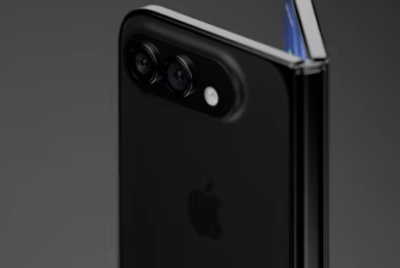
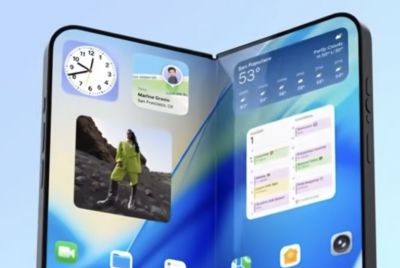
The device is expected to feature a book-style fold, opening like a small tablet rather than a clamshell flip phone. Rumors point to a roughly 7.8-inch inner display when unfolded and a 5.5-inch outer screen when closed, offering a more tablet-like aspect ratio than Samsung's taller designs.
Apple has reportedly focused heavily on minimizing the visible crease. Early indications suggest the company is using advanced lamination and hinge technology that significantly reduces — though may not entirely eliminate — the fold line, drawing on innovations previewed at CES 2026. Ming-Chi Kuo and others have described the inner panel as nearly "crease-free" in prototypes.
Samsung Display has secured a three-year exclusive deal to supply the foldable OLED panels after Chinese supplier BOE reportedly failed to meet Apple's stringent quality and yield requirements. Samsung is ramping up capacity, with reports of an initial order for around 22 million panels — far higher than some earlier projections of 3-5 million units in the first year. Mass production of the displays is said to have been moved forward, potentially starting in May.
The phone is rumored to be exceptionally thin at about 9 millimeters when folded, with a durable hinge possibly incorporating Liquidmetal alloy. Other speculated features include Touch ID integrated into the side power button instead of Face ID, two rear cameras, a single front camera, and up to 12GB of RAM. A large battery — potentially the biggest ever in an iPhone at around 5,500 mAh — would support the power demands of the dual-screen setup and enhanced multitasking.
Software adaptations are expected to mirror iPadOS when unfolded, allowing side-by-side apps and improved productivity features tailored for the larger canvas.
Pricing and Positioning
Pricing remains one of the biggest unknowns, but most analysts expect the foldable to start well above $2,000 in the U.S., potentially crossing that threshold even at the base model. Gurman indicated the device would "cross the $2,000 threshold," while earlier Kuo predictions pointed to around $2,399 or higher depending on storage.
That premium positioning would place it as a halo product rather than a volume driver initially. Ming-Chi Kuo has projected first-year shipments of just 3-5 million units due to production complexities, with smoother scaling and higher volumes not expected until 2027 when a second-generation model arrives.
Apple's strategy appears focused on differentiation: a more refined hinge, superior build quality, seamless iOS integration and ecosystem advantages that competitors struggle to match. The company has long studied foldables internally, with patents dating back years, but executives including CEO Tim Cook have emphasized waiting until the technology matures.
Production Timeline and Potential Delays
Foxconn's recent start of trial production is a key milestone. Trial runs allow Apple and its partners to identify and resolve manufacturing issues before full-scale output. If successful, mass production could begin in July, setting the stage for a September announcement.
However, the engineering validation phase has reportedly encountered some setbacks, prompting caution from supply chain observers. Nikkei Asia cited sources saying shipment schedules could shift, though Bloomberg pushed back, insisting plans remain on track for the traditional iPhone launch window.
This would fit into a broader shake-up of Apple's 2026 iPhone calendar. The iPhone 18 Pro and Pro Max are still expected in September, but the standard iPhone 18 model has reportedly been delayed to spring 2027 alongside an "iPhone 18e" budget variant. That leaves the foldable as a flagship companion to the Pro lineup in the fall.
A December shipping window, if confirmed, would still make 2026 the year of Apple's foldable debut — albeit with limited initial availability that could fuel strong demand and waitlists.
Market Impact and Competition
Samsung, which has dominated the foldable segment, stands to both benefit and face new pressure. Its Display division gains a major customer through the exclusive supply deal, but its mobile division could see heightened competition from a device many consumers have been waiting for.
Other Android makers like Google, Huawei, OnePlus and Motorola have also expanded their foldable offerings, with improving durability and lower price points. Apple's entry could validate the category for mainstream buyers wary of early-adopter risks.
Analysts note that Apple's foldable could accelerate overall market growth. Global foldable shipments have been rising steadily, but still represent a small fraction of total smartphones. A polished Apple product with strong marketing could change that dynamic.
Internally, the project has reportedly been a priority, with resources shifted to ensure the first-generation device meets Apple's reputation for refinement. Some reports suggest the company considered a clamshell design early on but settled on the book-style format for its productivity potential.
What Comes Next
If the September timeline holds, Apple could tease the device during its traditional fall event, with hands-on impressions and deeper software details following. Full availability might come weeks or months later depending on production yields.
A second-generation foldable is already in planning for 2027, potentially with improvements in weight, battery life and camera capabilities as manufacturing scales.
Apple watchers will also be monitoring how the foldable integrates with the company's broader AI ambitions. Larger screens could enable more sophisticated on-device processing and multitasking with Apple Intelligence features.
For now, the rumors paint a picture of a premium, thoughtfully designed device that could redefine the iPhone for the next decade. Whether it launches in September or slips slightly into late 2026, 2026 is shaping up as the year Apple finally folds — and the industry pays close attention.
Consumers eager for the device will likely need deep pockets and patience. But if history is any guide, Apple's first foldable could set a new standard that forces competitors to raise their game.
© Copyright 2026 IBTimes AU. All rights reserved.
- Recommended For You