Foldable iPhone Ultra Rumors: Will Apple Foldable iPhone Ultra Have Visible Crease?
CUPERTINO, Calif. — Apple's long-awaited first foldable iPhone, widely rumored to carry the premium "iPhone Ultra" branding, is poised to deliver a display with a crease so minimal it may appear nearly invisible when unfolded, according to multiple supply chain reports and analyst briefings circulating as of April 2026.

The device, expected to launch in September alongside the iPhone 18 Pro and Pro Max lineup, represents Apple's calculated entry into the foldable smartphone category after years of watching rivals like Samsung struggle with prominent fold lines. Leakers and industry insiders consistently highlight Apple's obsessive focus on minimizing or virtually eliminating the visible crease that has become a hallmark — and frequent complaint — of current book-style foldables.
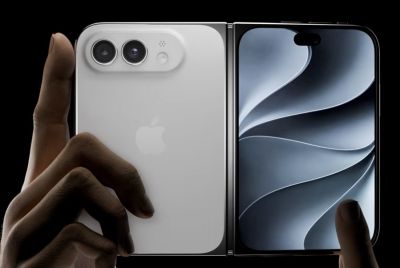
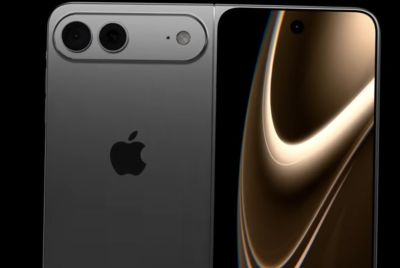
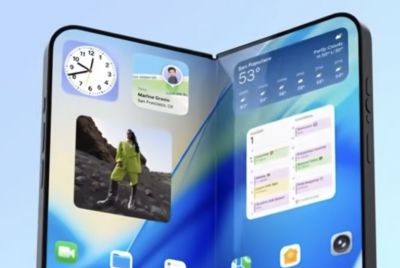
Rumors describe the foldable iPhone Ultra as featuring a 7.8-inch inner display when opened and a roughly 5.5-inch outer screen when closed, creating a form factor closer to a compact iPad mini than traditional tall-and-narrow foldables. When unfolded, the screen is said to measure just 4.5 millimeters thick, making it one of Apple's slimmest devices ever, supported by a titanium chassis for durability.
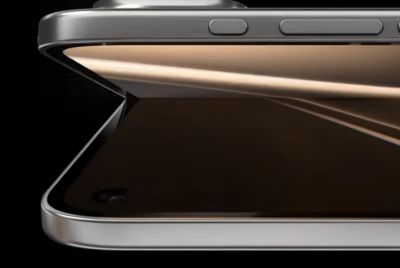
Central to the excitement is the display technology. Multiple reports indicate the crease depth will be controlled to under 0.15 millimeters, with a crease angle below 2.5 degrees. That combination should produce a smoother, flatter transition across the fold line compared with existing models, where creases can reach several times deeper and create noticeable ridges both visually and to the touch. Some sources go further, claiming the panel will have "no visible crease" or appear "virtually crease-free" thanks to breakthroughs in materials and manufacturing.
Apple has reportedly worked with Samsung Display on a new OLED panel never before used in a commercial foldable. Key innovations include ultra-thin glass (UTG) layers and advanced optically clear adhesive (OCA) formulations. The adhesive stays pliable during repeated bending, flowing into microscopic gaps to reduce light scattering that makes creases pop under certain lighting. Dual-layer or variable-thickness glass helps distribute bending stress more evenly, preventing the deformation that worsens over time in many competing devices.
A recent TrendForce analysis emphasized that optically clear adhesive, rather than glass alone, may prove decisive in "killing the crease." By isolating fatigue stress, the design aims to keep the screen looking pristine even after thousands of folds. Leakers have described the result as nearly invisible from most viewing angles, a significant leap that could finally make foldables feel like seamless tablets when open.
The hinge design is equally critical. Rumors point to a durable titanium or liquid metal mechanism, possibly incorporating 3D-printed components for precision. This engineering allows the display to fold flat without excessive tension, further reducing long-term crease formation. Apple is said to have pursued a crease-free experience "regardless of cost," delaying entry into the category until the technology matured.
Not all reports promise total elimination. Some analysts note that physics limits a perfectly flat fold on flexible displays, so a faint line may still exist under close inspection or specific angles, especially after extended use. However, the consensus holds that Apple's version should outperform current Galaxy Z Fold models and Chinese competitors in crease visibility and durability right out of the box.
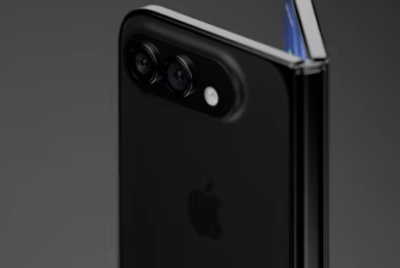
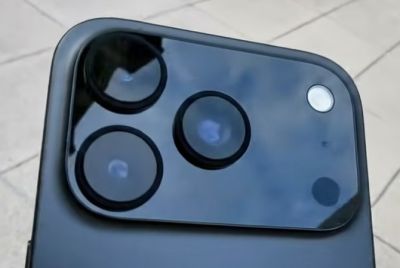
The foldable iPhone Ultra is also expected to include premium features justifying a price tag potentially exceeding $2,000. Speculation includes dual 48-megapixel cameras, up to 12GB of RAM, a large battery in the 5,000-5,800 mAh range, and possibly a return of Touch ID integrated into the power button or under the display, replacing or supplementing Face ID in the thin folded form.
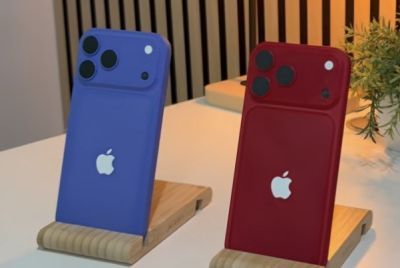
Naming remains fluid. While early leaks referred to it as the iPhone Fold, recent supply chain chatter from credible sources suggests "iPhone Ultra" as the likely moniker, positioning it as a new flagship tier above the Pro models. Dummy units and case leaks have surfaced showing a wider, more tablet-like aspect ratio when open, reinforcing the premium positioning.
Production appears to be ramping up, with mass manufacturing reportedly on track for a fall 2026 debut, though some whispers of minor delays into late 2026 or early 2027 persist if final validation uncovers issues. Apple has a history of rigorous testing, and the company is said to be conducting extensive hinge and display endurance trials to ensure the crease remains minimal over the device's lifespan.
Consumer reaction has been enthusiastic but tempered by realism. On forums and social media, many express excitement at the prospect of a foldable iPhone that feels like a true iPad replacement without the distracting line down the middle. Others remain skeptical, pointing out that even advanced prototypes shown at events like CES 2026 eventually revealed faint creases under scrutiny.
If the reports hold, Apple's approach could reset expectations for the entire foldable market. Samsung and others have steadily improved their panels, but Apple's combination of new adhesive tech, layered glass and precision hinge engineering may set a benchmark that forces competitors to accelerate their own crease-reduction efforts.
Pricing and availability will play major roles in adoption. At an estimated $1,999 to $2,399 or higher, the device will target early adopters and professionals who value the productivity boost of a larger screen in a pocketable package. Software optimization in iOS 27 or later is expected to take full advantage of the folding form factor, with dynamic app layouts, multitasking enhancements and continuity features across devices.
Environmental and durability concerns also factor in. The titanium build and reinforced display aim to withstand daily use better than fragile early foldables, while Apple's recycling programs could mitigate concerns over the specialized materials.
As anticipation builds, leaks continue to trickle out from Asian supply chains. Dummy models shared online show the book-style design, and case manufacturers have already begun producing accessories based on leaked dimensions, including debates over MagSafe compatibility in such a thin chassis.
For now, the foldable iPhone Ultra remains unannounced, and Apple has maintained its trademark silence. Yet the volume and consistency of reports suggest the company is confident enough in its crease-minimizing technology to bring the product to market in 2026.
Whether the final device delivers a truly crease-free experience or merely the least noticeable fold line yet seen will only be confirmed upon hands-on testing. If successful, it could mark the moment foldables transition from niche gadgets to mainstream must-haves, with Apple once again redefining what consumers expect from smartphone displays.
The tech world will be watching closely when Apple takes the stage later this year. For millions of iPhone loyalists tempted by foldables but put off by visible creases, the iPhone Ultra may finally deliver the seamless experience they have been waiting for.
© Copyright 2026 IBTimes AU. All rights reserved.
- Recommended For You