Foldable iPhone vs Galaxy Z Fold: Can Apple's 2026 Debut Beat Samsung's Lead?
CUPERTINO, California — As rumors swirl around Apple's long-awaited foldable iPhone, expected in late 2026, the big question facing the tech industry is whether the company's first book-style folding handset can challenge Samsung's years-long dominance in the premium foldable smartphone market.

The device, potentially called the iPhone Fold or iPhone Ultra, is shaping up as a direct rival to Samsung's Galaxy Z Fold series. With a rumored September or December 2026 launch alongside the iPhone 18 Pro models, Apple's entry could reshape the category that Samsung has largely defined since introducing the original Galaxy Fold in 2019.
Analysts are divided on the outcome. Some predict Apple's foldable could capture nearly half the North American foldable market in its debut year, siphoning significant share from Samsung. Others caution that Samsung's refinement through seven generations of Z Fold devices gives it a substantial head start in durability, multitasking software and ecosystem maturity.
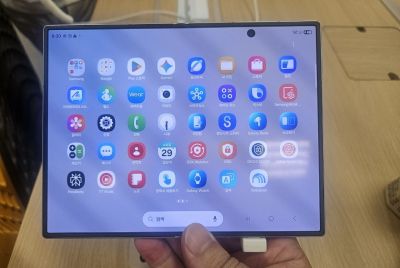
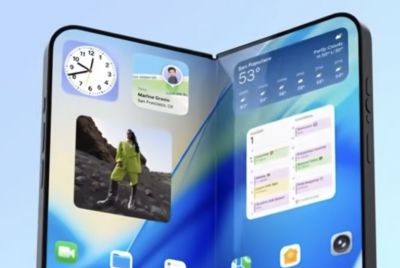
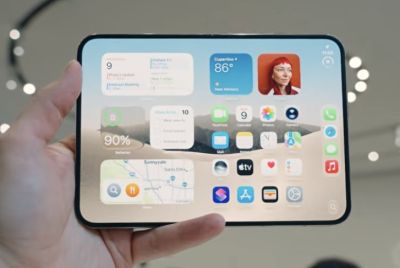
The rumored iPhone Fold adopts a book-style design similar to the Galaxy Z Fold, unfolding into a tablet-like experience. Leaks suggest a 7.8-inch inner display with a near-crease-free finish thanks to advanced ultra-thin glass technology from Samsung Display, paired with a 5.5-inch outer cover screen. This contrasts with the Galaxy Z Fold 7's taller, narrower aspect ratio and 8-inch inner panel.
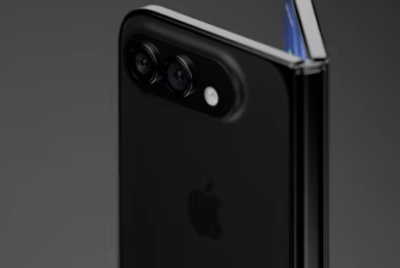
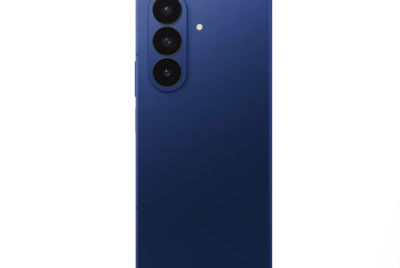
Apple's approach appears to prioritize a wider, more square-like unfolded experience, potentially better suited for productivity and media consumption in a 4:3 aspect ratio. Rumors point to a titanium-aluminum hybrid frame, in-display sensors, and possibly only two rear cameras — a more minimal setup than Samsung's triple-camera arrays that often include high-resolution main sensors.
Pricing is expected to start around $2,000, with some estimates reaching $2,400, positioning it as a true ultra-premium device. Samsung's Galaxy Z Fold 8 is anticipated to hold steady near $1,999, potentially pressuring Apple on value while the iPhone Fold bets on ecosystem integration and software polish.
Battery life emerges as a potential flashpoint. Some reports suggest Apple's foldable could pack a larger cell than current Z Fold models, but competing wide-format designs from Samsung and rivals like Honor or Huawei may emphasize endurance in marketing. Apple's legendary optimization of hardware and software could still deliver competitive all-day performance despite the form factor's demands.
Durability has been Samsung's biggest evolution story. The latest Z Fold models feature improved hinge mechanisms, stronger UTG (ultra-thin glass) and IP ratings for water and dust resistance. Apple's first effort will face intense scrutiny on crease visibility, hinge reliability and overall robustness. Leaks claim the iPhone Fold aims for an almost invisible crease, but real-world testing upon release will determine if it matches or exceeds Samsung's refinements.
Software represents Apple's strongest potential advantage. The iPhone Fold is expected to run a tailored version of iOS with enhanced multitasking, Stage Manager-like features and deep Apple Intelligence integration. Samsung's One UI on Android has matured significantly for foldables, offering flexible window management and S Pen support on some models, but many users still cite fragmentation and app optimization issues compared to the iPhone's seamless experience.
The broader ecosystem could sway buyers. For millions locked into Apple's world of Mac, iPad, Watch and AirPods, the foldable iPhone promises continuity that Android foldables struggle to match. Features like Universal Control, Continuity Camera and Handoff could make the device feel like a natural extension rather than a standalone gadget.
Market forecasts are bullish for Apple's impact. Counterpoint Research recently projected that the iPhone Fold could secure 46% of the North American foldable market in 2026, dropping Samsung's share from 51% to 29%. Globally, Apple might claim over 20% unit share and a higher revenue portion due to premium pricing. Supply chain reports indicate Apple has increased orders for foldable displays, signaling confidence in strong demand.
Yet Samsung is not standing still. The company is reportedly developing a "Wide Fold" variant with a squarer aspect ratio to counter Apple's rumored proportions directly. It continues iterating on the core Z Fold lineup with potential TriFold concepts and aggressive Galaxy AI features. Samsung's head start means it has already addressed many early foldable pain points, from screen protectors to hinge creaking.
Challenges for Apple include production yields, which have reportedly caused minor delays in engineering validation. Some supply chain whispers suggest possible shipment pushes into early 2027, though most analysts still expect a 2026 debut. Camera capabilities could also draw comparisons, with Apple likely emphasizing computational photography over raw hardware specs.
Consumer adoption of foldables remains niche but growing. IDC and other firms forecast the category expanding significantly in 2026, partly fueled by Apple's halo effect. The iPhone's arrival could legitimize the form factor for mainstream buyers who previously viewed foldables as experimental or fragile.
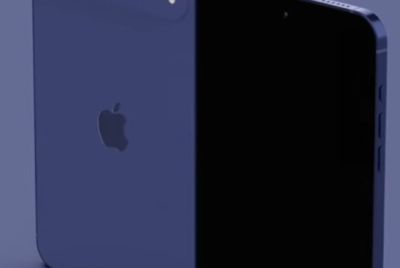
Early renders and dummy models circulating online show a sleek, minimalist design in limited colors like black and white — classic Apple restraint versus Samsung's bolder palette. The outer display size is critical: a usable 5.5-inch panel when folded could reduce the need to unfold constantly, addressing a common complaint with current book-style foldables.
Ultimately, beating the Galaxy Z Fold outright in year one may prove difficult. Samsung's iteration advantage, broader app ecosystem on Android and lower entry price for comparable specs give it staying power. However, Apple's ability to refine technology and create desire has repeatedly disrupted markets, from smartphones to tablets to wearables.
If the iPhone Fold delivers minimal creasing, buttery-smooth software, exceptional build quality and meaningful productivity gains within iOS, it stands a strong chance of capturing premium buyers and accelerating overall foldable adoption. It may not dethrone Samsung immediately but could redefine expectations and force faster innovation across the industry.
For now, the competition remains theoretical. Samsung will likely unveil its Z Fold 8 mid-2026, giving it another cycle of improvements before Apple's device arrives. When the iPhone Fold finally lands, the real test begins: can Apple's first attempt surpass years of Samsung engineering, or will the Galaxy Z Fold's maturity keep it on top?
The answer will hinge on execution. Durability concerns, software multitasking depth, camera performance and real-world battery life will decide whether the foldable iPhone becomes a game-changer or merely a stylish alternative. One thing is clear: 2026 promises to be the year foldables move from niche curiosity to serious contender status, with Apple and Samsung locked in a high-stakes battle for the future of smartphones.
© Copyright 2026 IBTimes AU. All rights reserved.
- Recommended For You