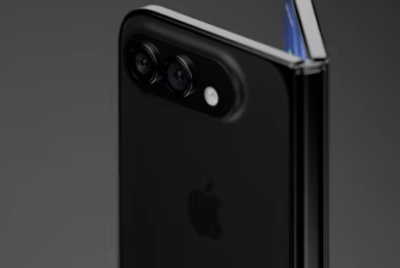
Apple Foldable iPhone Ultra 2026: Latest Rumors Point to September Launch and iPhone Ultra Branding
CUPERTINO, Calif. — Apple is on track to release its first foldable iPhone in fall 2026, with trial production underway at Foxconn and multiple credible reports pointing to a September debut alongside the iPhone 18 Pro models, according to the latest wave of supply chain leaks and analyst predictions circulating in April 2026.

The long-rumored device, internally referred to as a book-style foldable, could be branded as the iPhone Fold or, more intriguingly, the iPhone Ultra — a premium positioning that would place it above the current Pro Max as Apple's most ambitious and expensive smartphone yet. While Apple has remained characteristically silent, the volume and consistency of recent leaks suggest the project has moved into advanced stages after years of speculation and reported delays.
Release Date Momentum
Most analysts now converge on a fall 2026 launch window. Bloomberg's Mark Gurman, who previously noted potential delays, reported in early April that the foldable remains on schedule for the company's normal September iPhone event. Trial production has begun at Foxconn, with mass production potentially starting in July if testing goes smoothly. Some earlier concerns about hinge and display challenges appear to have eased, though limited initial supply is still expected.
A minority of reports still float a late 2026 or even early 2027 debut, citing manufacturing complexities common to first-generation foldables. However, the prevailing view favors a September announcement with shipments starting shortly after, potentially in October or November for the premium model.
Design and Display Details
Leaked specifications describe a book-style foldable with a large inner display measuring approximately 7.7 to 7.8 inches when unfolded — roughly iPad mini territory — and a 5.5-inch outer screen for quick tasks when closed. Apple is said to be obsessed with minimizing or eliminating the visible crease, a common complaint with current foldables from Samsung and others. Advanced hinge technology, possibly involving liquid metal or specially engineered components, is central to this goal.
The device is rumored to measure just 4.5mm thin when unfolded, making it one of the slimmest foldables on the market. A titanium-aluminum hybrid frame would provide durability at that thickness. Rumors also suggest the foldable may forgo Face ID in favor of a side-button Touch ID sensor, similar to recent iPad models, to save space in the slim design.
Pricing and Market Strategy
Pricing speculation centers on a starting point of $2,000 or higher, positioning the foldable as a true ultra-premium device rather than a mass-market option. This would make it significantly more expensive than Samsung's Galaxy Z Fold series and reflect Apple's history of charging premiums for new form factors. Initial shipments could be limited to 3-5 million units in 2026, with expectations ramping up to 20 million or more in 2027 as production scales.
Apple appears to be taking a cautious approach, gauging market reaction before committing to higher volumes. The device is expected to target professionals, creatives and power users who value the larger canvas for multitasking, note-taking and media consumption.
Camera and Performance Specs
Recent leaks suggest a dual 48-megapixel rear camera system, potentially sacrificing a dedicated telephoto lens to accommodate the folding mechanism. An under-display or punch-hole front camera is anticipated for the inner screen. Power would come from an A20-series chip manufactured on a cutting-edge process node, paired with increased RAM — possibly 12GB or more — to handle demanding foldable-optimized iOS features.
Software remains a key unknown. Apple is reportedly developing enhanced multitasking and stage manager-style features tailored for the larger inner display, building on iPadOS capabilities while maintaining iPhone continuity.
Competitive Landscape
Samsung currently dominates the foldable market with its Galaxy Z Fold and Flip lines. Apple's entry would bring significant credibility and mainstream attention to the category, potentially accelerating adoption. The company's focus on crease reduction, build quality and software integration could set new standards, though at a substantially higher price point.
Challenges and Risks
Foldable technology remains complex. Hinge durability, screen longevity and overall thinness present engineering hurdles that have reportedly caused some production headaches. Apple's reputation for perfection means the company is unlikely to launch until it meets strict internal standards, which explains the years of delays from initial rumors.
Supply chain reports also mention potential component shortages, particularly for advanced ultra-thin glass (UTG) displays supplied by Samsung Display under an exclusive arrangement.
What It Means for Consumers
For iPhone users, a successful foldable model could represent the biggest design shift since the original iPhone in 2007. Early adopters may pay a premium for the novelty and productivity gains, while mainstream buyers might wait for second- or third-generation versions expected in 2027 and beyond. A rumored clamshell-style iPhone Flip could follow in 2028, completing Apple's foldable ambitions.
The foldable iPhone also fits into Apple's broader strategy of premium differentiation as the smartphone market matures. With the standard iPhone lineup evolving more incrementally, the foldable represents a bold new category that could drive excitement and upgrade cycles.
As development continues behind closed doors, the rumor mill shows no signs of slowing. From dummy unit leaks to supply chain whispers, the foldable iPhone is shaping up to be one of Apple's most significant product launches in over a decade. Whether it arrives in September 2026 or slips slightly, anticipation continues to build for the device many have waited years to see.
© Copyright 2026 IBTimes AU. All rights reserved.
- Recommended For You