Apple Unveils Functional Siri AI at WWDC 2026 Emphasizing Privacy and Trust
Apple's latest Siri update prioritises user privacy and on-device processing, marking a strategic shift in AI development.

CUPERTINO, Calif. — Apple took a measured step forward in artificial intelligence at its Worldwide Developers Conference on Monday, unveiling a more capable version of Siri that prioritizes on-device processing and user privacy rather than competing directly on raw intelligence with rivals like OpenAI and Google.
The update, part of the broader iOS 27, iPadOS 27 and macOS 27 releases, marks the third major attempt by Apple to revitalize its voice assistant. Early hands-on testing suggests the new Siri can handle multi-turn conversations, cross-reference personal data such as emails and calendars, and execute practical tasks more reliably than previous versions, though it still trails competitors in some advanced capabilities.
Siri AI Delivers on Core Promises
During demonstrations at Apple Park, the updated Siri successfully parsed calendar events from screenshots, diagnosed plant issues from photos, and built reminder lists and calendar entries from natural language prompts. It also consistently read on-screen content when asked to add events, showing improved context awareness.
The Verge, granted hands-on access at Apple Park, described the experience as functional and reliable. "AI Siri is for real this time" and "so far it actually works," the publication reported after testing features like multi-turn dialogue and proactive suggestions based on personal data.
Apple executives positioned the new Siri as the most trustworthy assistant rather than the most powerful. The system builds a local index of user data from email and messages stored on-device. When cloud processing is required, only relevant fragments are sent to Apple's Private Cloud Compute servers, which the company says neither retain data nor allow Apple access after the session.
This privacy-first architecture stands in contrast to some competitors that request standing access to user accounts like Gmail or Google Calendar. Apple's approach aims to give users confidence that their personal information remains protected while still delivering useful assistance.
Technical Foundation and Limitations
The new Siri relies in part on models from Google's Gemini family for certain capabilities, leading some observers to characterize it as "Gemini, circa 2025." While not a direct quote from Apple, the integration reflects the company's strategy of leveraging proven technology while maintaining control over the user experience and data handling.
Current limitations include English-only support at launch, unavailability in the European Union and China due to regulatory reasons, and daily usage caps on server-dependent features. Expanded access requires an iCloud+ subscription in some cases. These constraints narrow the initial audience but align with Apple's cautious rollout philosophy.
Developer testing began this week, with a public beta expected next month and full consumer release in the fall alongside new hardware. The staged approach is designed to identify and resolve issues before widespread deployment.
Broader Platform Updates
The iOS 27 family brings numerous refinements across Apple's ecosystem. Performance improvements include faster app launches, enhanced AirDrop transfers and better responsiveness on older devices thanks to an optimized CPU scheduler. Search has been rebuilt with a new index for more relevant Spotlight results.
Photos gains the ability to share iCloud Shared Albums with Android and Windows users. Health receives advanced cycle tracking, while AirPods users will benefit from custom EQ settings. Apple Maps features richer Flyover imagery, and numerous smaller enhancements span Shortcuts, Freeform, Messages and other apps.
The updates extend support back to the iPhone 11 and second-generation iPhone SE, ensuring broad compatibility. This commitment to older hardware has become a hallmark of Apple's software strategy, extending device lifespans and reducing electronic waste.
Tim Cook's Legacy in Focus
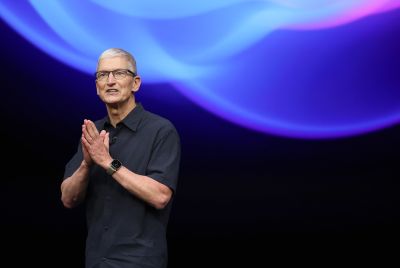
The WWDC 2026 keynote, reportedly one of Tim Cook's final ones according to some observers though not officially confirmed, highlighted the tension between Apple's traditional strengths in privacy and integration and the demands of the AI era.
Cook's tenure has emphasized execution, supply chain mastery and ecosystem coherence. The AI push tests whether Apple can compete at the frontier of software intelligence rather than simply iterating on proven concepts. The measured approach to Siri AI — focusing on reliability and privacy rather than claiming industry leadership — reflects a philosophy of controlled innovation.
Panel discussions at Apple Park framed the event around both the product launch and its implications for Cook's legacy. Observers noted Apple avoided buzzwords like "agentic AI" despite their prevalence elsewhere in the industry, choosing instead to demonstrate practical, trustworthy features.
Competitive Landscape
Apple's strategy differs markedly from rivals. While Google and OpenAI emphasize cutting-edge capabilities and broad access, Apple bets on seamless integration within its hardware-software ecosystem and strong privacy protections. The company does not need to outpace competitors feature-for-feature if users prefer its contained, reliable approach.
Early indications suggest the new Siri performs well for everyday tasks within the Apple ecosystem. Whether this proves sufficient to shift user behavior away from more powerful but less private alternatives will be determined in the coming months after wider release.
User Experience and Privacy Debate
For users already invested in Apple's ecosystem, the improvements could represent meaningful daily enhancements. Cross-device continuity, on-device processing and careful data handling offer practical benefits that many may value over raw intelligence.
Privacy advocates have welcomed Apple's emphasis on local processing and limited data sharing. However, independent verification of the company's Private Cloud Compute claims remains limited, and some experts urge continued scrutiny of these assurances.
The debate reflects broader tensions in the AI industry between innovation speed and responsible development. Apple's more deliberate pace may appeal to users concerned about data security and unintended consequences of rapidly advancing AI systems.
Market and Industry Implications
The updates position Apple to maintain its premium positioning while addressing long-standing criticisms of Siri. Success could strengthen the company's services revenue and ecosystem lock-in, key drivers of its financial performance.
Developers will gain new tools and APIs to build experiences that leverage the improved Siri capabilities. The broad platform support across iPhone, iPad, Mac, Watch and other devices creates opportunities for innovative applications that span multiple form factors.
As the public beta approaches and fall release nears, real-world usage data will provide the ultimate test of Apple's AI ambitions. Early developer feedback and hands-on impressions suggest meaningful progress, though the competitive gap with more advanced systems remains.
Apple's approach at WWDC 2026 reflects confidence in its privacy and integration strengths while acknowledging the need to deliver functional AI experiences. The new Siri represents progress on previous attempts, focusing on reliability and user trust rather than frontier capabilities.
For millions of Apple users, the updates promise more helpful and private digital assistance integrated across their devices. The coming months will reveal whether this vision resonates strongly enough to shift behavior and solidify Apple's position in the evolving AI landscape.
The measured strategy aligns with Apple's long-standing philosophy of delivering polished, user-friendly experiences. As Siri AI moves from keynote demonstrations to everyday use, its real-world impact will shape perceptions of both the product and the company's direction under Tim Cook's leadership.
© Copyright 2026 IBTimes AU. All rights reserved.
- Recommended For You