Samsung Galaxy S26 Ultra vs. iPhone 17 Pro Max: Which Flagship Delivers Superior AI Features in 2026?
As smartphone buyers weigh the latest flagships, the Samsung Galaxy S26 Ultra and Apple iPhone 17 Pro Max stand out for their advanced AI capabilities. Released in February 2026 and September 2025 respectively, both devices position artificial intelligence as a core selling point, but they take markedly different approaches.

Samsung's third-generation Galaxy AI emphasizes proactive, contextual assistance and seamless integration across tasks, while Apple's Apple Intelligence prioritizes on-device privacy, system-wide enhancements and gradual rollouts. Early reviews and head-to-head comparisons from outlets like Tom's Guide, PhoneArena and YouTube creators suggest Samsung currently holds the edge in AI depth and usefulness, though Apple excels in privacy-focused execution.
The Galaxy S26 Ultra, unveiled at Galaxy Unpacked in late February 2026, runs on a customized Snapdragon 8 Elite Gen 5 chipset with a 39% NPU boost for always-on AI. Key features include Now Nudge, an agentic tool that analyzes screen context — such as incoming messages about plans — and surfaces suggestions like calendar checks or direct Gallery access without app switching. Now Brief delivers personalized daily summaries, while Call Screening uses AI to handle unknown calls with transcription and spam filtering.
Photo editing shines with Photo Assist, allowing natural language prompts to add, remove or modify elements in images. Creative Studio generates visuals, and enhanced Bixby integrates with Gemini and Perplexity for broader queries. Additional tools cover Live Translate for calls, Writing Assist for tone adjustments and Audio Eraser for video sound cleanup. Samsung touts these as "intuitive" and background-operated, reducing user effort while supporting multitasking without lag.
Privacy remains a focus via the world's first built-in Privacy Display, which limits viewing angles to prevent shoulder surfing, alongside Knox Vault security and user-controlled AI toggles for on-device or cloud processing.
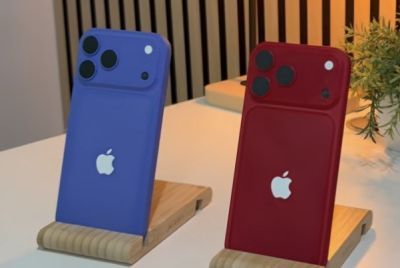
In contrast, the iPhone 17 Pro Max, powered by the A19 Pro chip with expanded Neural Engine capabilities and 12GB RAM on Pro models, runs Apple Intelligence on iOS 26. Features include Writing Tools for rewriting, proofreading and summarizing text across apps; Image Playground and Genmoji for custom emoji and image creation; smarter Siri with better context awareness; and Live Translation in Messages, FaceTime and Phone.

Visual intelligence lets users query on-screen content, while notification summaries and Clean Up in Photos remove distractions. Apple stresses on-device processing for privacy, with Private Cloud Compute for heavier tasks. Recent updates added Live Translation and visual enhancements, but core promises like a fully revamped Siri remain in progress, with some users reporting Gemini integration via partnerships for boosted capabilities.
Comparisons highlight Samsung's lead in practical, everyday utility. Tom's Guide notes the Galaxy S26 Ultra "runs circles around" the iPhone 17 Pro Max in AI, citing Now Nudge as more proactive than Apple's offerings. YouTube breakdowns praise Galaxy AI's photo editing superiority and agentic features, while calling Apple Intelligence "still terrible" or "behind" in assistant responsiveness. Samsung's multimodal integration — combining Bixby, Gemini and on-device tools — provides more options, though Apple's ecosystem lock-in delivers smoother cross-app experiences for iOS users.
Privacy and security differ sharply. Apple's on-device-first philosophy minimizes data sharing, appealing to those wary of cloud reliance. Samsung counters with hardware like Privacy Display and granular controls, but some features lean on cloud processing for peak performance.
Battery and thermal management support sustained AI use. The Galaxy S26 Ultra's redesigned vapor chamber handles intensive tasks without throttling, while the iPhone 17 Pro Max's improved cooling (including vapor chamber on Max models) sustains performance during AI-heavy workloads.
User feedback varies by ecosystem. Android enthusiasts appreciate Galaxy AI's flexibility and rapid iteration — Samsung promises seven years of updates — while iPhone loyalists value Apple's polished, privacy-centric integration. Both platforms continue evolving; Apple plans more Apple Intelligence expansions, potentially closing the gap.
Ultimately, the Galaxy S26 Ultra edges ahead for AI feature richness and proactive assistance in 2026. Its agentic tools, superior photo AI and contextual nudges make daily tasks feel more effortless for power users. The iPhone 17 Pro Max counters with elegant, secure implementation ideal for those in the Apple ecosystem, but lags in breadth and immediacy.
As AI becomes central to smartphones, the choice hinges on priorities: Samsung's bold, feature-packed approach or Apple's measured, privacy-first strategy. For now, if raw AI capability drives the decision, the Galaxy S26 Ultra stands as the stronger contender.
© Copyright 2026 IBTimes AU. All rights reserved.
- MOST POPULAR IN Technology