Galaxy Z Fold 7 vs Pixel 10 Pro Fold: Which 2026 Foldable Wins for Thinness, Power or Battery?
Samsung's Galaxy Z Fold 7 and Google's Pixel 10 Pro Fold represent the pinnacle of 2026 book-style foldables, pitting Samsung's ultra-slim design and raw power against Google's superior battery life, cameras and pure Android experience in a head-to-head battle that has divided reviewers and buyers since both devices launched last year.

Released in July 2025, the Galaxy Z Fold 7 starts at $1,999 and quickly became known as the thinnest and lightest mainstream foldable yet. Google countered in October 2025 with the Pixel 10 Pro Fold at a more accessible $1,799 starting price. As of April 2026, both phones have received software updates, real-world testing and direct comparisons that highlight clear trade-offs rather than a single outright winner.
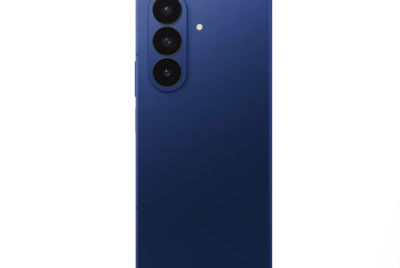
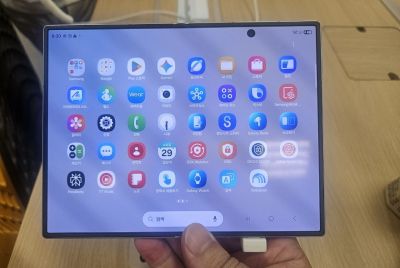
The most striking difference is physical design. Samsung engineered the Z Fold 7 to feel as close as possible to a traditional slab phone. It measures just 8.9mm thick when folded and an astonishing 4.2mm when unfolded, weighing only about 215-216 grams. Reviewers consistently praise how pocketable and comfortable it feels for all-day carry, describing it as transformative for first-time foldable users who previously found the category too bulky.
In contrast, the Pixel 10 Pro Fold remains noticeably thicker and heavier — over 40 grams more than the Z Fold 7 in many measurements. While still an improvement over earlier Pixel Folds, it does not match Samsung's refinement in this area. Many testers say the weight difference becomes evident during prolonged use, especially when holding the device unfolded for media consumption or multitasking.
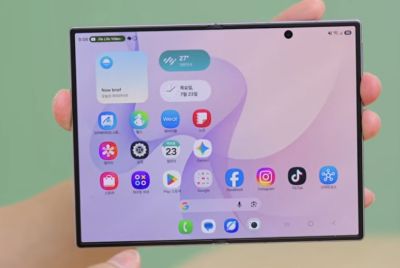
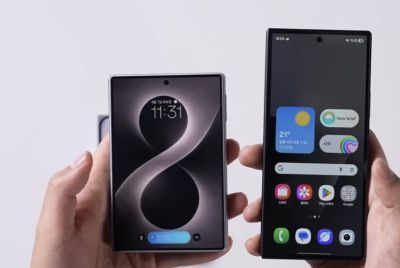
Display quality is competitive but favors Samsung slightly for everyday versatility. Both offer roughly 8-inch inner folding panels with 120Hz adaptive refresh rates and high peak brightness reaching 3,000 nits or more. The Z Fold 7's 6.5-inch cover display features a taller 21:9 aspect ratio that many find more usable for one-handed operation compared with the Pixel's 6.4-inch outer screen. Crease visibility has improved on both, but Samsung's panel often edges out in outdoor visibility and color vibrancy according to side-by-side tests.
Performance leans toward Samsung. The Galaxy Z Fold 7 is powered by the Snapdragon 8 Elite for Galaxy, an overclocked flagship chip that delivers superior benchmark scores and smoother gaming. Paired with 12GB RAM (or 16GB on 1TB models), it handles demanding tasks like video editing and heavy multitasking with less thermal throttling. Google's Tensor G5 in the Pixel 10 Pro Fold prioritizes AI efficiency over raw speed; it includes 16GB RAM standard and excels in on-device machine learning features, but falls behind in sustained performance for graphics-intensive games.
Battery life tells the opposite story. The Pixel 10 Pro Fold packs a larger 5,015mAh cell and routinely delivers longer endurance, often lasting well into a second day of moderate use. The Z Fold 7's 4,400mAh battery is adequate for most users but frequently requires topping up by evening, especially with the inner display active. Charging speeds are modest on both — 25W wired for Samsung and 30W for Google — with wireless options available.
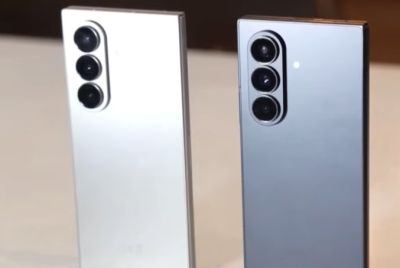
Camera systems showcase the brands' traditional strengths. Samsung equips the Z Fold 7 with a 200MP main sensor that captures highly detailed shots and offers strong zoom capabilities. Reviewers note excellent low-light performance and natural colors in many conditions. Google's Pixel 10 Pro Fold relies on computational photography magic, delivering cleaner, more vibrant and consistently color-accurate images, particularly in challenging lighting. While the Pixel's hardware specs appear lower on paper, its AI-driven processing often produces more pleasing results for casual shooters and content creators. Video recording and specialized features like audio sync also tilt toward Google.
Software and multitasking represent another key divide. Samsung's One UI 8 on Android 16 provides extensive customization, advanced split-screen and multi-window features that power users love. The Z Fold 7 feels optimized for productivity, with seamless app continuity when unfolding. Google's stock-like Android experience on the Pixel 10 Pro Fold offers cleaner navigation, faster updates and deeper integration with Gemini AI tools. However, it lacks some of Samsung's foldable-specific optimizations for heavy multitasking.
Durability and build quality favor Google in one important area: the Pixel 10 Pro Fold carries a full IP68 rating for dust and water resistance, making it more suitable for outdoor or dusty environments. Samsung's Z Fold 7 improves on previous generations but stops at IP67/IP48-level protection in some reports. Both devices have enhanced hinge durability, though foldables in general still require careful handling.
Pricing and value depend on priorities. At $1,799, the base Pixel 10 Pro Fold undercuts the Z Fold 7's $1,999 entry point and includes more RAM by default. Higher storage tiers widen the gap, with 1TB models pushing Samsung closer to $2,400. Trade-in deals and carrier promotions can narrow the difference, but Samsung commands a premium for its refined design.
Early 2026 reviews and user feedback reflect the split. Many who prioritize portability, performance and a premium feel lean toward the Galaxy Z Fold 7, calling it the best foldable for most people. Others praise the Pixel 10 Pro Fold for better battery life, cameras in real-world scenarios, durability and the pure Google experience at a lower price. Some buyers switch between both, using the Samsung for its slim profile and the Pixel for travel or photography.
Long-term software support favors Google, which typically delivers seven years of updates. Samsung has closed the gap significantly but still trails slightly in promised platform longevity. Both receive regular security patches and feature drops.
For buyers deciding in April 2026, the choice boils down to lifestyle. Frequent travelers or those who value a phone-like folded experience and top-tier performance should consider the Galaxy Z Fold 7. Users who need all-day battery, excellent computational photography, stronger dust/water resistance and seamless AI features may prefer the Pixel 10 Pro Fold.
Neither device is perfect. Foldables remain expensive, crease visibility persists to varying degrees, and repair costs are high. Yet both represent meaningful progress in making the category more practical for everyday users.
As the foldable market matures, Samsung continues to lead on hardware refinement while Google differentiates through software intelligence and value. The Galaxy Z Fold 7 currently holds a slight edge in most head-to-head reviews for its overall balance, but the Pixel 10 Pro Fold wins converts with its strengths in battery, cameras and affordability.
Prospective buyers should test both in-store if possible, as the feel of a foldable in hand often decides the winner more than specs alone. With trade-in programs and potential summer sales approaching, now remains an excellent time to evaluate which 2026 flagship foldable better suits individual needs.
© Copyright 2026 IBTimes AU. All rights reserved.
- Recommended For You