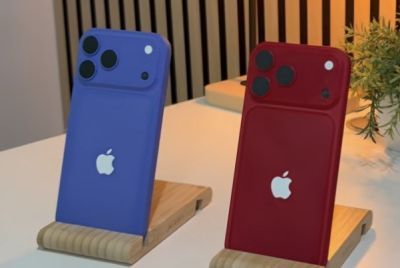
iPhone 18 Pro Max vs. Galaxy S26 Ultra: Camera Showdown Heats Up as Rumors Point to Variable Aperture
As smartphone giants Apple and Samsung gear up for their 2026 flagships, early leaks and analyst reports suggest the iPhone 18 Pro Max and Galaxy S26 Ultra could deliver one of the most competitive camera battles in years. With both devices still months from official launch—expected in September for Apple and February for Samsung—speculation centers on whether Apple's rumored variable aperture system will outshine Samsung's brighter apertures and massive sensor resolutions in real-world photography.
The iPhone 18 Pro Max is shaping up as a significant evolution from the iPhone 17 Pro Max, particularly in camera hardware. Multiple supply-chain reports indicate Apple is testing a variable aperture on the main rear wide camera, a first for iPhones. This mechanical iris would allow dynamic adjustment from wider openings (for low-light capture) to narrower ones (for better depth of field in bright conditions), mimicking DSLR controls. Analysts like Ming-Chi Kuo and leakers such as Digital Chat Station have repeatedly confirmed Apple is advancing with suppliers for this feature on the iPhone 18 Pro models.
The main sensor is expected to remain around 48 megapixels but benefit from the variable aperture (potentially f/1.6 to f/22 range in some leaks), a larger aperture telephoto lens (improved from f/2.8), and possibly a three-layer stacked sensor from Samsung for faster readout, reduced noise, and enhanced dynamic range. Additional rumors point to a teleconverter for extended zoom reach and a upgraded front camera to 24 megapixels (up from 18MP or similar on predecessors) for sharper selfies. These upgrades aim to give users more creative control over exposure, bokeh, and low-light performance without relying solely on computational photography.
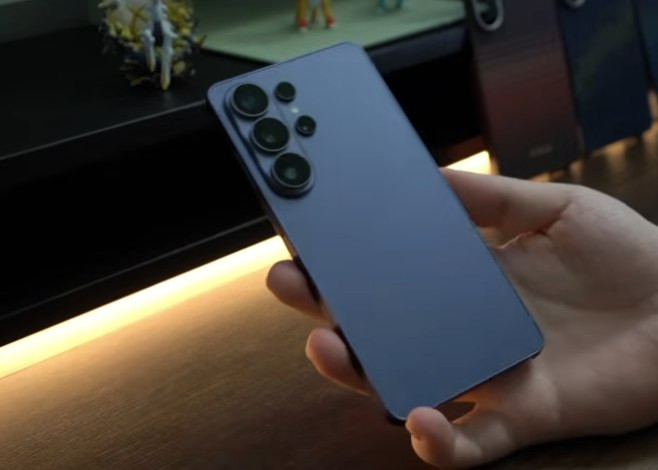
In contrast, the Galaxy S26 Ultra builds on Samsung's established quad-camera prowess with hardware-focused refinements rather than revolutionary new mechanics. Leaks consistently describe a 200MP main sensor (likely the ISOCELL HP2) upgraded to a brighter f/1.4 aperture from f/1.7 on the S25 Ultra, allowing roughly 47% more light intake for superior low-light stills and reduced motion blur. The 5x periscope telephoto jumps to f/2.9 (from f/3.4), promising about 50% better brightness and detail at zoom levels. The ultrawide stays at 50MP with f/1.9, while the 3x telephoto sees a sensor downgrade to a smaller size (1/3.94-inch from larger prior versions), potentially impacting mid-range zoom quality.

Samsung emphasizes AI enhancements like improved Nightography, noise reduction in video, and optional 24MP output modes via Camera Assistant for finer detail without defaulting to full 200MP files. The system retains strong zoom capabilities up to 100x Space Zoom with optical quality at 2x, 3x, 5x, and 10x steps. Front camera remains 12MP, focusing on software polish over megapixel jumps.
Direct comparisons from leaks highlight trade-offs. Apple's variable aperture could provide unmatched flexibility for enthusiasts wanting manual-like control in portraits or landscapes, potentially delivering more natural bokeh and exposure accuracy. Samsung counters with raw light-gathering advantages on the main and 5x lenses, which could translate to cleaner night shots and videos—areas where Galaxy devices have historically excelled. However, the smaller 3x sensor on the S26 Ultra has drawn criticism as a step back, possibly ceding ground in hybrid zoom scenarios where iPhone's consistent 48MP array across lenses might offer uniformity.
Industry observers note the rivalry extends beyond specs to processing philosophies. Apple's Photonic Engine and Deep Fusion prioritize natural colors, skin tones, and consistency across scenarios, often winning praise for video stabilization and cinematic modes. Samsung's ProVisual Engine leans into vibrant processing, aggressive sharpening, and AI tools like object erasure or generative edits, appealing to users who want dramatic results straight from the camera.
Neither device has been tested head-to-head yet, but preliminary analyst takes suggest the iPhone 18 Pro Max might edge out in controlled low-light and portrait scenarios thanks to variable aperture's precision, while the Galaxy S26 Ultra could dominate in extreme zoom and bright-condition detail due to its 200MP foundation and brighter apertures. Video remains a wildcard: Apple's ecosystem integration and ProRes/Log support often favor creators, but Samsung's low-light video noise reduction teases could close the gap.
Broader context shows both companies responding to intensifying competition from players like Xiaomi (with 1-inch sensors) and Oppo (variable zoom telephotos). Apple's rumored upgrades arrive as the company pushes toward more pro-level tools, while Samsung doubles down on aperture brightness to maintain its zoom crown.
Pricing and availability will influence the outcome. The iPhone 18 Pro Max is expected to start around $1,199, maintaining parity with prior generations, while Galaxy S26 Ultra pricing rumors vary but could see slight adjustments amid component costs.
As March 2026 progresses, leaks continue to build anticipation. Apple's variable aperture represents a bold hardware leap after years of software dominance, potentially redefining smartphone photography control. Samsung's approach—brighter lenses on proven sensors—offers incremental but meaningful gains for everyday and zoomed shooting.
The true verdict awaits real units and independent reviews later this year. For now, the camera race between the iPhone 18 Pro Max and Galaxy S26 Ultra underscores how fiercely Apple and Samsung are pushing boundaries, giving consumers more reasons than ever to debate their next upgrade.
© Copyright 2026 IBTimes AU. All rights reserved.
- MOST POPULAR IN Technology