PlayStation 6 Rumors Point to 2028-2029 Launch with AI Features, Handheld and Possible Name Change
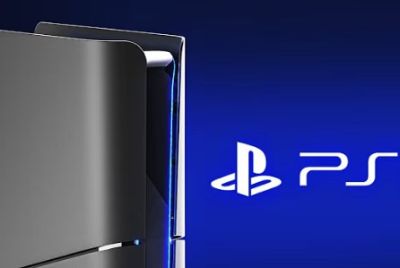
NEW YORK — Sony's next-generation PlayStation 6 remains years away from shelves, but fresh leaks and analyst reports in April 2026 have intensified speculation about its delayed timeline, ambitious hardware upgrades and a potential multi-device strategy that could include a dedicated handheld.
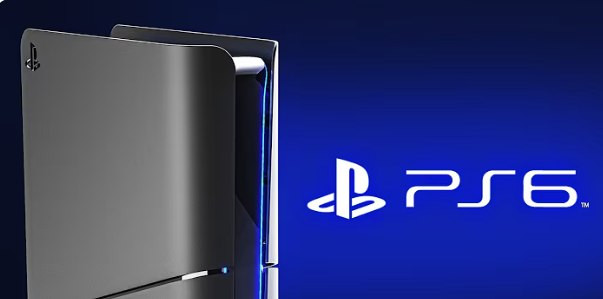
The console, long expected to follow the traditional seven-year cycle from the 2020 PS5 launch, now faces significant headwinds from a global memory chip shortage driven by explosive demand for AI data centers. Multiple sources indicate Sony is weighing a pushback from an original 2027-2028 target to as late as 2028 or even 2029, leaving fans betting heavily against any announcement before 2027.
Prediction markets such as Kalshi show only about 25 percent of bettors expect a PS6 reveal in 2026 or earlier, with the majority anticipating 2027 or beyond. The skepticism grew after a October 2025 video featuring PS5 lead architect Mark Cerny and AMD executive Jack Huynh discussed machine-learning technology called Project Amethyst, explicitly noting it was "still very early days" and suited for "a future console in a few years' time."
Insider Tom Henderson reported in late 2025 that both Sony and Microsoft were considering delays for their next consoles due to skyrocketing production costs, particularly for high-bandwidth memory. A February 2026 Bloomberg report corroborated the concerns, citing anonymous sources who said Sony was actively evaluating a shift to 2028 or 2029 because of limited supply and high prices for advanced RAM chips.
Despite the gloomier timeline, other leaks suggest development is progressing. YouTuber Moore's Law Is Dead and AMD insider KeplerL2 have claimed Sony remains on track for a competitive launch window, potentially aligning with Microsoft's rumored next Xbox to avoid ceding ground in the console wars. Some reports even point to hardware testing already underway and development kits possibly leaking by the end of 2026.
One of the most discussed rumors involves a radical shift in Sony's hardware strategy: launching three distinct PS6 models simultaneously. According to Moore's Law Is Dead, the lineup could include a standard PS6, a more affordable "PS6 Lite" or "PS6 S," and a dedicated handheld device codenamed "Project Canis." Pricing speculation ranges widely, with the Lite version potentially as low as $349-$399 and a premium model approaching $749-$999, reflecting higher component costs but also added features.
The handheld angle has generated particular excitement. Rumors describe Project Canis as a native PlayStation portable with its own custom AMD chip based on Zen 6 CPU cores and RDNA 5 graphics, built on TSMC's advanced 3nm process node for better power efficiency. It would reportedly run PS4 and PS5 games through backward compatibility, offering a true on-the-go experience beyond the current PS Portal streaming device.
On the main console side, expected specifications represent a substantial leap. Leakers point to a custom AMD Zen 6 CPU architecture with 8-10 cores (including high-performance and efficiency variants), paired with an RDNA 5 GPU capable of advanced ray tracing and significantly higher performance than the PS5's RDNA 2-based chip. Memory rumors center on 24-32GB of next-generation GDDR7 or even DDR7 RAM, delivering massive bandwidth improvements for faster loading, better multitasking and more complex game worlds.
AI integration appears poised to play a starring role. Successors to the PS5's PlayStation Spectral Super Resolution (PSSR) upscaling technology could include dedicated "Neural Arrays" for real-time AI-enhanced graphics, frame generation and even in-game assistance features. Cerny's comments on machine learning have fueled expectations that the PS6 will emphasize AI-driven efficiencies to deliver higher visual fidelity without proportionally higher power draw.
Backward compatibility remains a hot topic. Recent leaks claim the PS6 — and its handheld counterpart — will support PS4 and PS5 games at launch, with some speculation extending further to older PlayStation titles. Full compatibility would ease the transition for the massive installed base of PS5 owners and help Sony maintain momentum during the generational shift.
Storage is another area of focus. A base 1TB or larger SSD using faster next-generation interfaces seems likely, addressing one of the common complaints about the PS5's limited expandable storage options in its early years.
The potential for a name change has also surfaced in leaks, though details remain vague. Some reports suggest Sony could move away from the numeric "PS6" branding toward something more thematic or simplified, though no concrete alternatives have gained widespread traction.
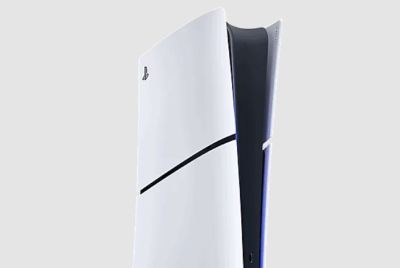
Sony has not commented officially on any PS6 details, maintaining its standard policy of silence until ready to reveal. The company continues to support the PS5 aggressively, with the PS5 Pro delivering a mid-generation performance boost and a steady stream of first-party titles keeping the current ecosystem vibrant. Analysts such as David Gibson from MST International have noted Sony's strategy of extending the PS5 lifecycle, which could further delay the need for a new flagship.
Financial pressures play a central role in the delay rumors. The AI boom has driven unprecedented demand for high-speed memory, driving up costs and creating supply constraints that affect everything from consumer electronics to data centers. For a console maker like Sony, which must balance performance, power consumption, heat management and retail pricing, these factors create difficult trade-offs.
If the PS6 does slip to 2028 or 2029, it would mark one of the longer gaps between PlayStation generations. The PS4 launched in 2013 and the PS5 in 2020, a seven-year span. Extending that further could allow Sony to refine technologies like cloud gaming integration, enhanced haptics in controllers and deeper AI features while mitigating component cost risks.
Competition will also shape the landscape. Microsoft's next Xbox, internally discussed under codenames like Project Helix, faces similar supply challenges. Nintendo's Switch 2 success could influence how Sony positions any handheld offering. The broader industry shift toward hybrid and portable play adds another layer of complexity.
Gamers on forums and social media have mixed reactions. Many express frustration over the potential wait but excitement about rumored specs and the handheld possibility. Others worry that higher prices could alienate core audiences, especially if premium models approach $1,000.
For developers, the extended PS5 support and cross-generation planning provide breathing room to optimize current titles while preparing for the next leap. Sony has already begun signaling to studios about winding down certain legacy PS4 support features in favor of newer cross-gen tools.
As 2026 progresses, more concrete leaks — particularly around development kits — could emerge, fueling further speculation. Prediction markets and insider chatter will likely fluctuate with each new report on chip supply or Sony's internal planning.
While nothing is confirmed, the emerging picture of the PlayStation 6 suggests a console designed not just for raw power but for a more flexible, AI-augmented and potentially portable future of gaming. Whether it arrives in 2027, 2028 or later, the next PlayStation generation promises to build on the PS5's foundation while addressing its limitations in memory, upscaling and on-the-go play.
Sony's silence keeps the rumor mill spinning, but one thing is clear: the PlayStation 6 is shaping up to be one of the most anticipated — and hotly debated — hardware launches of the late 2020s.
© Copyright 2026 IBTimes AU. All rights reserved.
- Recommended For You