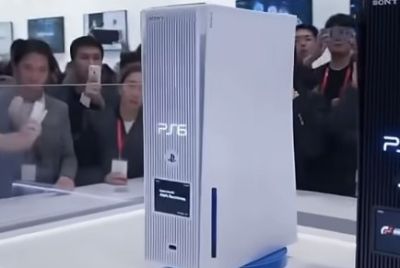
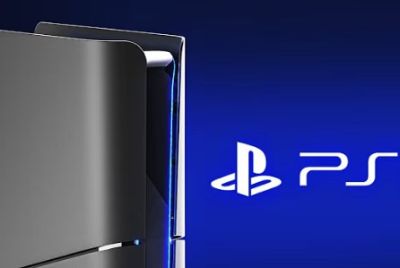
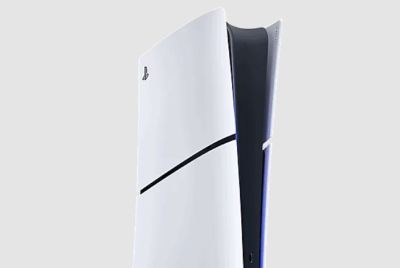
PlayStation 6 (PS6) Rumors Intensify: Sony Eyes 2027-2028 Launch with Powerful AMD Hardware
NEW YORK — As PlayStation 5 sales continue strongly into 2026, rumors about Sony's next-generation console — the PlayStation 6 — are heating up, with leaks suggesting a potential 2027 or 2028 release window, advanced AMD silicon delivering up to three times the performance of the PS5, and possible multiple device variants including a dedicated handheld.

Sony has remained completely silent on official plans for the PS6, consistent with its strategy of not discussing unreleased hardware. However, a steady stream of credible leaks and analyst reports in recent months has painted an increasingly detailed picture of what fans might expect from the next PlayStation console.
Multiple sources, including well-known leaker Moore's Law Is Dead and supply chain analysts, point to Sony targeting a late 2027 or early 2028 launch for the PS6. This would align with the traditional seven-to-eight-year console cycle Sony has followed since the PS3 era. However, some reports suggest possible delays into 2029 due to ongoing global memory chip shortages driven by artificial intelligence data center demand.
The hardware specifications reportedly center around a custom AMD APU featuring Zen 6 CPU architecture and RDNA 5 graphics. Leaks claim the flagship model could deliver approximately three times the rasterization performance of the PS5 and significantly higher ray tracing capabilities, potentially rivaling high-end PC graphics cards like NVIDIA's RTX 4080 or better in certain scenarios. RAM configurations of 24-32GB GDDR7 and fast storage solutions are also widely rumored.
One of the most intriguing aspects of the PS6 rumors involves Sony's reported multi-device strategy. Recent leaks suggest the company is developing not just a traditional home console but potentially a more affordable entry-level model and a dedicated handheld device codenamed "Canis." This would allow Sony to compete directly with Nintendo's Switch 2 while maintaining its premium positioning in the living room.
The handheld variant is said to use a smaller, more power-efficient chip with six CPU cores and a capable RDNA 5 GPU, aiming to deliver strong portable performance while maintaining compatibility with main console titles through cloud or streaming features.
Pricing speculation varies widely. The flagship model could launch between $700 and $1,000 depending on final specifications and included storage, while a budget version might target the $350-450 range to broaden accessibility. These figures remain highly speculative and will likely shift as development progresses.
Development appears well underway. Reports indicate that development kits could reach select studios as early as late 2026, giving developers sufficient time to prepare major titles for the new hardware. Several major first-party studios, including Naughty Dog, Insomniac and Santa Monica Studio, are believed to be already experimenting with PS6 target hardware.
The PS6 is expected to maintain strong backward compatibility with PS5 games, building on the successful implementation seen in previous generations. Sony has emphasized seamless transitions for players, a strategy that helped the PS5 establish itself despite launch challenges.
Analysts note that Sony is in a strong position heading into the next generation. The PS5 has sold exceptionally well, and the PS5 Pro refresh released in late 2025 has extended the current generation's lifespan. This gives the company breathing room to perfect the PS6 without rushing development.
Financial considerations are playing a major role in timing discussions. The ongoing RAM shortage caused by AI infrastructure demand has increased component costs significantly. Sony and Microsoft are reportedly both evaluating whether to delay next-gen consoles to secure better pricing and supply stability.
Despite the rumors of delays, many industry observers believe Sony remains committed to a competitive timeline. The company's heavy investment in first-party development and live service ambitions suggests it wants the PS6 ready to support its long-term gaming strategy.
For gamers, the PS6 rumors generate excitement mixed with patience. The PS5 continues receiving strong support with major titles still in development, reducing any immediate sense of urgency. However, the prospect of dramatically more powerful hardware with advanced ray tracing, faster load times and enhanced AI features has fans eagerly tracking every leak.
Sony's silence on the matter is typical but has not stopped the rumor mill. Betting markets like Kalshi show most participants expect no official PS6 announcement before 2027, reflecting skepticism about an accelerated timeline.
As development continues behind closed doors, the next 12-18 months will likely bring more concrete details through developer interviews, patent filings and supply chain movements. For now, the PS6 remains a tantalizing promise of the next evolution in console gaming.
Whether Sony launches in 2027, 2028 or later, one thing appears certain: the PlayStation 6 will aim to push technical boundaries while maintaining the accessible, high-quality gaming experience that has defined the brand for decades. Gamers worldwide will be watching closely as the rumors gradually turn into reality.
© Copyright 2026 IBTimes AU. All rights reserved.
- Recommended For You