Facebook and MessengerDown? Facebook Experience Widespread Outages Affecting Users Globally
Widespread disruptions impact users across multiple countries, highlighting reliance on Meta's platforms.
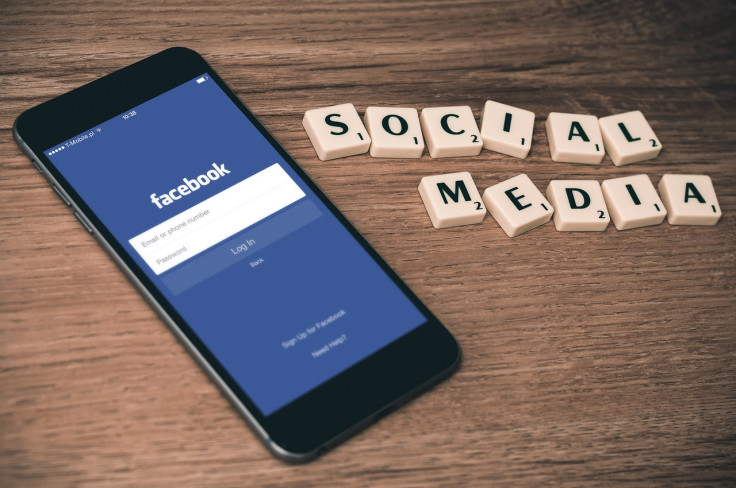
NEW YORK — Facebook and its Messenger service suffered widespread disruptions on Friday, leaving millions of users unable to access the platforms and sparking frustration across social media as service monitoring sites reported elevated outage levels.
The issues, which began impacting users in various regions including the United States, Canada, South Africa, the Philippines and parts of Europe, affected both the main Facebook feed and Messenger functionality. Many reported sudden logouts, error messages when attempting to reload profiles, and inability to send or receive messages.
Downdetector and similar tracking platforms recorded sharp spikes in user reports, with complaints centered on login failures, feed loading problems and complete service unavailability. The timing coincided with peak usage hours in multiple time zones, amplifying the disruption for individuals relying on the platforms for communication, business and daily updates.
Scope of the Outage
Users in multiple countries quickly took to X and other alternative platforms to report problems. Reports indicated issues with Instagram as well, suggesting broader Meta platform problems. One user in South Africa noted lack of access, while others in the Philippines and Canada confirmed similar experiences. In Italy and other European locations, users reported identical login and loading difficulties.
The outage appeared to affect both web and mobile app versions. Some users were unexpectedly logged out and encountered errors when trying to sign back in. Others saw blank feeds or persistent loading indicators. The problems were not universal but impacted a significant number of accounts worldwide.
Meta had not issued an official statement on the cause or expected resolution time as of midday Friday. The company's service status pages showed no major alerts initially, creating a disconnect between official monitoring and real-world user experiences — a common occurrence during partial or rolling outages.
User Reactions and Workarounds
Frustration was evident across social media. Many users expressed annoyance at the timing, particularly those using Messenger for personal and professional communication. Some speculated about potential causes, ranging from technical glitches to higher-than-normal traffic, though no confirmed explanation emerged.
Communities shifted to alternative platforms like X to coordinate and share updates. The account @status_is_down, which tracks service disruptions, actively monitored and responded to reports, confirming the issues and noting affected regions. Users from diverse locations, including Canada, the Philippines and Italy, provided real-time confirmations.
Downdetector itself faced related complaints in some areas, leading to humorous commentary about the scale of the disruption. One user quipped about needing to locate Xzibit in reference to the cascading failures.
Meta's History with Outages
Meta platforms have experienced notable outages in the past, sometimes lasting several hours and affecting billions of users globally. Previous incidents have been attributed to configuration errors, server overloads or backbone routing problems. The company typically resolves such issues through internal fixes and provides post-incident explanations.
Facebook and Messenger remain among the most widely used communication tools worldwide, with billions of monthly active users. Disruptions can have significant impacts on personal connections, small businesses and information flow, particularly in regions where alternatives are limited.
Broader Implications
The outage highlights the reliance many individuals and organizations have on Meta's ecosystem. For businesses using Facebook for marketing and customer engagement, or families staying connected via Messenger, even temporary downtime creates inconvenience and potential lost opportunities.
In an era of increasing digital dependence, such events raise questions about infrastructure resilience and the need for diversified communication channels. While Meta invests heavily in reliability, the global scale of its services makes complete prevention challenging.
Users are advised to check official Meta channels for updates and try basic troubleshooting steps such as restarting apps, clearing cache or switching networks. Patience is recommended as engineering teams work to restore full functionality.
Company Response Expectations
Meta has a track record of addressing outages promptly once identified. Past incidents have typically been resolved within hours, followed by transparency reports detailing root causes. Users can monitor @Meta or official help centers for any announcements.
The incident serves as a reminder of the fragility of centralized platforms despite their scale and resources. As digital services become more integral to daily life, expectations for uptime and rapid recovery continue to rise.
What Users Can Do
Affected individuals should avoid repeated login attempts that might exacerbate server load. Using alternative networks or devices can sometimes bypass localized issues. For critical communications, having backup methods such as email or other messaging apps is advisable.
Businesses relying on Facebook should prepare contingency plans for similar disruptions. Diversifying presence across multiple platforms can mitigate risks associated with single-service dependence.
Looking Ahead
As engineers address the underlying cause, normal service is expected to resume progressively. The event will likely be analyzed internally to prevent recurrence, potentially leading to infrastructure improvements.
In the meantime, users continue sharing experiences and seeking alternatives. The outage, while inconvenient, underscores both the reach of Meta's platforms and the challenges of maintaining uninterrupted global service.
Friday's disruption affected Facebook and Messenger users in multiple countries, highlighting the platforms' central role in modern communication. As Meta works toward full restoration, the incident adds to ongoing discussions about digital infrastructure reliability and user dependence on major technology companies.
The global scale of the problem serves as a notable reminder of how interconnected daily activities have become. Whether for personal connections or professional needs, the temporary unavailability of Facebook and Messenger impacted millions, prompting widespread calls for greater resilience in digital services.
© Copyright 2026 IBTimes AU. All rights reserved.
- Recommended For You