

Is Facebook Down Today? Outage Disrupts Millions as Users Report Widespread Access Issues
Millions affected as Facebook experiences widespread service disruptions, sparking discussions on digital reliance and infrastructure resilience.
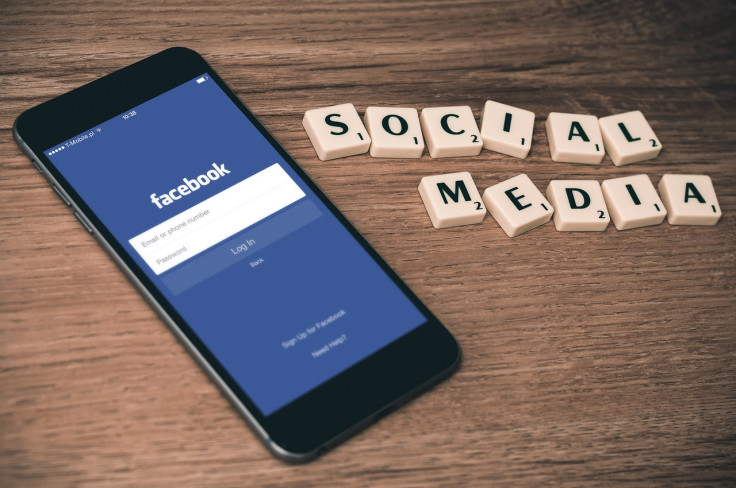
Facebook experienced a significant outage early Tuesday, leaving millions of users unable to access the social media platform and prompting widespread reports of service disruptions across its apps and website.
Downdetector, a website that tracks online service outages, began recording a sharp increase in user reports around 3:55 a.m. Eastern Time. Complaints included problems loading feeds, logging in and viewing content, affecting both the main Facebook platform and related services.
The outage appeared global in scope, with users from various regions reporting similar issues. Many turned to alternative platforms like X to share screenshots and confirm the problem was not isolated to their connections.
Meta Platforms Inc., Facebook's parent company, has not yet issued a detailed statement on the cause or expected resolution time. Company spokespeople typically investigate such incidents internally before providing public updates.
This latest disruption highlights the growing reliance on social media platforms for communication, news and commerce. Facebook remains one of the world's largest online networks, with billions of monthly active users who use it for staying connected with family, following news and engaging in communities.
Outages can have ripple effects beyond inconvenience. Businesses that rely on Facebook for advertising, customer service or sales may see temporary impacts. Individuals using the platform for personal updates or marketplace transactions also face interruptions.
Previous Meta outages have sometimes been linked to technical configuration errors, server issues or broader network problems. In 2021, a major incident took Facebook, Instagram and WhatsApp offline for several hours, costing the company millions in lost revenue and drawing regulatory attention.
Tuesday's event began in the early morning hours in the United States, potentially affecting users during peak activity periods in other time zones. Reports continued to accumulate as the morning progressed, though some users noted intermittent access later in the day.
Downdetector data showed the spike in problems centered on the website and mobile app, with fewer reports for Messenger in initial waves. The tool aggregates user-submitted issues and does not independently verify service status but provides a real-time snapshot of reported problems.
Social media users often react quickly to such events, sharing memes or switching to rival platforms. Tuesday's outage prompted discussions about digital dependency and the need for more resilient infrastructure.
Meta has invested heavily in data centers and network redundancy to minimize downtime. However, the complexity of its global systems, which handle enormous data volumes daily, means occasional disruptions remain possible even with robust engineering.
For users, the outage served as a reminder of platform vulnerabilities. Many reported difficulty accessing groups, events or marketplace listings, while others noted impacts on work-related communications.
Facebook's role in information dissemination makes outages particularly notable during times of news events or elections. While no major breaking story coincided with Tuesday's incident, the timing amplified frustration among daily users.
Meta's broader ecosystem includes Instagram and WhatsApp, which have experienced separate issues in the past. Coordinated outages across properties have occurred, though Tuesday appeared focused primarily on Facebook.
Company executives have emphasized reliability as a priority in earnings calls and public statements. Investments in artificial intelligence for content moderation and system optimization aim to improve overall stability.
The outage's duration and root cause will likely be detailed in subsequent updates. Meta typically resolves such incidents within hours, though some have extended longer.
Users experiencing problems were advised to check internet connections, update apps or wait for service restoration. Clearing cache or trying different devices can sometimes resolve localized issues, though widespread outages require company-side fixes.
Downdetector's real-time tracking has become a go-to resource for monitoring service health. Similar tools exist for other platforms, helping users distinguish between individual problems and systemic failures.
Broader context includes increasing scrutiny of big tech platforms' reliability and market power. Regulators worldwide monitor incidents that affect large user bases, particularly when they impact communication during critical periods.
For businesses, Facebook outages underscore the importance of multichannel strategies. Relying solely on one platform for customer engagement carries risks, as Tuesday's events demonstrated.
The incident also highlights ongoing debates about digital infrastructure resilience. As societies become more connected, the cost of downtime rises, prompting calls for greater redundancy and transparency from service providers.
Meta's stock has faced volatility in response to various operational and regulatory challenges. Outages contribute to perceptions of execution risk, though the company's overall financial performance has remained strong due to advertising revenue resilience.
Tuesday's disruption affected users differently based on location and usage patterns. Morning commuters in some regions reported inability to check updates, while others in different time zones faced issues during peak evening hours.
Recovery appeared gradual, with reports of partial restoration for some users later in the morning. Full resolution typically involves rerouting traffic and addressing underlying technical triggers.
Meta has a dedicated team for incident response, drawing on lessons from previous events to minimize future occurrences. Post-incident reviews often lead to infrastructure improvements.
For the average user, such outages serve as temporary inconveniences but reinforce reliance on multiple communication channels. Many maintain presence on competing platforms as backups.
The event provides another data point in discussions about platform dominance and societal dependence on private infrastructure for public discourse. While Meta offers free services, the scale of impact when they falter raises questions about accountability.
As digital services evolve, expectations for uptime increase. Companies like Meta face pressure to deliver near-perfect reliability while innovating rapidly in areas like artificial intelligence and virtual reality.
Tuesday's outage, though significant, appears less severe than some historical incidents based on initial reports. Monitoring will continue as more details emerge about scope and duration.
Users are encouraged to stay informed through official channels or alternative news sources during such events. Meta typically posts updates on its platforms once service is restored.
The incident underscores the interconnected nature of modern communication. A problem at one major platform can prompt shifts in activity across the digital landscape.
Meta's response and preventive measures will be watched closely by users, advertisers and regulators. Consistent reliability remains key to maintaining trust in its services.
As the day progressed, normal activity appeared to resume for many, though some lingering issues were reported in certain regions. Full analysis will require company confirmation.
Outages like this remind users of the fragility underlying seamless digital experiences. They also highlight the engineering challenges of maintaining global services at massive scale.
Meta continues to navigate a complex environment of technological innovation, user expectations and regulatory oversight. Tuesday's events add to the ongoing narrative of its operational resilience.
© Copyright 2026 IBTimes AU. All rights reserved.