Charles Schwab Trading App Down for Users on June 1 Sparking Widespread Complaints
Technical issues disrupt Charles Schwab's trading services, affecting millions of users during active market hours.
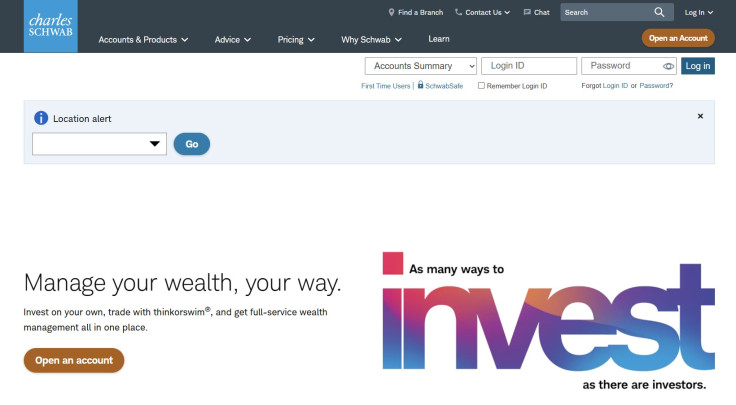
NEW YORK — Charles Schwab's trading platform experienced widespread disruptions on Monday, June 1, 2026, leaving many customers unable to access accounts, execute trades or view real-time market data during a volatile morning session.
Reports of outages began surfacing in the early afternoon Eastern time, with users taking to social media and online forums to complain about login failures, frozen dashboards and error messages preventing basic account functions. The service tracking account @status_is_down highlighted the issue, noting that Charles Schwab's mobile app and website appeared down for a significant number of customers.
The timing proved particularly frustrating for investors, coinciding with active market hours when many were monitoring positions or attempting to react to early June movements. Some users reported being locked out entirely, while others experienced delayed quotes and inability to place orders.
Charles Schwab has not yet issued a detailed public statement on the cause or expected resolution time. The company typically maintains robust backup systems, but occasional outages can occur due to technical glitches, high traffic volumes or routine maintenance.
Scope of the Disruption
Affected services included the main Charles Schwab mobile app, StreetSmart Edge platform and certain website functions. Customers reported difficulties checking balances, reviewing portfolios and accessing research tools. Phone support lines also experienced longer wait times as frustrated users sought assistance.
The outage affected both retail and active traders, with some reporting inability to manage retirement accounts or execute time-sensitive moves. In a period of heightened market sensitivity, such disruptions can create anxiety and potential financial impact for those unable to react to price movements.
Charles Schwab serves millions of customers and is one of the largest brokerage firms in the United States following its acquisition of TD Ameritrade. Its platforms handle substantial daily trading volume, making any outage highly visible and disruptive.
Customer Reactions and Impact
Social media platforms quickly filled with complaints from affected users. Many expressed immediate concerns about missed opportunities or inability to manage risk during active market conditions. Some reported repeated login attempts triggering security alerts, further complicating access.
The incident highlights the heavy reliance on digital platforms in modern brokerage services. While Charles Schwab has invested heavily in technology to enhance user experience and compete with fintech disruptors, occasional service interruptions underscore the challenges of maintaining complex, high-volume systems.
This is not the first time major brokerages have faced digital disruptions. Similar incidents have affected competitors including Fidelity, E*TRADE and Robinhood in recent years, often attributed to software updates, server issues or unexpected traffic spikes.
Broader Context of Brokerage Outages
Regulatory bodies such as the Securities and Exchange Commission and the Financial Industry Regulatory Authority monitor such events to ensure firms maintain adequate system resilience. While no widespread fraud or security breach has been linked to this outage, customers are advised to monitor accounts closely once services resume.
Financial technology analysts suggest that as brokerages invest more in digital infrastructure and attract newer, tech-savvy customers, the visibility and frequency of outages may increase. However, most large firms recover quickly, often within hours rather than days.
Charles Schwab has historically communicated transparently during past incidents, providing estimated resolution times and apologies to affected customers. The firm's parent company has reported strong financial performance in recent quarters, with digital adoption continuing to grow.
What Customers Should Do
During outages, Charles Schwab typically recommends using alternative access methods where available, such as calling customer service or using backup platforms if available. However, phone lines can become overwhelmed during widespread issues.
Customers experiencing problems are encouraged to:
- Check Charles Schwab's official status page or social media channels for updates.
- Avoid repeated login attempts that could trigger security locks.
- Use alternative devices or browsers if attempting web access.
- Monitor accounts for any unusual activity once services return.
For urgent matters, contacting local branches may provide limited assistance, though digital systems remain the primary channel for most trading and account management functions.
Charles Schwab's Digital Strategy
Charles Schwab has heavily promoted its digital offerings in recent years, investing billions in technology to enhance user experience and compete with newer fintech platforms. The company's app and website consistently rank highly for features and usability when operational.
Despite this focus, occasional service interruptions highlight the inherent challenges of maintaining complex, high-volume trading systems that must operate with near-perfect uptime. Charles Schwab has emphasized resilience and redundancy in its technology infrastructure as key priorities.
The firm's integration of TD Ameritrade's technology has expanded its capabilities but also increased system complexity. Leadership has stressed ongoing investment in reliability as client expectations for 24/7 availability continue to rise.
Potential Causes and Prevention
While the exact cause of the June 1 outage remains unconfirmed, common triggers for brokerage disruptions include routine maintenance, software bugs, network congestion or third-party service failures. Cybersecurity threats are routinely investigated in these scenarios, though no evidence of malicious activity has been reported.
Brokerages employ multiple layers of redundancy, including backup data centers and failover systems, to minimize downtime. Industry standards and regulatory requirements mandate robust disaster recovery plans, particularly for systemically important firms like Charles Schwab.
This event may prompt internal reviews to prevent future occurrences, particularly as customer expectations for seamless digital access continue to evolve. Enhanced monitoring and stress testing are common responses to such incidents.
Looking Ahead
As of late Monday morning, partial recovery reports began emerging, though many users continued experiencing issues. Service status accounts continued monitoring developments, with customers expressing hope for a swift resolution.
The outage serves as a reminder of the vulnerabilities in digital financial systems. For most customers, services are expected to normalize within hours, but the episode may linger in memory for those affected during critical trading moments.
Charles Schwab customers are advised to exercise patience and utilize available alternatives. The firm is likely to address the matter formally once full operations resume, potentially offering goodwill gestures to impacted users as seen in previous cases.
This incident occurs against a backdrop of generally stable brokerage operations nationwide. Broader market conditions remain relatively steady, with no systemic concerns raised by regulators regarding Charles Schwab or the industry at large.
For investors, maintaining multiple brokerage relationships or having contingency plans for access during outages can provide buffers against temporary disruptions. As technology evolves, so too do expectations for reliability and rapid response from financial service providers.
The June 1 Charles Schwab outage, while inconvenient, appears technical in nature and contained. Customers should continue checking official channels for the latest information as the situation develops throughout the day.
Note: Spokesman from Charles Schwab reached out with a comment "The brief intermittent issue some clients experienced was resolved at approximately 12:30 a.m. Australian Eastern Standard Time (AEST). We apologize for any inconvenience it may have caused."
© Copyright 2026 IBTimes AU. All rights reserved.
- Recommended For You