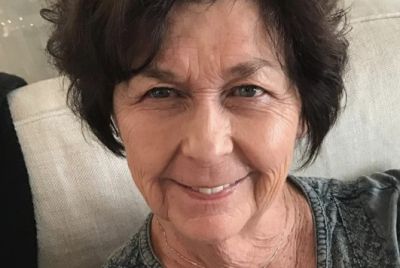
Nancy Guthrie Update: Former Detective Says Nancy Suspect Names Likely Buried in 50,000 Leads
Former detective Robbie Mayer believes key information is already in investigators' hands.

TUCSON, Ariz. — A retired Pima County sheriff's detective who cracked one of Tucson's most notorious cold cases believes authorities investigating the disappearance of Nancy Guthrie may already have the suspects' names among tens of thousands of tips received since the 84-year-old vanished from her Catalina Foothills home.
Robbie Mayer, the former detective who helped solve the "Prime Time Rapist" case in 1986, shared his insights into the high-profile investigation that has drawn national attention as the mother of NBC "Today" show co-anchor Savannah Guthrie. More than 110 days after Guthrie was last seen on Jan. 31, 2026, no arrests have been made, but Mayer expressed confidence that critical information is already in investigators' hands.
"We ended up with more than 4,000 leads," Mayer recalled of the Prime Time Rapist investigation. "One of the detectives had Larriva's name as a lead, but he hadn't gotten to it yet because he had so many leads in front of that."
The Prime Time Rapist, identified as Brian Larriva, terrorized Tucson women from 1983 to 1986, breaking into homes, burglarizing them and sexually assaulting residents. Larriva died by suicide as police surrounded his home. The case left a lasting mark on the community, particularly in the Foothills area where some victims lived near Guthrie's residence.
Mayer drew parallels to the Guthrie case, where authorities have reportedly received around 50,000 tips. "I believe the suspect's names are in those 50,000. The question is if they can recognize it when they see it. Being in a case like this is like being in a field with rocks and what you're looking for is under one rock. You just have to keep turning."
The retired detective theorized that more than one person could be involved, possibly linked to a theft group that targeted elderly victims with financial resources in the Phoenix area two years ago. However, he stressed the unique challenges of the case.
"This case is so unique. Most of the time we try and find patterns. We can't in this case," Mayer said. "These guys came prepared not to leave hair or DNA. Look at how that guy was clothed. They turned off their cell phones."
Doorbell camera footage released early in the investigation showed a masked individual with a gun at Guthrie's door on the night she disappeared. Drops of blood believed to be hers were found on the property, and DNA analysis is ongoing. Sheriff Chris Nanos has said the forensics team is getting closer to identifying the contributor.
"I know we have DNA that is unknown, who the contributor or depositor is, but I think they're getting closer to finding out who that was," Nanos told People magazine.
Mayer praised the current investigation's caliber. "This is a very high-caliber investigation, and I think the FBI is gonna crack the case," he added.
The case has captivated public interest, with a $50,000 reward offered by the FBI and additional incentives from the Guthrie family. Ransom notes received by the family have been part of the investigation, though details remain limited. No suspects have been publicly named, and family members have been cleared.
Pima County Sheriff Chris Nanos has pushed back against descriptions of the case as "cold," saying it would only reach that status if labs confirm they cannot identify the blood evidence. Investigators continue processing leads, including surveillance footage and tips about potential vehicles of interest.
For residents in the Foothills neighborhood, the disappearance has stirred memories of the Prime Time Rapist era. "It changed people's lifestyle because children were afraid to sleep in their own bedroom," Mayer said of that earlier crime wave.
Mayer urged patience as the investigation advances. "It takes a lot of diligence and willpower," he stated. "Some guys I've chased for 18 months before I caught them, one guy I was after for five years, but I think you have to be patient and don't get discouraged."
The disappearance occurred after Guthrie spent an evening at her daughter Annie's home. She missed a church livestream the next morning, prompting family concern. Authorities describe it as a likely abduction, with signs of a targeted attack.
As the search enters its fourth month, community efforts continue with flyers, vigils and social media campaigns. The involvement of the FBI has brought additional resources, including analysis of potential cross-border elements early in the probe.
Forensic work remains central. Beyond the blood evidence, items like gloves found nearby have been examined. A bone discovered near the property was later determined to be ancient and unrelated.
Mayer's perspective offers a seasoned view on sifting through massive tip volumes. In the Prime Time Rapist case, connecting Larriva through a drug dealer proved pivotal after months of work. Similar breakthroughs could emerge in the Guthrie investigation as patterns or connections surface among the leads.
Law enforcement officials have not ruled out multiple perpetrators. The professional preparation suggested by the lack of DNA and disabled phones points to sophisticated actors, according to Mayer's analysis. This has complicated traditional investigative patterns.
The national spotlight on the case, fueled by Savannah Guthrie's public profile, has generated widespread tips but also intense scrutiny. Sheriff Nanos and his department have faced questions about management and priorities, including during a recent Pima County Board of Supervisors meeting.
Despite frustrations over the lack of quick resolution, Mayer's message emphasizes persistence. The volume of leads, while overwhelming, increases the statistical chance that key information is already logged in the system awaiting proper review and connection.
As summer approaches in Tucson, the search for answers continues. Investigators are following up on multiple locations and maintaining inter-agency cooperation. The Guthrie family has expressed gratitude for public support while appealing for any additional information.
Mayer's experience solving a decades-old pattern of crimes in the same region lends credibility to his optimism. His belief that the suspects' identities may already be in the database serves as both reassurance and a call for thorough, methodical police work.
The case highlights broader challenges in missing persons investigations involving elderly victims, where targeted theft or abduction can leave minimal traces. Advanced DNA technology and digital forensics offer new tools that were unavailable during the Prime Time Rapist era.
Community members in the affluent Foothills area have heightened security awareness. The contrast between the quiet neighborhood and the violent intrusion has unsettled residents long familiar with the earlier serial crimes.
Looking forward, officials hope forensic breakthroughs or a tip that connects disparate pieces of information will provide resolution. Until then, the investigation proceeds with the steady determination Mayer described from his own career.
The Nancy Guthrie case serves as a stark reminder of vulnerability and the complexities of modern investigations, even with significant resources deployed. As leads continue to be processed, authorities maintain that every tip matters in the search for justice.
© Copyright 2026 IBTimes AU. All rights reserved.
- Recommended For You