10 Must-Know Facts About Tim Cook's Historic Apple CEO Transition in 2026
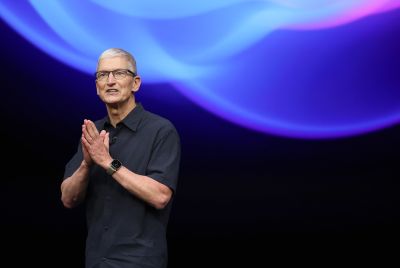
On April 20, 2026, the tech giant announced that CEO Tim Cook will step down from the role he has held since 2011, handing day-to-day leadership to longtime hardware chief John Ternus effective September 1, 2026. Cook, 65, will transition to executive chairman of the board while remaining actively involved in strategy, policy and oversight.
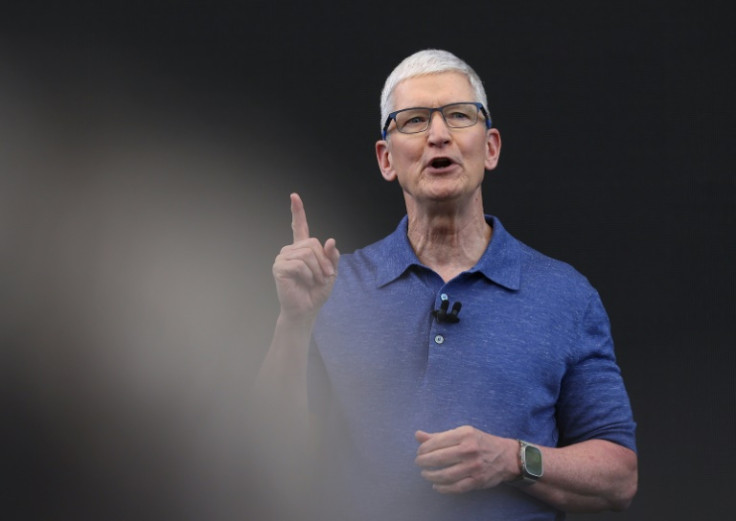
Here are the 10 essential things you need to know about this major transition:
- Tim Cook is stepping down after nearly 15 years as CEO. Cook succeeded Steve Jobs in August 2011 and guided Apple through explosive growth. The company's market value surged from about $350 billion to over $4 trillion under his watch, fueled by iPhone dominance, services expansion and successful wearables like the Apple Watch and AirPods.
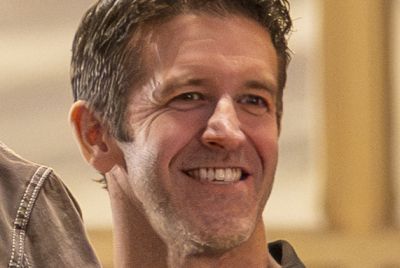
- John Ternus, Apple's senior vice president of hardware engineering, will become the new CEO. Ternus, a 25-year Apple veteran who joined in 2001, has overseen hardware engineering since 2021. He played key roles in developing the iPhone, Mac, iPad and Apple's custom M-series and A-series chips. His deep product and engineering expertise makes him a natural internal successor focused on innovation and vertical integration.
- The transition follows a thoughtful, long-term succession plan. Apple described the move as carefully prepared rather than sudden. The board unanimously approved it, and Cook will stay in the CEO role through the summer to ensure continuity before Ternus takes over on September 1.
- Cook will remain deeply involved as executive chairman. Unlike a full retirement, Cook's new position keeps him engaged with board matters, global policy engagement and strategic decisions. This setup provides stability while allowing Ternus to lead operations. Arthur Levinson will shift to lead independent director.
- The announcement triggered modest market reaction with overall positive analyst sentiment. Apple shares showed limited movement in after-hours trading on April 20. Wall Street largely views the handover as orderly and well-timed, with many praising Ternus's technical background as ideal for navigating the AI era and future hardware innovations.
- Supporting executive changes emphasize hardware and silicon strength. Johny Srouji, longtime head of silicon, was elevated to chief hardware officer. These shifts highlight Apple's continued focus on designing its own chips, devices and software in-house — a core competitive advantage heading into advanced AI features and potential new product categories.
- Cook leaves Apple in exceptionally strong financial health. The company boasts more than 2 billion active devices worldwide, robust services revenue and a massive cash reserve. Recent quarters showed solid growth, with Apple Intelligence positioned as a privacy-first approach to AI that Cook has championed.
- The timing aligns with Apple's 50th anniversary reflections and upcoming product cycles. The transition comes as the company looks toward the next wave of innovations, including broader Apple Intelligence rollout, potential hardware refreshes and long-rumored advancements in areas like augmented reality or health technology.
- Ternus's hardware roots signal a product-first future. Analysts note that elevating a deeply technical leader like Ternus could accelerate integration between silicon, devices and intelligent software. It positions Apple to deliver on Cook's teased "never seen before" innovations while maintaining the company's emphasis on design, privacy and user experience.
- This marks the end of the Cook era but not his influence at Apple. Cook transformed Apple into a services powerhouse, mastered global supply chains, expanded into new markets like India and defended privacy as a core value. His continued role as executive chairman ensures institutional knowledge remains while Ternus charts the next chapter.
The news dominated tech headlines on April 21, 2026, with reactions ranging from nostalgia for Cook's steady leadership to excitement about fresh energy under Ternus. In his public letter, Cook expressed deep gratitude, calling his time as CEO "the privilege of a lifetime" and voicing confidence in Apple's bright future.
For investors, the transition raises key questions: How quickly will Ternus accelerate AI integration? Can Apple deliver bold new hardware breakthroughs? Will the company maintain its operational discipline while pursuing growth in emerging areas?
Industry observers emphasize that Apple's culture of secrecy and excellence is likely to continue unchanged. The vertical integration model — from custom chips to finished devices — remains a major moat, and Ternus has been central to that strategy for years.
Cook's legacy includes not only financial success but also advocacy on privacy, environmental responsibility and education initiatives. He has navigated regulatory challenges, testified before lawmakers and maintained dialogue with policymakers worldwide.
As September 1 approaches, attention will shift to Apple's fiscal second-quarter earnings on April 30 and any hints about future direction during the call. Analysts expect Cook and CFO Kevan Parekh to address the leadership news alongside strong quarterly results guided for continued revenue growth.
For consumers and fans, the transition may feel distant but carries long-term implications for product roadmaps. Ternus's hardware focus could mean tighter integration across the ecosystem, potentially faster innovation cycles and a continued emphasis on premium, high-quality experiences.
Social media and tech forums buzzed with analysis on April 21. Many highlighted the smooth nature of the handover compared to past high-profile tech successions. Others speculated on whether Ternus will introduce a more engineering-driven vision or maintain Cook's operational excellence.
Apple's official newsroom statement stressed continuity: day-to-day operations will proceed without disruption, and the company remains committed to its values of creativity, privacy and excellence.
With Cook transitioning to chairman, the spotlight now turns to how Ternus will put his imprint on Apple while honoring the foundation built over the past decade and a half. The tech giant enters its next era with a strong balance sheet, loyal customer base and ambitious plans for artificial intelligence and beyond.
As the summer unfolds, expect more details on the handover process and early signals from Ternus about his priorities. For now, the message from Cupertino is clear: a new chapter begins in September, but Apple's core DNA — innovation rooted in exceptional hardware and software — remains firmly intact.
This leadership change represents both a symbolic passing of the torch from the post-Jobs era and a strategic evolution as Apple confronts intensifying competition in AI, foldable devices and global markets. Tim Cook's steady hand built an enduring institution; John Ternus now inherits the challenge of steering it forward.
© Copyright 2026 IBTimes AU. All rights reserved.
- Recommended For You