Tim Cook Exit Rocks Apple: How CEO Transition to John Ternus Could Shake AAPL Stock
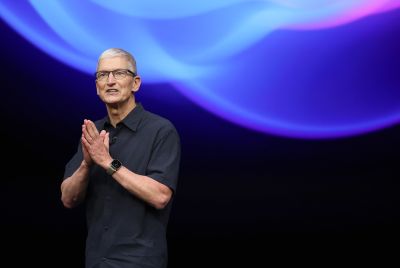
CUPERTINO, Calif. — Apple Inc. faces a pivotal leadership shift as longtime CEO Tim Cook prepares to step down on Sept. 1, handing the reins to hardware engineering chief John Ternus while Cook moves into the role of executive chairman.
The surprise announcement on April 20 sent ripples through Wall Street, with Apple shares slipping in extended trading amid investor uncertainty over the transition at the world's most valuable technology company.
Cook, 65, has steered Apple since August 2011, transforming it from a $350 billion market-cap firm into a behemoth now valued near $4 trillion. Under his watch, the stock has soared more than 1,900%, far outpacing the broader market. Yet the news of his departure — part of what Apple described as a "thoughtful, long-term succession planning process" — has raised questions about continuity, innovation momentum and how investors will price in the change.
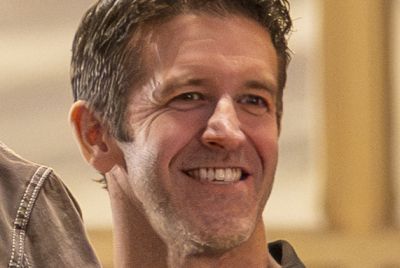
Ternus, 50, joined Apple in 2001 and rose to senior vice president of hardware engineering. He has played key roles in the development of the iPad, AirPods, the latest iPhone lineups and the successful transition of Mac computers to Apple silicon chips. His promotion signals a potential tilt toward deeper product and engineering focus as Apple navigates artificial intelligence advancements, iPhone refreshes and services growth.
Analysts and investors offered mixed early reactions. Some viewed the move as orderly and reassuring because Ternus is a longtime insider with strong internal respect. Others expressed caution, noting that Ternus remains relatively unknown to broader markets compared with Cook's polished operational expertise. Apple shares, which had shown volatility in recent sessions, dipped following the after-hours announcement, reflecting typical uncertainty around high-profile CEO changes.
Wall Street has seen similar transitions before. When Cook succeeded the late Steve Jobs, Apple stock experienced initial jitters but ultimately delivered massive gains as the company scaled manufacturing, expanded services and introduced hit products like the Apple Watch and AirPods. History suggests that smooth, internal handovers at mature tech giants often stabilize rather than derail performance over time.
Yet the immediate market response highlighted concerns. Some shareholders, including those quoted in financial commentary, suggested the news could serve as a "sell" signal if execution falters during the handover period. Apple's stock has already faced pressure in 2026 from mixed iPhone demand signals, slower AI feature rollouts and broader macroeconomic factors. The leadership announcement adds another layer of near-term volatility.
Cook will remain deeply involved as executive chairman, providing strategic oversight and continuity. He is expected to work closely with Ternus through the summer to ensure a seamless transition. Apple also announced related board adjustments, including Arthur Levinson becoming lead independent director and Ternus joining the board.
The timing aligns with Apple's annual September product event, traditionally a showcase for new iPhones and other devices. Analysts noted that placing the CEO transition just before this high-visibility period could allow Ternus to step into the spotlight with major announcements, potentially easing investor nerves if the lineup impresses.
Longer-term effects on the stock will likely hinge on several factors. First is execution risk: Can Ternus maintain Apple's legendary supply chain efficiency while accelerating innovation in AI, spatial computing and health technologies? Cook built his reputation on operational excellence, global manufacturing scale and capital returns through aggressive share buybacks. Ternus's background skews more toward hardware design and engineering, which could shift emphasis toward product breakthroughs.
Second, Apple's growth narrative has evolved under Cook from hardware dominance to a balanced mix of devices and high-margin services. Services now generate steady recurring revenue, helping insulate the company from iPhone sales cycles. Investors will watch whether Ternus sustains or accelerates this trajectory.
Third, the competitive landscape looms large. Apple is pouring resources into Apple Intelligence features, but rivals like Google, Microsoft and emerging AI players continue to push aggressively. Any perception that the transition slows Apple's AI momentum could weigh on the stock, which already trades at a premium valuation.
Analysts at firms tracking the stock have begun updating models. Early commentary suggests the transition itself may not drastically alter fundamentals in the short run, given Cook's continued involvement and Apple's deep bench of talent, including software chief Craig Federighi and others. However, sustained outperformance will require tangible progress on next-generation products and services.
Institutional investors appear divided. Some long-term holders see the move as positive, pointing to Ternus's proven track record on hardware projects that have driven Mac market share gains and reliable product quality. Others worry about the "big shoes to fill" narrative, recalling how Jobs' passing initially created uncertainty before Cook proved himself.
Broader market context also matters. Tech stocks have shown resilience in 2026, but concerns over interest rates, geopolitical tensions and consumer spending persist. Apple's massive share repurchase program — which has returned hundreds of billions to shareholders — has supported the stock price. Continuity in capital allocation strategy will be closely monitored.
Historical parallels offer perspective. CEO transitions at other mega-cap tech companies have produced varied results. Some led to short-term dips followed by recovery as new leaders demonstrated vision. Others faced prolonged pressure if strategic missteps emerged. Apple's strong balance sheet, loyal customer base and ecosystem lock-in provide significant buffers.
Ternus is not entirely untested in broader leadership. Recent moves expanded his oversight to include design teams, signaling deliberate grooming by Cook and the board. Johny Srouji, longtime chip leader, was also elevated to chief hardware officer in related announcements, reinforcing hardware strength.
For retail investors, the transition injects fresh uncertainty into a stock many hold as a core long-term position. Financial advisers generally recommend viewing such news through a multi-year lens rather than reacting to immediate price swings. Apple's fundamentals — robust cash flow, growing installed base and innovation pipeline — remain intact regardless of the CEO title.
Cook's legacy is already secure. He took over a company reeling from Jobs' health issues and delivered consistent growth, navigating trade tensions, pandemic disruptions and shifting consumer habits. Market capitalization exploded under his tenure, creating enormous shareholder value. His shift to executive chairman allows him to advise without day-to-day operational burdens while preserving institutional knowledge.
Looking ahead, the September 1 effective date gives markets several months to digest the news before the formal change. Apple's upcoming earnings reports and product events will serve as key checkpoints. Strong guidance or compelling hardware/software reveals could offset transition jitters.
Wall Street consensus still largely favors Apple as a core holding, citing its defensive qualities and long-term growth potential in premium consumer technology. However, some voices caution that the stock could face heightened volatility through the summer and into fall as investors scrutinize every signal from the new leadership team.
In letters and statements, Cook emphasized his deep commitment to Apple, noting he "can't imagine life without" the company even as he steps back from the CEO role. Ternus has yet to make extensive public comments, but insiders describe him as highly respected and technically adept.
The transition also spotlights Apple's bench depth. Over recent years, the company has seen other executive shifts, including the retirement of longtime COO Jeff Williams and changes in finance leadership. These moves have been framed as natural evolution rather than disruption.
Ultimately, Apple stock performance will reflect results more than titles. If iPhone cycles rebound, AI features gain traction and services continue expanding, the leadership change may prove a non-event or even a catalyst for renewed optimism. Conversely, any stumble in product execution or delayed innovation could amplify concerns and pressure valuations.
As of late April 2026, the market's initial reaction remains cautious but contained. Broader tech indices showed mixed moves on the day of the announcement, suggesting the dip was Apple-specific rather than sector-wide.
Investors will now focus on quarterly results, guidance and any color provided on strategic priorities under the incoming CEO. With Cook staying on as chairman, the handover appears designed for minimal turbulence — a deliberate contrast to more abrupt changes seen elsewhere in the industry.
For a company whose stock has become a bellwether for global markets, the Cook-to-Ternus era represents both continuity and a new chapter. Whether it fuels another leg of growth or introduces fresh challenges will unfold over the coming quarters, with billions in market value hanging in the balance.
As Apple enters its next phase, one truth remains: the Cupertino giant's ability to innovate and execute has defined its extraordinary run. The market will now judge how effectively that culture persists through one of the most watched leadership transitions in corporate history.
© Copyright 2026 IBTimes AU. All rights reserved.
- Recommended For You