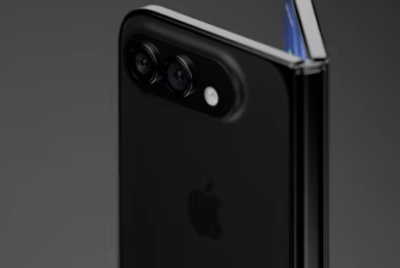
Apple iPhone Foldable 2027 Rumors: Inside Leaks on Design, Price and Samsung Rivalry
Apple plans to launch its first foldable iPhone in 2027, aiming to revolutionise the foldable smartphone market with advanced technology and premium design.

CUPERTINO, Calif. — Apple is accelerating development of its long-awaited foldable iPhone, with multiple supply chain sources and analysts now pointing to a 2027 launch for the company's first foldable smartphone, featuring a book-style design, advanced hinge technology and a premium price point that could reshape the entire foldable market.
After years of cautious observation while Samsung, Google and Chinese manufacturers dominated the category, Apple appears ready to enter the foldable arena with a device that addresses many of the durability, crease and software issues that have limited mainstream adoption. Recent reports from reliable analysts and parts suppliers suggest Apple has made significant progress on hinge reliability and display technology, positioning the device as a potential game-changer rather than a me-too product.
Ming-Chi Kuo, a well-known Apple analyst with a strong track record on supply chain predictions, recently updated his forecasts to indicate mass production could begin in late 2026 for a 2027 release. Other sources familiar with Apple's plans describe a device with a 7.8-inch inner display when unfolded and a 5.5-inch outer screen, offering a more compact folded form factor than many current competitors.
The rumored iPhone Foldable would represent one of Apple's most ambitious hardware projects since the original iPhone, combining the company's legendary engineering with lessons learned from years of iPad and MacBook hinge development. Apple has reportedly tested multiple prototypes, focusing heavily on eliminating visible creases and improving durability for everyday use.
Design and Feature Expectations
Supply chain reports suggest Apple is working with Samsung Display and other partners on ultra-thin glass and advanced polymer materials to minimize the screen crease that has plagued many foldables. The device is expected to feature a titanium frame similar to the iPhone 16 Pro models, with a sophisticated hinge mechanism that allows for a near-flat unfolded experience.
Software integration remains a major focus. Sources say Apple is developing a custom version of iOS optimized for the larger screen, potentially including new multitasking features, app continuity between folded and unfolded states, and enhanced Apple Pencil support. The device could also serve as a bridge between iPhone and iPad experiences, appealing to users who want both a phone and a mini-tablet in one device.
Camera expectations are high. Rumors point to a triple-lens system on the rear with upgraded sensors, potentially including the same 48-megapixel main camera found on current Pro models. The front-facing camera is expected to be housed in a Dynamic Island-style cutout on the outer display.
Battery life is another critical area. Foldables traditionally struggle with power consumption due to larger displays. Apple is reportedly exploring stacked battery technology and more efficient chips to ensure all-day usage even with the larger unfolded screen.
Pricing Strategy and Market Positioning
Pricing remains one of the biggest unknowns. Analysts expect the iPhone Foldable to launch between $1,799 and $2,199, positioning it as a clear premium product above the standard iPhone 17 Pro Max. This pricing would align with Apple's strategy of targeting early adopters and professionals willing to pay for innovative form factors.
The high price could limit initial volumes but would also help Apple maintain strong margins while refining the technology. Some reports suggest Apple may introduce a more affordable foldable model in 2028 or 2029 once manufacturing processes mature and costs decrease.
Competition will be fierce. Samsung has dominated the foldable market with multiple generations of Galaxy Z Fold and Flip devices, while Google's Pixel Fold and various Chinese brands have gained traction. Apple's entry could validate the category for mainstream consumers and accelerate overall adoption, much like the original iPhone did for smartphones.
Supply Chain and Manufacturing Details
Apple has reportedly increased orders for specialized hinge components and flexible OLED panels. South Korean and Taiwanese suppliers are ramping up production capacity in anticipation of Apple's demands. The company is also said to be working closely with its manufacturing partners in India and Vietnam to diversify production locations and reduce reliance on any single region.
Testing has reportedly included extreme durability trials, with prototypes surviving hundreds of thousands of fold cycles without degradation. Water and dust resistance equivalent to IP68 standards is also expected, addressing a common complaint with current foldable devices.
Analyst and Industry Perspectives
Analysts are divided on the potential impact. Some believe Apple's foldable could be a breakout hit that finally brings foldables into the mainstream, while others caution that the high price and remaining technical challenges could limit its appeal.
"Apple doesn't just enter categories — it redefines them," said Wedbush analyst Dan Ives. "If they solve the crease issue and deliver a seamless software experience, this could be the device that takes foldables from niche to normal."
However, some remain skeptical about near-term demand. "The foldable market is still relatively small," noted one analyst. "Apple will need to convince consumers that the added cost and complexity are worth it compared to traditional slab phones."
Consumer Expectations and Market Impact
Early leaks have already generated enormous excitement among Apple fans. Social media is filled with concept renders and speculation about how the device might look and function. Many users have expressed hope that Apple can deliver a foldable that feels premium and reliable enough for daily use.
The potential arrival of an iPhone Foldable could also impact other Apple products. Some analysts speculate it might eventually replace certain iPad models or create an entirely new category between phone and tablet.
For competitors, Apple's entry raises the stakes significantly. Samsung has already begun preparing next-generation foldables with improved hinges and under-display cameras, while Google and others are accelerating their own development roadmaps.
Timeline and Launch Expectations
Most credible reports point to a fall 2027 launch alongside the standard iPhone 19 series. Apple typically unveils new iPhones in September, and a foldable model could either debut alongside them or in a separate event to maximize attention.
Pre-launch marketing is expected to emphasize durability, seamless integration with the Apple ecosystem and productivity benefits. The company may also introduce new accessories specifically designed for the foldable form factor.
As development continues behind closed doors, the iPhone Foldable remains one of the most anticipated consumer electronics products on the horizon. Apple's reputation for perfecting technologies before bringing them to market suggests the final device could set a new standard for what foldable phones can be.
For consumers weighing whether to buy a current foldable or wait for Apple, the decision has become more complex. While waiting carries the usual risks of delays and changing specifications, Apple's track record suggests the wait could be worth it for those seeking a premium, polished experience.
The coming months will likely bring more concrete leaks and details as suppliers ramp up for production. For now, the iPhone Foldable remains one of tech's most compelling rumors — a product that could either redefine mobile computing or join the list of ambitious ideas that never quite reached their full potential. Given Apple's resources and attention to detail, expectations remain sky high.
© Copyright 2026 IBTimes AU. All rights reserved.
- Recommended For You