SK Hynix vs Samsung 2026: AI HBM Leader Edges Samsung in Best Stock Buy
Investors face a choice between Samsung's diversified stability and SK Hynix's pure AI growth as the memory-chip supercycle intensifies.
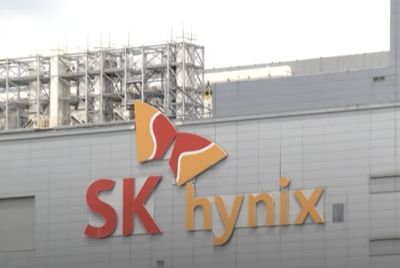
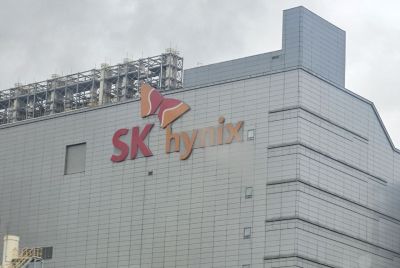
SEOUL — Investors weighing Samsung Electronics against SK Hynix for 2026 portfolios face a classic choice between diversified stability and pure-play AI growth as the global memory-chip supercycle intensifies. SK Hynix has surged ahead in high-bandwidth memory leadership and profitability, while Samsung leverages its vast resources to close the gap and offers broader exposure across semiconductors, smartphones and consumer electronics.
Both South Korean giants posted record first-quarter 2026 results driven by explosive demand for AI servers, but analysts give SK Hynix a slight edge for investors seeking maximum upside from the HBM boom. SK Hynix commands roughly 54 percent of the global HBM market and secured about 70 percent of NVIDIA's HBM4 orders for the Vera Rubin platform, with its entire 2026 chip supply already sold out in key categories. Samsung, traditionally the larger player in conventional DRAM and NAND, is pouring more than $73 billion into chip expansion this year to regain ground.
The memory supercycle shows no signs of slowing. Surging AI infrastructure spending has pushed DRAM and NAND prices higher, with some server memory categories up more than 60 percent since late 2025. SK Hynix reported operating margins near 72 percent in Q1, while Samsung's memory division approached similar levels despite broader business losses in foundry and system LSI.
SK Hynix: Pure AI Play with Explosive Momentum
SK Hynix stands out as the clearer beneficiary of the AI tailwind. Its focus on high-margin HBM products, critical for training and running large language models, has translated into record profits. The company's operating profit in recent quarters has outpaced Samsung's memory segment, with analysts forecasting continued dominance through 2027 as HBM4 shipments ramp.
Investors benefit from SK Hynix's tight alignment with NVIDIA and other hyperscalers. The firm's technological edge in stacking and thermal management gives it pricing power and near-term market share gains. Shares have responded with strong year-to-date gains, though valuations reflect the premium for leadership.
Risks remain. SK Hynix's heavy concentration in memory leaves it more exposed to any slowdown in AI spending. Geopolitical tensions around its China facilities and potential U.S. export restrictions on advanced chips could also weigh on operations.
Samsung: Diversified Giant with Catch-Up Potential
Samsung offers a more balanced risk-reward profile. While lagging in HBM, the company is accelerating investments and has already raised prices on key chips by up to 60 percent. Its foundry, mobile and consumer electronics businesses provide natural hedges against memory cyclicality.
The conglomerate's scale allows it to fund aggressive R&D and capacity expansion without the same financing constraints faced by pure-play competitors. Samsung's upcoming HBM4 products and planned early deliveries could narrow the gap with SK Hynix by late 2026. Analysts highlight its long-term ability to leverage synergies across the value chain.
However, near-term challenges persist. Labor union tensions at Samsung's key Pyeongtaek campus — which produces half of global DRAM and vital HBM — threaten production if strikes materialize in May and June. The company also carries higher exposure to cyclical consumer markets compared with SK Hynix.
Analyst Consensus and Valuation Comparison
Wall Street remains bullish on both. Samsung carries a Strong Buy consensus from 37 analysts with an average 12-month price target around KRW 274,000. SK Hynix earns similar enthusiasm, with many firms citing its HBM leadership as justification for a premium multiple.
Valuations reflect differing stories: SK Hynix trades at a higher forward price-to-earnings multiple justified by faster growth, while Samsung appears relatively cheaper on a diversified basis. Both offer attractive dividends relative to global tech peers, though SK Hynix's payout is more modest given reinvestment needs.
Currency movements also matter. The Korean won's fluctuations against the dollar can amplify or mute returns for international investors. South Korea's export-driven economy ties both stocks closely to global trade and tech spending.
Broader Market and Economic Context
The AI memory boom forms part of a larger semiconductor upcycle. Data-center buildouts by hyperscalers continue at record pace, with HBM demand outstripping supply through at least 2027. Traditional DRAM and NAND markets benefit indirectly as customers stockpile ahead of shortages.
South Korea's semiconductor sector, which both companies dominate, accounts for a massive portion of the KOSPI index. The iShares MSCI South Korea ETF provides convenient bundled exposure, with the pair comprising more than 25 percent of the fund.
Global risks include U.S.-China trade tensions, potential AI spending pauses and commodity price swings. On the positive side, any resolution in Middle East conflicts could ease energy costs and support broader economic growth.
Investment Recommendation for 2026
For growth-oriented investors chasing the purest AI memory exposure, SK Hynix edges out as the stronger 2026 pick. Its technological lead, sold-out capacity and sky-high margins position it to capture disproportionate upside from continued HBM demand.
Conservative or diversified investors may prefer Samsung for its scale, multiple business lines and potential to close the HBM gap. The stock offers a margin of safety through non-memory revenue streams and remains undervalued relative to growth prospects.
A balanced approach — owning both or using the MSCI South Korea ETF — mitigates single-company risk while capturing the sector tailwind. Dollar-cost averaging and monitoring quarterly results, especially HBM shipment updates and Samsung's labor situation, will be key.
Neither stock is without volatility. Memory cycles have historically been dramatic, and AI hype could moderate if economic conditions shift. Yet current fundamentals — tight supply, strong pricing and multi-year demand visibility — support an upbeat outlook for both through 2026 and into 2027.
As the AI infrastructure buildout accelerates, the Samsung-SK Hynix duel will remain one of the most watched battles in global tech. Investors who correctly time entry into the memory supercycle could see substantial returns, but thorough research and risk management remain essential in this fast-moving sector.
© Copyright 2026 IBTimes AU. All rights reserved.
- Recommended For You