Trump-Xi Beijing Summit Ends With Modest Trade Pledges but No Major Breakthroughs on Taiwan or Iran
Leaders agree on agricultural purchases and new trade dialogue, but core disputes remain.

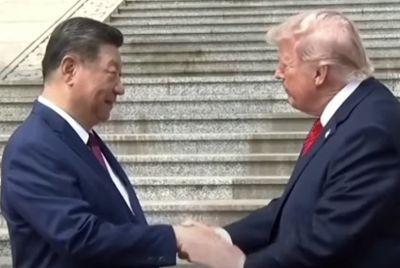
BEIJING — President Donald Trump and Chinese President Xi Jinping concluded two days of high-stakes talks in Beijing on Friday with modest agreements on agricultural purchases and new trade dialogue mechanisms, but failed to achieve significant progress on core disputes including Taiwan, technology restrictions and China's role in easing tensions over Iran.
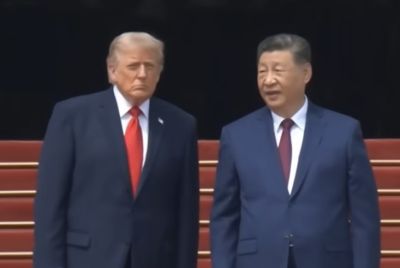
The summit, Trump's first visit to China since 2017, wrapped up after roughly four hours of formal discussions and side meetings at the Great Hall of the People. Both leaders described the talks as "productive" and "candid" in separate readouts, but analysts characterized the outcome as a tactical stabilization rather than a substantive reset in the world's most consequential bilateral relationship.
Trump, flanked by U.S. tech executives including Elon Musk, Tim Cook and Jensen Huang, secured commitments from China for increased purchases of American soybeans, energy products and Boeing aircraft. White House officials described the deals as "tangible wins" for American farmers and manufacturers, though the exact dollar figures were not immediately disclosed. The two sides also agreed to establish new bilateral boards on trade and investment to monitor implementation and resolve disputes — mechanisms reminiscent of previous attempts that often faltered.
Xi emphasized "mutual respect" and warned that differences over Taiwan could lead to conflict if not managed carefully. Chinese state media highlighted Xi's firm stance on sovereignty issues while portraying the meeting as a step toward stable relations. No breakthroughs were announced on U.S. arms sales to Taiwan or semiconductor export controls, two persistent flashpoints.
On Iran, Trump pressed China to use its influence to help reopen the Strait of Hormuz and support diplomatic efforts amid ongoing disruptions. Beijing offered symbolic language calling for calm but stopped short of concrete commitments, prioritizing its energy security interests as Iran's largest oil customer. U.S. officials described the discussions as "constructive" but acknowledged limited movement on the issue.
The presence of top American CEOs underscored the commercial dimension of the trip. Musk, Cook and Huang participated in side meetings focused on market access and supply chain stability. Tesla's Shanghai operations and Apple's manufacturing footprint in China give these executives direct stakes in any easing of tensions. No specific new deals involving their companies were announced, but sources indicated productive conversations on investment frameworks.
The atmosphere was notably more restrained than Trump's lavish 2017 state visit. No "state visit-plus" pageantry or major cultural spectacles were featured this time, reflecting cooler bilateral ties shaped by years of tariffs, technology competition and military posturing. Security around the event was tight, with significant portions of Beijing locked down.
Global markets reacted with cautious optimism. U.S. futures showed modest gains, while Asian indices found support on hopes for reduced uncertainty. Oil prices remained elevated due to ongoing Hormuz concerns but eased slightly on expectations of continued dialogue.
Domestic political reactions varied. Republican allies praised Trump for engaging directly with Xi and securing purchase commitments. Democratic critics called for a more multilateral approach and greater emphasis on human rights and strategic competition. In China, state media framed the summit as evidence of Beijing's global centrality and willingness to cooperate on equal terms.
The summit's modest deliverables align with lowered expectations set by both sides in advance. Analysts from Goldman Sachs and other institutions had predicted limited breakthroughs, focusing instead on tactical agreements and confidence-building measures. The creation of new trade and investment boards aims to provide structured follow-up mechanisms, though similar bodies in the past have produced mixed results.
For Trump, the trip offers optics of strong personal diplomacy and economic wins ahead of midterm elections. For Xi, hosting the first U.S. presidential visit in nearly a decade projects strength and stability during China's economic transition. Both leaders have met multiple times since Trump's return to office, establishing a working rapport built on transactional deal-making.
The two-day schedule included bilateral meetings, a welcoming banquet and limited cultural elements. Trump's delegation pushed for reciprocal economic deals, while Chinese counterparts stressed non-interference and mutual respect. No joint press conference was held, with each side releasing separate statements emphasizing their priorities.
Broader implications extend beyond the immediate outcomes. The summit sets the tone for U.S.-China relations through the remainder of Trump's term. A smoother-than-expected meeting could open doors for future cooperation on global issues, while unresolved tensions risk hardening positions on Taiwan, technology and trade.
As Trump departs Beijing, the focus shifts to implementation of agreed purchase commitments and the effectiveness of new dialogue mechanisms. Markets, businesses and allies will closely monitor whether this summit marks a genuine step toward managed competition or merely a temporary pause in escalating rivalry.
The Trump-Xi relationship has defined much of global politics in recent years. This Beijing meeting, though more restrained than previous encounters, carries significant weight for the international order. Incremental progress on trade and energy issues provides cautious optimism, but deep structural differences remain unresolved as the world's two largest economies continue navigating complex interdependence and strategic competition.
© Copyright 2026 IBTimes AU. All rights reserved.
- Recommended For You