5 Key Agendas in Trump-Xi Beijing Summit as Leaders Tackle Trade, Taiwan and Global Flashpoints
Exploring trade, security, and technology at the Trump-Xi summit in Beijing.

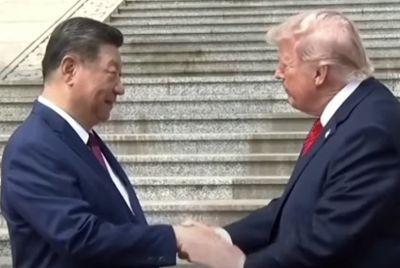
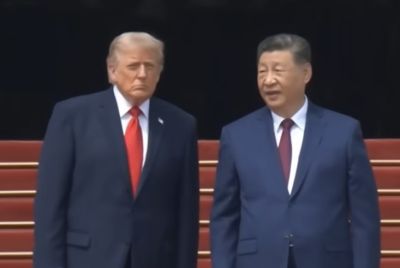
BEIJING — President Donald Trump and Chinese President Xi Jinping began their highly anticipated two-day summit Thursday in Beijing, focusing on five major agendas that could shape U.S.-China relations for years. The meeting, the first U.S. presidential visit to China since 2017, occurs against a backdrop of strategic competition, economic interdependence and urgent global crises.
1. Trade and Tariffs: Seeking Balance After Years of Tension Trade remains the cornerstone of discussions. Trump is pushing for increased Chinese purchases of American agricultural products, Boeing aircraft, energy exports and manufactured goods to reduce the bilateral trade deficit. Beijing is expected to announce several billion dollars in commitments, but analysts say these will fall short of past unfulfilled promises. The U.S. side wants meaningful progress on market access, intellectual property protections and reduction of industrial subsidies. In return, China seeks partial rollback of existing tariffs that still average 26-34% on many goods. Both leaders recognize that a full-blown trade war would harm global growth, but deep structural differences make comprehensive agreement unlikely in one summit.
2. Taiwan and Regional Security: Managing a Dangerous Flashpoint Taiwan is expected to feature prominently in private talks. China views the island as a core interest and wants the U.S. to reduce arms sales and military support. Trump's team sees Taiwan as leverage and a vital democratic partner. Any movement here carries enormous stakes for regional stability. Sources say the discussions will focus on maintaining the status quo rather than major policy shifts, with both sides agreeing to manage tensions to avoid accidental escalation in the Taiwan Strait.
3. Iran and Middle East Stability: Oil Flows and Geopolitical Influence The ongoing U.S.-Israel conflict with Iran has disrupted global energy markets, making this a top priority for Trump. With China as Iran's largest oil buyer, the U.S. is pressing Beijing to use its influence to help reopen the Strait of Hormuz and support diplomatic efforts. Xi is expected to call for calm and de-escalation but will resist being drawn too deeply into the conflict, prioritizing China's energy security. Progress on this agenda could help stabilize oil prices that have fueled inflation concerns in both countries.
4. Technology, AI and Critical Minerals: Competition with Guardrails Technology and supply chain issues form another crucial agenda. Discussions will cover export controls, rare earth minerals, semiconductor restrictions and artificial intelligence cooperation. Trump brought a delegation of top U.S. tech executives, signaling interest in commercial deals alongside government talks. China wants eased restrictions on advanced chips, while the U.S. seeks guarantees on fair competition and reduced technology theft risks. Both sides may agree to new dialogue mechanisms on AI safety and critical minerals supply stability.
5. Fentanyl, Economic Cooperation and People-to-People Ties The final major agenda includes cooperation on fentanyl precursors, climate issues and restoring broader bilateral exchanges. Trump has long criticized China's role in the U.S. opioid crisis and will seek stronger enforcement commitments. Economic forums and investment dialogues are also on the table, alongside easing restrictions on student visas and cultural exchanges that have declined in recent years. These "softer" issues offer opportunities for quick wins that can be highlighted in joint statements.
The summit opened with formal ceremonies and a working lunch at the Great Hall of the People. Trump described the relationship as "complex but full of tremendous potential," while Xi called for "mutual respect and win-win cooperation." Early readouts suggest a businesslike tone rather than the pageantry of Trump's 2017 visit. No major breakthroughs were announced after the first session, consistent with modest expectations.
Security around the event has been tight, reflecting both the importance and sensitivities involved. Parts of Beijing were locked down, and the welcome was formal but scaled back compared to previous summits. Trump's delegation includes senior officials and prominent CEOs, underscoring the blend of diplomacy and commerce.
Global markets watched closely for any signals on tariffs, supply chains and investment flows. U.S. stocks showed mixed reactions in overnight trading, while Asian indices found modest support on hopes for reduced tensions. Oil prices remained sensitive to any Iran-related developments from the talks.
For Trump, the summit offers a chance to project strength on the world stage and deliver economic wins ahead of midterm elections. For Xi, hosting the first U.S. presidential visit in nearly a decade allows China to demonstrate global centrality despite domestic economic challenges. Domestic politics shape both approaches: Trump needs visible results, while Xi seeks stability to focus on China's recovery.
The two-day schedule includes further bilateral meetings, possible business announcements and cultural exchanges. Analysts caution that deep structural issues like technology competition and geopolitical flashpoints will likely persist beyond this meeting. Incremental progress on trade purchases, fentanyl controls and critical minerals extensions appears most achievable.
Reactions from allies and observers have been measured. European leaders monitor impacts on global supply chains, while Asian nations watch closely for shifts on Taiwan and regional security. Emerging markets hope for de-escalation that could stabilize commodity prices and trade flows.
As talks continue into Thursday evening Beijing time, the world awaits joint statements or concrete announcements. The Trump-Xi relationship has defined much of global politics in recent years, and this Beijing summit carries significant weight for the international order. Whether the five agendas yield meaningful stabilization or simply manage tensions will shape the trajectory of U.S.-China relations for the remainder of Trump's term.
The meeting underscores the complex interdependence between the two superpowers. Despite rivalry, both recognize the enormous costs of unchecked confrontation. The outcomes from these five key agendas could determine whether the world's most important bilateral relationship moves toward managed competition or renewed friction in the coming years.
© Copyright 2026 IBTimes AU. All rights reserved.
- Recommended For You