Iran Threatens US Forces in Strait of Hormuz as Bernie Sanders Supporters Eye New Progressive Leader

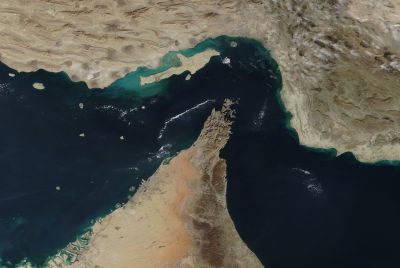
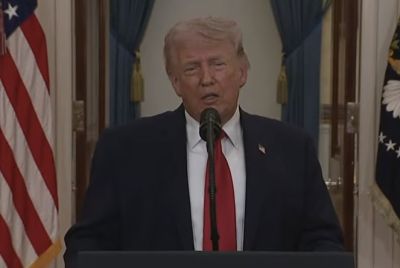
WASHINGTON — Iran issued fresh warnings Monday that it would attack U.S. forces entering the Strait of Hormuz after President Donald Trump announced a new American escort mission for stranded commercial ships, escalating tensions in the critical waterway even as a fragile ceasefire holds following weeks of conflict. At the same time, progressive activists aligned with Sen. Bernie Sanders are quietly discussing potential new national leaders to carry forward the movement as the 78-year-old Vermont senator steps back from frontline electoral battles ahead of the 2028 cycle.
Trump revealed "Project Freedom" on Sunday, saying U.S. naval assets would begin guiding "neutral and innocent" vessels trapped in the Gulf since the U.S.-Israeli war with Iran erupted in late February. The operation aims to address humanitarian concerns for thousands of seafarers facing dwindling supplies, but Tehran quickly denounced it as a ceasefire violation. Iranian military officials, including IRGC commanders, warned that any foreign armed forces — particularly American ones — approaching or entering the strait would be targeted.
A senior Iranian official told state media the strait "will not return to the pre-war state," while another threatened to turn the waterway into a "graveyard" for U.S. forces if provoked. Despite the rhetoric, limited commercial traffic has continued under Iranian oversight for vessels from "friendly" nations. U.S. Central Command reported no American ships were struck in recent incidents, though Iran claimed warning shots were fired at a U.S. warship that ignored instructions.
The Strait of Hormuz handles about 20 percent of global oil and LNG supplies. Iran's effective blockade and the U.S. counter-blockade have stranded roughly 2,000 vessels and disrupted billions in trade. Oil prices spiked earlier in the crisis but have moderated slightly amid diplomatic maneuvering. Trump emphasized the mission's humanitarian nature while warning that any interference would be met forcefully.
Regional analysts say the situation remains precarious. Gulf Arab states have quietly supported efforts to reopen the strait while avoiding direct confrontation. China and India, major importers, have urged de-escalation. The latest threats come as peace talks remain stalled, with Iran recently offering to reopen the waterway if the U.S. lifts its blockade — a proposal Washington called insufficient.
On the domestic political front, Sanders' influential network is turning its attention to the post-Bernie era. Our Revolution and other progressive groups that grew out of his presidential campaigns are evaluating new standard-bearers for the movement. While Sanders continues endorsing candidates in 2026 races, insiders say discussions have intensified around figures who could unify the left in future national contests.
Names frequently mentioned include Rep. Alexandria Ocasio-Cortez, New York City Mayor-elect Zohran Mamdani and other rising progressives who have embraced Sanders-style economic populism. Mamdani's recent victory in New York has energized the wing, with Sanders publicly praising him as a new Democratic leader focused on cost-of-living issues. Activists see these figures as potential bridges to younger voters disillusioned with establishment politics.
Sanders himself has not signaled retirement from public life but has focused more on legislative priorities and mentoring the next generation. His endorsements in 2026 races — including several dozen House and Senate challengers — continue shaping the Democratic primary landscape. Progressive groups are using these contests to build infrastructure and test messages around wealth taxes, universal health care and climate action.
The dual developments capture a moment of global tension and domestic political transition. In the Middle East, miscalculation in the Strait of Hormuz risks broader economic fallout and renewed conflict. In U.S. politics, the search for Sanders' successors reflects ongoing efforts to define the Democratic Party's direction heading into the next presidential cycle.
Maritime security firms report insurance premiums for the region remain extremely high. Shipping companies face difficult choices between paying alleged Iranian tolls — which the U.S. warns could trigger sanctions — and rerouting around Africa at significant extra cost. Seafarers' unions have appealed for safe corridors and crew welfare protections.
Back in Washington, progressive organizers say the energy from Sanders' campaigns has not dissipated. Instead, it is evolving as newer voices emerge. Groups like Our Revolution defend pragmatic endorsements while maintaining core principles against corporate influence. The coming months will test whether this energy can translate into sustained electoral power or remains fragmented.
As Monday's news cycle unfolded, the Iran situation and progressive leadership questions dominated discussions across cable news and social platforms. Both stories highlight larger themes of power, transition and competing visions for the future — one in the realm of geopolitics and energy security, the other in the battle for the soul of the American left.
The coming days will prove critical. Any escalation in the Strait of Hormuz could send shockwaves through global markets, while the progressive movement's ability to coalesce around new leaders may shape Democratic strategy for years ahead. For now, both situations remain fluid, with major implications for international stability and U.S. domestic politics.
© Copyright 2026 IBTimes AU. All rights reserved.
- Recommended For You